

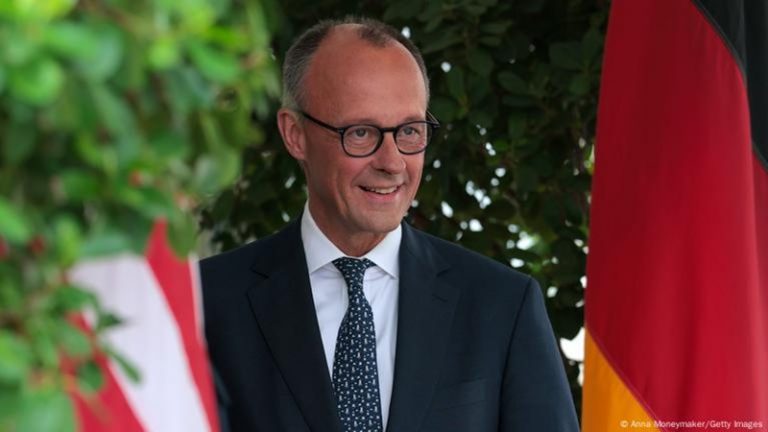
German Chancellor Friedrich Merz stated on Wednesday that Germany would have advised against the current course of action in the ongoing US-Israeli war against Iran if Berlin had been consulted beforehand.
In a government statement to the Bundestag (German parliament) ahead of an EU summit, Merz emphasized that Washington had not consulted Germany or deemed European assistance necessary. He reportedly said: “Ladies and gentlemen, we would have advised against taking this course of action in the way it has been taken.”
Merz reaffirmed Germany’s position of non-participation in the conflict, stating that Berlin would not join the war as long as it continues. He noted a lack of a “convincing plan” or shared strategy for bringing the operation to a swift and successful conclusion, while acknowledging shared long-term goals with the US and Israel—namely, ensuring Iran no longer poses a threat.
This reflects growing European concerns over the escalation, including potential impacts on energy supplies, regional stability, and transatlantic relations. Merz has previously distanced Germany from deeper involvement, stressing no NATO mandate exists for participation and ruling out actions like sending warships to secure routes such as the Strait of Hormuz.
Register for Tekedia Mini-MBA edition 20 (June 8 – Sept 5, 2026).
Register for Tekedia AI in Business Masterclass.
Join Tekedia Capital Syndicate and co-invest in great global startups.
Register for Tekedia AI Lab.
The comments come amid an active US-Israeli military campaign against Iran which appears to have begun earlier in March 2026, with no clear end in sight according to European leaders. Merz has also welcomed any signals from US President Donald Trump indicating readiness to wind down combat operations, potentially opening the door for diplomatic contributions from Europe once fighting ceases.
The European Union’s response to the ongoing US-Israeli war against Iran has been characterized by calls for de-escalation, diplomatic efforts to end the conflict, condemnation of escalatory actions particularly Iran’s retaliatory strikes, and a firm refusal to participate militarily.
The EU has emphasized that “this is not Europe’s war,” while expressing concern over impacts on energy security, global trade routes especially the Strait of Hormuz, and regional stability.
Following the start of US-Israeli strikes, the EU issued a statement on March 1 via High Representative Kaja Kallas, expressing “utmost concern” over developments in the Middle East. It called for “maximum restraint,” protection of civilians, and full respect for international law, including UN Charter principles and international humanitarian law.

The EU urged Iran to refrain from indiscriminate military strikes while reiterating long-standing demands for Iran to end its nuclear program, curb ballistic missiles, cease destabilizing activities, and stop repression at home. The EU and member states including through joint statements with Gulf Cooperation Council countries on March 5 strongly condemned Iran’s retaliatory attacks on GCC states and other regional targets as “unjustifiable,” “indiscriminate,” and threats to global security. These targeted civilian infrastructure like energy facilities.
Diplomatic Focus and Calls to End the War
By mid-March, the EU shifted toward actively pushing for a resolution. On March 17, Kallas stated that the war must end, describing it as easier to start than stop and prone to getting out of hand. She highlighted consultations with Middle Eastern countries to develop proposals allowing all parties (US, Israel, Iran) to “save face” and exit the conflict.
The EU has offered diplomatic assistance to bring parties together and stop the war, while keeping the door open for potential involvement in securing navigation only as part of a broader diplomatic solution and not military escalation. The EU has rejected US calls to join operations, such as sending warships to secure the Strait of Hormuz.

Kallas noted “no appetite” among EU foreign ministers to expand existing naval missions like ASPIDES in the Red Sea into the Gulf. Leaders like German Chancellor Friedrich Merz have reiterated non-participation as long as the war continues, citing no NATO mandate, lack of consultation by the US, absence of a convincing endgame plan, and risks of endless escalation.
Merz stated Germany would have advised against the current course if consulted. Responses have been described as “disjointed,” with divisions over military intervention. Some states have been more critical of the US-Israeli actions as unilateral or unlawful, while others have aligned somewhat with shared goals like preventing Iranian nuclear threats but stressed restraint.
The EU Commission, led by Ursula von der Leyen, has focused on mitigating fallout: supporting evacuations, monitoring Red Sea/Hormuz routes, enhancing security cooperation, and preparing for energy price surges and potential migrant flows. EU leaders are addressing the conflict at a summit in Brussels, alongside Ukraine-related issues.
Topics include energy security, economic impacts from disrupted oil and gas flows, and diplomatic contributions once fighting ceases. Kallas has linked the need for swift resolution to broader priorities, noting Russia’s potential gains from prolonged chaos.
The EU prioritizes diplomacy over military engagement, condemns escalation especially Iran’s responses, shares long-term objectives with the US and Israel; neutralizing Iranian threats, but criticizes the lack of strategy and consultation. This reflects Europe’s vulnerability to energy shocks and desire to avoid deeper entanglement in what many view as a US-led conflict.