

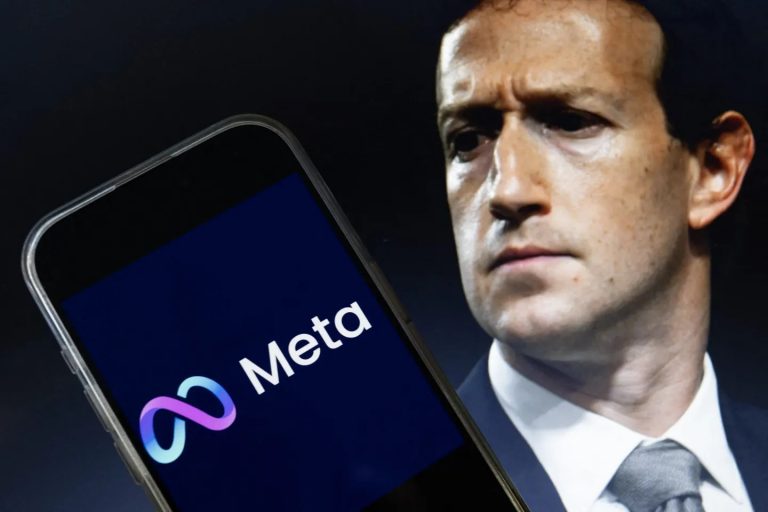
Meta CEO Mark Zuckerberg found himself in an ironic predicament last week when remarks he made during an internal meeting about his frustration over company leaks were, once again, leaked to the press.
According to a report by 404 Media, Zuckerberg expressed his exasperation over the continuous stream of confidential company information reaching the public, stating, “We try to be really open, and then everything I say leaks. It sucks.”
The leaked footage reportedly captures Zuckerberg addressing employees during an “all-hands” meeting on Thursday, where he lamented that he had to be increasingly cautious about what he says internally. His words, however, did not stay internal for long. Within hours, 404 Media had obtained and published details from the meeting, exposing the CEO’s grievances about the very problem he was discussing.
Register for Tekedia Mini-MBA edition 20 (June 8 – Sept 5, 2026).
Register for Tekedia AI in Business Masterclass.
Join Tekedia Capital Syndicate and co-invest in great global startups.
Register for Tekedia AI Lab.
Meta has long struggled with internal leaks, a problem that has worsened in recent months as tensions rise within the company. The latest leak comes at a particularly sensitive time for Zuckerberg, who has been navigating efforts to rebuild Meta’s relationship with former U.S. President Donald Trump. The company recently agreed to pay a $25 million settlement following a lawsuit filed by Trump, who had been suspended from Meta’s platforms after the January 6, 2021, Capitol riot.
Zuckerberg’s efforts to mend ties with Trump have reportedly sparked internal debates, further fueling leaks from disgruntled employees. Some staffers see the shift as a pragmatic business decision, while others view it as a betrayal of Meta’s previous stance on political misinformation and election integrity.
In response to the persistent leaks, Meta’s leadership has escalated its crackdown on employees caught sharing internal information with the press. Chief Information Security Officer Guy Rosen issued a stern warning following the latest breach, making it clear that Meta would not tolerate leaks.

“We take leaks seriously and will take action,” Rosen wrote in an internal memo, which was also leaked to the media. “When information is stolen or leaked, there are repercussions beyond the immediate security impact. Our teams become demoralized, and we all waste time that is better spent working on our products and toward our goals and mission.”
Rosen also confirmed that Meta had recently fired several employees for leaking confidential company information.
“We recently terminated relationships with employees who leaked confidential company information inappropriately and exfiltrated sensitive documents,” he stated.

The company is reportedly increasing surveillance and security measures to curb future leaks, though its effectiveness remains to be seen.
Zuckerberg Adapts Meta’s Meetings
Zuckerberg, frustrated by the continuous leaks, revealed that Meta has made changes to its internal communications, particularly during the company’s “all-hands” meetings. The Q&A section, once a hallmark of Meta’s internal transparency, has been modified to limit potential leak points.
“I want to be able to talk about stuff openly,” Zuckerberg said in the leaked meeting audio. “But I am also trying to, like, well, we’re trying to build stuff and create value in the world, not destroy value by talking about stuff that inevitably leaks.”
The persistence of leaks despite these adjustments raises questions about employee trust in Meta’s leadership. The company’s efforts to tighten its grip on internal communication may further alienate workers, particularly as concerns about workplace culture, political affiliations, and content moderation policies continue to simmer.
Leaks: A Global Tech Trend
Meta’s struggle with leaks is part of a broader trend of internal dissent within major tech companies. Employees at Silicon Valley giants like Google, Amazon, and Apple have increasingly spoken out—sometimes anonymously—against company policies, executive decisions, and ethical concerns.
For Meta, the issue is compounded by the company’s turbulent past with content moderation, political controversies, and its shifting corporate strategy. The firm’s decision to reinstate Trump on its platforms, coupled with its legal settlement, has only deepened the ideological divide among its workforce.
Additionally, Meta has been dealing with mounting criticism over its workplace policies, including recent employee protests over the removal of tampons from men’s restrooms—a seemingly minor issue that nonetheless ignited debates over inclusivity and company culture.
As Meta moves forward, it faces a fundamental dilemma: How does it maintain internal transparency while preventing damaging leaks? Zuckerberg has long championed an open internal culture, but his frustration suggests that the reality is proving unsustainable.
For now, Meta’s response appears to be increased surveillance, stricter policies, and swift terminations for leakers. But whether these measures will stop employees from speaking out—or simply drive them to find more discreet ways to leak—remains uncertain.
One thing is clear: The irony of Zuckerberg’s complaints about leaks being immediately leaked underscores just how difficult it will be for Meta to regain control of its internal communications. The battle between company secrecy and employee dissent is far from over.