

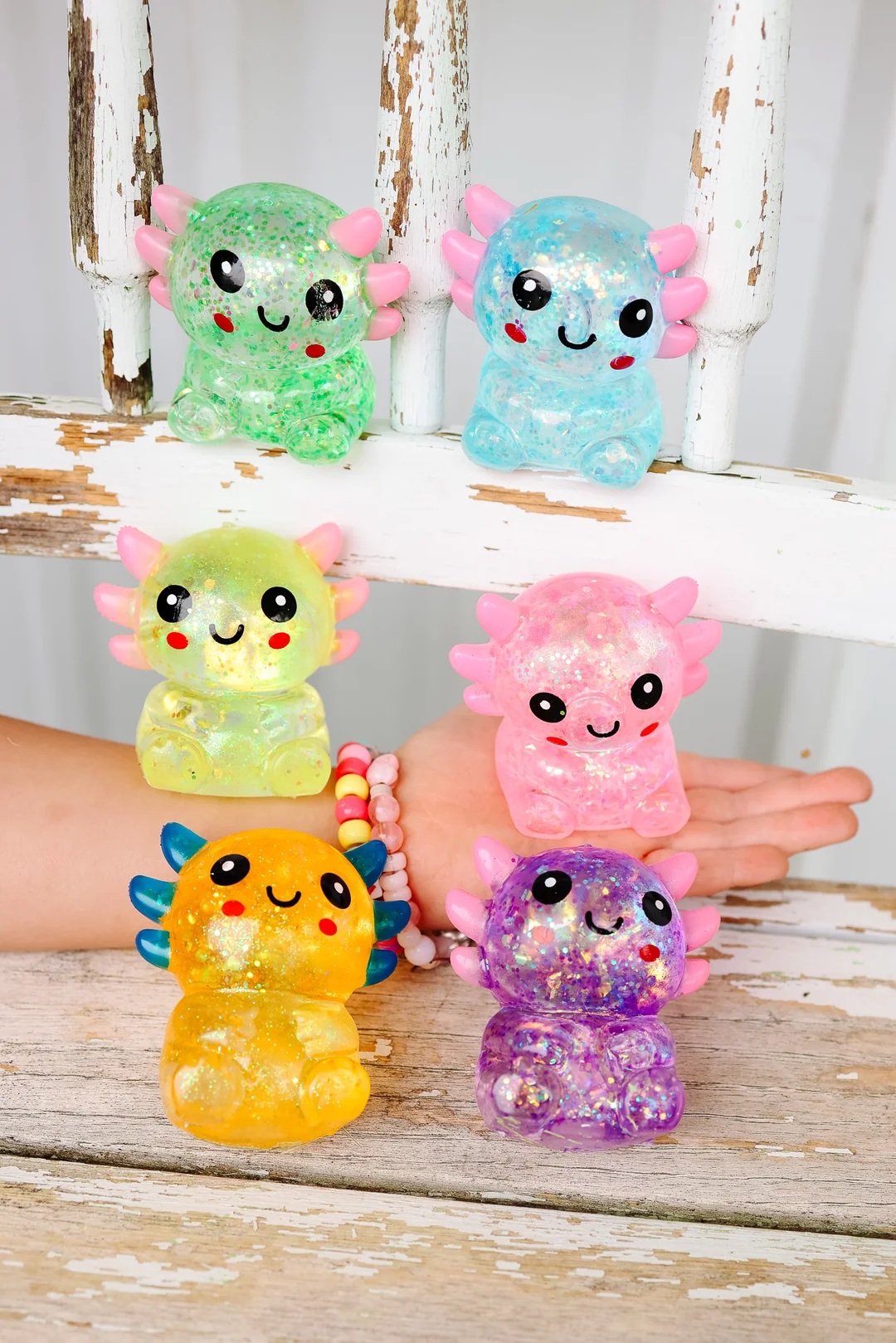
Squishy toys are soft, colorful and endlessly squeezable, designed to give children a tactile distraction that can be calming, entertaining and strangely addictive. But as their popularity has exploded, so too has a darker problem: some squishy toys can become dangerous when they rupture, overheat or break apart.
Reports this year of children suffering burns and potential toxic exposure have transformed what looked like an innocent playground trend into a consumer-safety concern.
Parents who bought the toys for entertainment or sensory stimulation have instead found themselves dealing with injuries and questions about what exactly is inside the products their children are handling.
Register for the next Tekedia Mini-MBA.
Register for Tekedia AI in Business Masterclass.
Join Tekedia Capital Syndicate and co-invest in great global startups.
The central problem is that not every squishy toy is made the same way. Products sold under the same broad category can contain different materials, fillings and chemical components.
Some are designed to expand, glow, stretch or change shape, creating additional opportunities for the outer casing to fail. When a toy splits open, its contents can come into contact with a child’s skin, eyes or mouth.
Heat can make the situation more serious. A toy exposed to high temperatures or subjected to repeated pressure may rupture unexpectedly. For a child, that can turn an ordinary moment of play into an emergency.

Parents interviewed about the phenomenon have described the unsettling speed with which these toys can spread. One child brings a popular squishy to school, another wants one, and soon an entire classroom may be carrying them.
Social media accelerates that cycle. A toy can move from an obscure product to a must-have item almost overnight, long before parents or regulators have enough information to evaluate its risks. That creates a difficult challenge for doctors and regulators.
Medical professionals are primarily concerned with treating injuries and identifying possible exposures, while consumer-safety authorities must determine whether particular products violate safety standards or require recalls.

The distinction matters because a dangerous incident involving one product does not necessarily mean every squishy toy presents the same risk.
For parents, that nuance can be difficult to navigate. The safest approach is to examine the product before giving it to a child. Parents should check packaging for age recommendations, manufacturer information and safety warnings.
Damaged toys should be discarded rather than repaired and returned to play. Children should also be discouraged from biting, cutting or deliberately puncturing squishy toys. Particular caution is warranted when a toy contains an unidentified liquid, gel or powder.
If a product ruptures, children should not touch or taste the spilled material. Parents should wash exposed skin and seek medical advice if a child experiences burning, irritation, breathing difficulties or other concerning symptoms.
The broader lesson extends beyond squishies. Children’s products can become viral commodities faster than families can investigate their safety. A toy’s popularity, attractive packaging or presence on a major marketplace does not automatically establish that it is safe for every child or circumstance.
Squishy mania is therefore more than a story about one fashionable toy. It is a reminder that consumer safety has to keep pace with internet-driven trends. When a product becomes ubiquitous among children almost overnight, regulators, manufacturers, retailers and parents all face the same responsibility.