


Understanding modern political elections requires a look at how voting systems, technology, and public participation intersect. Across the globe, democratic frameworks rely on complex processes to translate citizen choices into governing authority. From local council seats to national leadership, every election relies on structured rules, digital tools, and active voter engagement.
Modern Campaign Strategies and Digital Outreach
Political campaigns no longer rely solely on door-to-door canvassing or television advertisements to reach voters. Digital infrastructure now forms the backbone of modern political messaging and voter contact initiatives. Campaigns leverage granular data analytics to identify key demographics and deliver tailored messaging across online networks.
Direct communication has shifted toward mobile technology to keep supporters informed and engaged. Utilizing a texting platform for political campaigns allows candidate teams to send rapid updates, coordinate local volunteer efforts, and drive grassroots fundraising efforts. This direct channel creates instant touchpoints between campaign headquarters and individual voters.
Digital communication strategies help campaigns maintain momentum during fast-paced election cycles. Fast outreach ensures that campaign teams can respond quickly to breaking news and key political developments.
The Role of Data Analytics in Voter Targeting
Data collection has transformed how political strategists map out their paths to victory. Modern campaigns gather public records, consumer habits, and online engagement metrics to build detailed voter profiles.
Strategists use this information to direct limited resources where they will have the highest impact:
- Identifying undecided voters who require targeted persuasive messaging
- Pinpointing reliable supporters to maximize election day turnout
- Mapping out key geographic districts that could flip the overall election outcome
- Tailoring policy discussions to match the primary concerns of specific neighborhoods
Precise targeting ensures that campaign budgets are spent efficiently rather than on broad, untargeted outreach. This analytical approach drives decisions on everything from event locations to digital ad placements.
Voter Identification and Polling Place Security
Securing the integrity of the voting process remains a central focus for election administrators. Standardized voter verification protocols help ensure that every cast ballot complies with state and national regulations.
Requirements at the ballot box have steadily expanded across many regions. A study analyzing voter experiences indicated that 85% of in-person voters presented valid identification before casting a ballot. This reflects a clear increase compared to election cycles from a decade ago.
Implementing clear identification rules aims to build public trust in election outcomes. Local officials balance these security steps with efforts to ensure legal voters face no unnecessary barriers.
Shifting Demographics and Electorate Behavior
Changing population dynamics continuously reshape the political terrain and alter winning campaign formulas. Younger generations are expanding their footprint within the active voting bloc every year.
An analysis of campaign strategy trends pointed out that Gen Z and Millennials will make up a significantly larger share of the active electorate. This generational shift forces political organizations to update their policy focus and communication channels.
Younger voters often prioritize different societal issues than older cohorts, influencing party platforms. Adapting to these demographic changes is vital for any long-term political movement.
Campaign Finance and Advertising Budgets
Running a competitive political campaign requires substantial financial backing to fund staff, travel, and media buys. Advertising consumes the largest portion of most campaign budgets, with digital placements taking an ever-growing share.
Timing these financial investments is critical to maximizing voter influence. Industry research tracking digital advertising spending revealed that 48% of digital ad budgets were used during the final 30 days before Election Day. Nearly half of those late-stage funds were concentrated within the final 10 days.
This heavy end-of-cycle spending targets voters when they are most focused on making their final decisions. Capitalizing on late momentum can often make the difference in close contests.
Youth Voting Preferences and Methods
Younger citizens participate in elections using a wide variety of voting channels depending on local access laws. Understanding these preferences helps civic groups design better voting awareness programs.
An investigation into youth voting patterns showed that 37% of young voters cast their ballots in person on Election Day. Meanwhile, 25% voted early in person, 28% submitted mail-in ballots, and 10% utilized designated drop boxes.
These figures demonstrate that young voters take advantage of flexible voting infrastructure when it is available. Tailoring outreach to these distinct methods helps boost turnout among younger demographics.
Voter Turnout Versus Persuasion Dynamics
Campaign strategists frequently debate whether to focus resources on persuading undecided voters or mobilizing existing supporters. While changing minds is valuable, securing high voter attendance often determines the final result.
A report on campaign strategy noted that while persuasion remains a factor, the majority of modern elections are ultimately decided by voter turnout. Getting known supporters to actually submit their ballots often yields better results than attempting to convert opposing partisans.
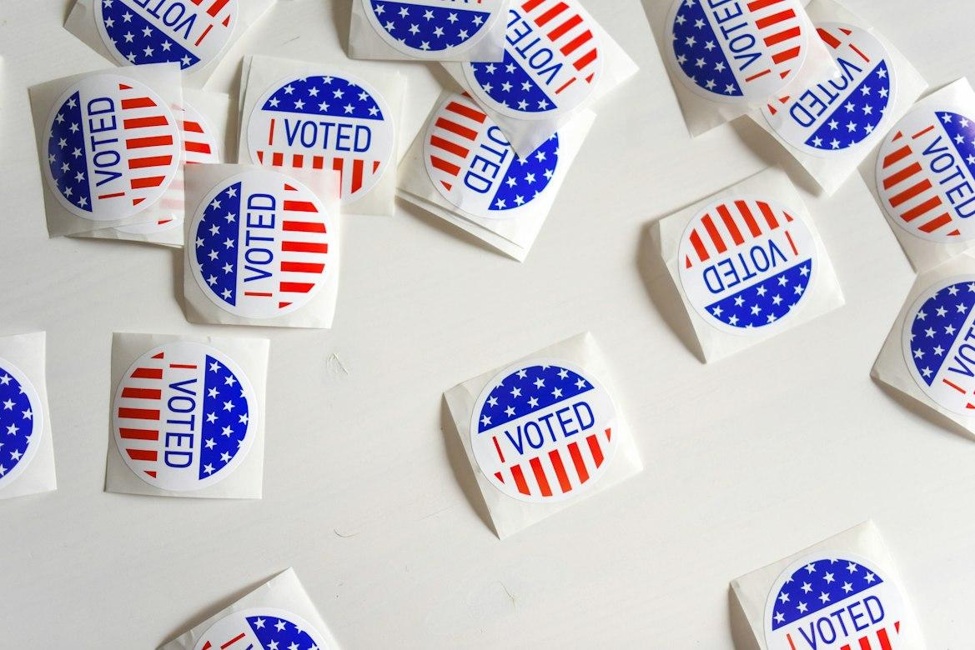
The mechanics of modern elections rely on a balance of established democratic rules, evolving technology, and changing voter habits. As campaigns adopt new digital outreach tools and analytical methods, the core objective remains unchanged: reaching citizens and encouraging them to exercise their right to vote.