

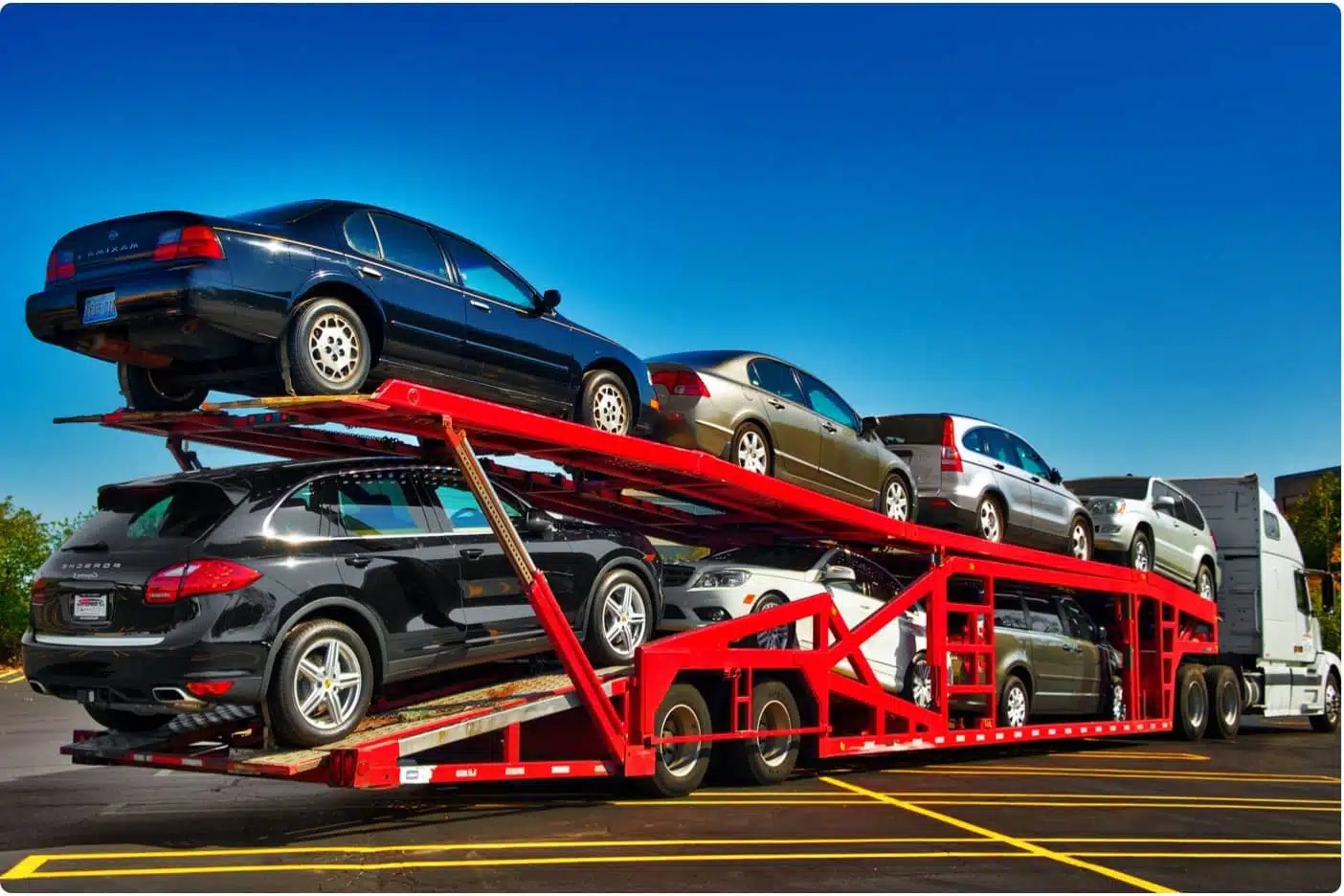
Prices of car transport services are not constant throughout the year. Seasonal demand primarily drives these price adjustments. Knowing the seasonal influences on car shipping rates can prepare both businesses and individuals to plan for better value and fewer surprises.
Seasonal Trends in Car Transport
There are realistic trends in car shipping every year. During certain months, the demand for vehicle transport increases, leading to a higher need for shipping services. During the summer, families often relocate, and it is the peak season for auto shipping. It is based on these seasons primarily that decide how much to ship a car from Florida to California. Furthermore, snowbirds usually move their cars south before winter and back north when the temperatures rise. The seasonal nature of these movements produces highs and lows of demand for transport costs throughout the region.
Impact of High Demand Periods
Carriers have more work on their hands when demand surges. When there are more requests for shipment than there are spots on trucks, prices increase. Consequently, those who are shipping cars in peak seasons tend to pay a higher price than during low-season periods. The higher the demand, the longer it takes for one carrier to fill up quickly. Scheduling shipments beforehand to stay clear of peak seasons could minimize the risk of bloated costs and ensure timely deliveries.
Winter Challenges and Pricing
If summer is the busiest time for car transporters, then winter is completely another game altogether. Carrier availability can be stretched further when inclement weather, frigid road conditions, and limited daylight hours slow transport operations. Some routes are becoming increasingly risky or impossible to transport on, and this creates a price adjustment to cover the increased risk and risk of delay. This means during these months, there are typically fewer carriers willing to move, and that will increase the overall costs for anyone who has to ship their vehicle.
Summer Surges and Their Influence
Various events from the summer usually have the greatest demand for car shipping. Families move, college students move, and dealerships prepare for new inventory. This surge in demand leads to a higher volume of vehicles requiring transportation, creating a competitive market for carriers to reserve slots. As this becomes more common, demand for these services increases, rates go up, and available slots get filled up quickly.
Regional Variations Due to Climate
Climate allows for seasonal demand to cause distinct impacts in different regions. As winter approaches, we see a surge in inquiries about car shipping services from residents in southern states who want to ship their cars north to avoid harsh conditions like snow and ice. In contrast, spring brings a comeback as things warm up, and many need a ride northward. This behavior creates temporary local shortages or oversupplies of availability, causing rates to rise and fall within a short time frame.
Seasons Affecting Supply Chain Characteristics
Seasonality impacts stable demand on the supply side. Carriers need to adapt their activities to the weather, street conditions, and customer requirements. As one example, hurricanes or snowstorms disrupt routes, resulting in route delays and short-term price spikes. Challenging seasons may also lead to increased costs for carriers on fuel, maintenance, or insurance. These additional expenses translate into higher costs, which, in the end, customers inevitably pay.
Economic Factors and Seasonal Pricing
The broader economy either magnifies or dampens the effects of seasonal pricing. Carrier costs may be higher during peak times due to inflation, fuel costs, and labor shortages. Combine these economic factors with strong seasonal demand, and car shipping prices can soar quickly. Conversely, weaker economic times might dampen demand, even in peak seasons, resulting in steadier prices. While seasonal signals help those planning to ship vehicles, they also need to watch broader economic signals.
Ways of Dealing With Price Seasonality
There are ways to preemptively mitigate the impact of seasonal demand on pricing, but it all comes down to early planning. Reserving one week or more ahead of peak periods is far more effective, allowing for the best rates and preferred scheduling for car transport. Being flexible with pickup and delivery dates could be helpful as well, as carriers sometimes offer lower rates for less busy days. Accessing many different quotes and understanding market dynamics provides shippers with a sense of fair market pricing.
Conclusion
Auto transport rates are influenced by normal seasonal trends along with the broader economy. Understanding how these factors interact can help you and the organization. These few key strategies can get you the best rates any time of the year, even during peak season or high demand. However, with the right amount of planning ahead of time, you can easily overcome the seasonal price changes and ensure that the process of shipping your car happens without any hassle and at a great value for your money.