

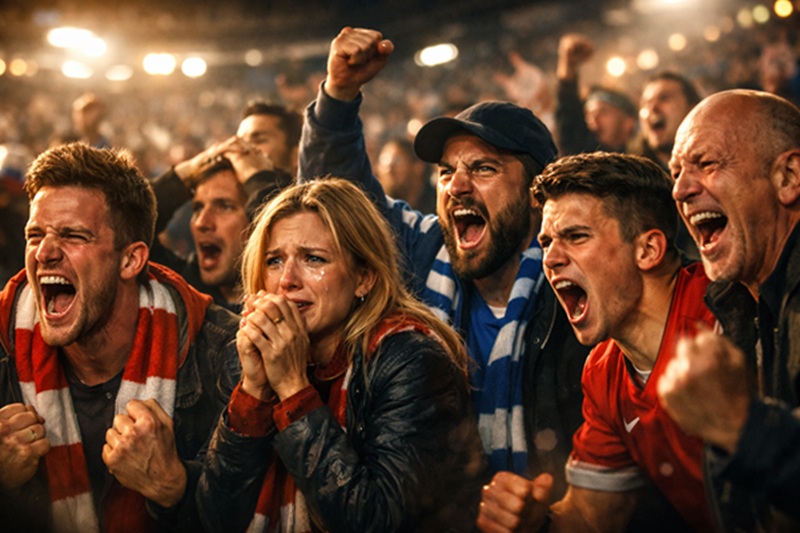
Football is often described as more than just a game, and nowhere is this more evident than in the culture of its fans. Across continents, football supporters form communities that go far beyond simply watching matches. They create traditions, develop shared identities, and express deep emotional connections to their teams. This culture has evolved over decades, shaping not only the atmosphere in stadiums but also the global perception of the sport itself.
Modern football fandom extends into many aspects of everyday life. Supporters follow team news, analyze tactics, and engage in discussions before and after matches. In this broader ecosystem, some fans also explore sports betting as an additional way to interact with the game, using their knowledge for predictions and deeper analysis. At the same time, interest in digital entertainment continues to grow, with many users turning to platforms like parimatch casino, which combine elements of gaming and interactivity. For many, these activities remain complementary and are approached as forms of entertainment rather than a central focus of their support.
The Roots of Fan Identity
At the heart of football fan culture lies identity. Supporting a club is often linked to geography, family traditions, or personal experiences. Many fans inherit their allegiance from parents or local communities, creating a sense of continuity across generations.
This identity is not superficial. It becomes part of how individuals see themselves and how they relate to others. Wearing club colors, attending matches, and participating in chants are all expressions of belonging. For many, being a fan is not a casual interest but a lifelong commitment.
Rituals and Traditions
Football fans are known for their rituals, which vary widely depending on the club and region. From pre-match gatherings to specific chants and songs, these traditions create a unique atmosphere that distinguishes football from other sports.
Stadiums become spaces where emotions are amplified. The collective energy of thousands of supporters singing in unison can influence the mood of a match and even impact player performance. These rituals are not random; they are carefully preserved and passed down, reinforcing a sense of unity.
The Philosophy of Loyalty
One of the defining characteristics of football fan culture is loyalty. Unlike many other forms of entertainment, where preferences may change frequently, football fans tend to remain committed to their teams regardless of success or failure.
This loyalty reflects a deeper philosophy. Supporting a team is not only about celebrating victories but also about standing by it during difficult times. It represents resilience, patience, and emotional investment. For many fans, this unwavering support is a source of pride.
Community and Belonging
Football fandom creates strong communities. Whether in local neighborhoods or online platforms, fans connect with others who share the same passion. These communities provide a sense of belonging and mutual understanding.
Match days often serve as social events where people gather to watch games, discuss strategies, and share experiences. This collective aspect of fandom strengthens relationships and fosters a sense of unity that extends beyond the sport itself.
Expression and Creativity
Fan culture is also a form of creative expression. Supporters design banners, choreograph displays, and compose songs that reflect their identity and values. These creative efforts add color and vibrancy to the game.
In many cases, fan groups organize large-scale visual displays in stadiums, turning matches into cultural events. This creativity demonstrates that football is not just about competition but also about artistic and emotional expression.
The Role of Modern Technology
Technology has transformed how fans engage with football. Social media platforms allow supporters to connect instantly, share opinions, and access real-time updates. This has expanded fan culture beyond physical spaces, creating global communities.
Fans can now follow their teams from anywhere in the world, participate in discussions, and engage with content that deepens their understanding of the game. This digital dimension complements traditional forms of support, making fandom more accessible and interactive.
Diversity Within Fan Culture
Football fan culture is incredibly diverse. Different regions have distinct styles of support, influenced by cultural, social, and historical factors. From the passionate ultras in Europe to the vibrant supporter groups in South America, each culture brings its own flavor to the game.
This diversity enriches football, making it a truly global phenomenon. Despite differences, all fans share a common passion that unites them across borders.
Challenges and Evolution
Like any cultural phenomenon, football fandom continues to evolve. Changes in the sport, such as commercialization and globalization, have influenced how fans interact with their teams.
While some traditional aspects may shift over time, the core values of passion, loyalty, and community remain strong. Fans adapt to new realities while preserving the essence of what makes football culture unique.
Conclusion
Football fan culture is a powerful and multifaceted aspect of the sport. It is built on identity, tradition, loyalty, and a shared sense of belonging. Fans are not just spectators; they are active participants who shape the atmosphere and meaning of the game.
As football continues to grow globally, its fan culture will remain a vital force, connecting people and creating unforgettable experiences. Whether in stadiums or online, the passion of football supporters ensures that the sport remains more than just a game—it becomes a way of life.