

Antoine Semenyo Racially Abused at Anfield in Premier League Opener

Quote from Alex Bobby on August 16, 2025, 5:02 AM
‘Totally Unacceptable’ – Antoine Semenyo Reports Racist Abuse During Premier League Opener
The 2024/25 Premier League season began with an ugly reminder of football’s persistent racism problem when Bournemouth forward Antoine Semenyo was subjected to alleged racist abuse from a member of the crowd at Anfield.
The incident occurred during Bournemouth’s opener against reigning champions Liverpool, a match that eventually finished 4-2 to the hosts. Despite the distressing events, Semenyo responded on the pitch with remarkable professionalism — scoring twice in 12 second-half minutes to briefly level the match before Liverpool’s late surge sealed victory.
The Incident at Anfield
Referee Anthony Taylor halted play in the 29th minute as Liverpool prepared to take a corner. After speaking to both managers and calling over captains Virgil van Dijk and Adam Smith, it emerged that Semenyo had reported racial abuse from the stands.
The game paused for four minutes while officials followed the Premier League’s on-field anti-discrimination protocol. Anfield’s public address system did not address the incident immediately, but an anti-discrimination message was later read to the crowd at half-time.
Bournemouth captain Adam Smith expressed disbelief and anger in a post-match interview with Sky Sports.
“Totally unacceptable,” Smith said. “Kind of in shock it happened in this day and age. I don’t know how Ant has carried on playing and come up with these goals. He’s a little bit down — something needs to be done. Taking a knee has taken no effect.”
Smith revealed he asked the referee to remove the alleged offender immediately, but was told that police procedures had to be followed. “The Liverpool players were very supportive to Ant and the rest of the team. It was handled in the right way, but I’m just so angry,” he added.
Statements From Authorities and Clubs
The Football Association released a statement shortly after the match, pledging to work with all relevant parties to investigate the allegation.
“Incidents of this nature have no place in our game, and we will work closely with the match officials, the clubs and the relevant authorities to establish the facts and ensure the appropriate action is taken,” the FA said.
Liverpool Football Club also issued a firm condemnation of racism and discrimination, confirming their cooperation with the ongoing police investigation:
“We condemn racism and discrimination in all forms, it has no place in society or football,” the club stated.
Liverpool head coach Arne Slot echoed this sentiment, saying:
“We don’t want this in football, we don’t want this happening in stadiums, especially not at Anfield. It takes the shine off it a bit because our fans were amazing, especially with the tributes to Diogo.”
The Premier League also reaffirmed its anti-discrimination stance:
“Racism has no place in our game, or anywhere in society. We will continue to work with stakeholders and authorities to ensure our stadiums are an inclusive and welcoming environment for all.”
Solidarity From Anti-Racism Campaigners
Anti-discrimination group Kick It Out said it “stands in solidarity” with Semenyo, praising his courage for reporting the abuse in the heat of a competitive match and then delivering a stellar performance.
“This is a stark reminder of an ugly reality: black players are facing this every week,” the organisation stated. “We will keep pushing to kick this disgusting behaviour out of the game through punishments, accountability and education, but football still has a long way to go.”
Kick It Out also credited referee Anthony Taylor and his team for acting quickly and decisively.
A Pattern of Racist Incidents
The abuse of Semenyo is not an isolated case. Just two days earlier, Tottenham’s Mathys Tel was subjected to racist messages on social media after missing a penalty in the Super Cup defeat to Paris Saint-Germain. England defender Jess Carter was also targeted during Euro 2025 last month.
High-profile cases in recent years have underscored the scale of the problem. Marcus Rashford, Jadon Sancho, and Bukayo Saka all suffered racist abuse online after England’s Euro 2020 final defeat to Italy. Despite campaigns, education programmes, and symbolic gestures like taking the knee, the frequency of such incidents suggests deeper cultural and systemic issues remain unresolved.
Calls for Stronger Action
Smith’s post-match comments reflect a broader frustration among players: gestures alone are not enough. Calls for swifter, harsher sanctions against perpetrators — including lifetime stadium bans and criminal prosecution — are growing louder.
The Premier League’s three-step anti-discrimination protocol allows referees to pause matches, suspend play, or abandon them entirely if discriminatory abuse occurs. But critics argue that unless offenders face tangible consequences beyond removal from the ground, the deterrent effect will remain limited.
Semenyo’s Response on the Pitch
Despite the distressing events of the first half, Semenyo’s performance after the incident was remarkable. His two quick goals brought Bournemouth back into contention and showed a mental resilience that teammates and supporters alike lauded.
Smith described his teammate’s composure as “the type of guy he is” — someone who refused to let the abuse dictate his reaction, instead focusing on the game. “Fair play to Ant,” Smith said. “I’d have gone straight over there [to confront the abuser], but he carried on.”
A Problem Football Cannot Ignore
While the police investigation continues, the incident at Anfield reinforces a sobering truth: racism remains embedded in certain sections of football culture. The visibility of the Premier League means such incidents are not just local scandals but global broadcasts of an ongoing societal failing.
Authorities, clubs, and governing bodies can issue statements, but meaningful progress requires sustained enforcement, robust education, and a cultural shift among fans. The message from players, campaigners, and responsible supporters is clear — racist abuse is “totally unacceptable,” and the game must be unrelenting in stamping it out.
Conclusion:
Antoine Semenyo’s experience at Anfield should serve as a catalyst for stronger, faster action against racism in football. His ability to rise above the abuse and excel in the match is admirable, but no player should have to demonstrate such resilience in the face of hatred. If the sport truly wants to be inclusive, it must match its words with decisive action — on and off the pitch.Meta Description:
Bournemouth’s Antoine Semenyo reported racist abuse during the Premier League opener at Anfield before scoring twice. The incident sparked outrage, official investigations, and renewed calls to tackle racism in football.
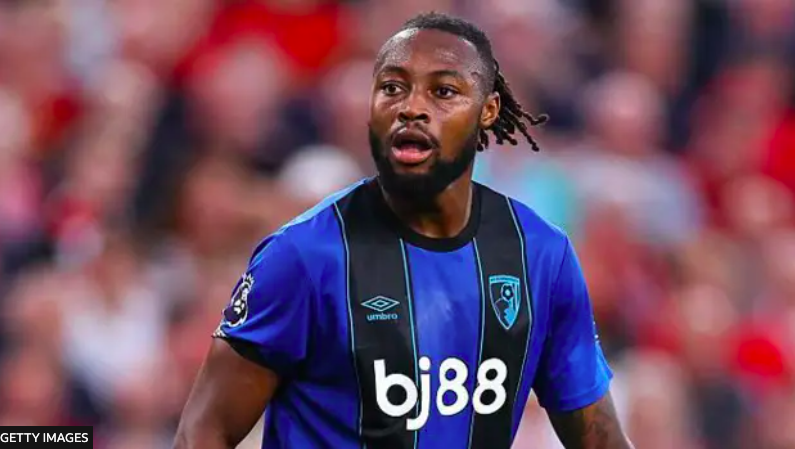
‘Totally Unacceptable’ – Antoine Semenyo Reports Racist Abuse During Premier League Opener
The 2024/25 Premier League season began with an ugly reminder of football’s persistent racism problem when Bournemouth forward Antoine Semenyo was subjected to alleged racist abuse from a member of the crowd at Anfield.
The incident occurred during Bournemouth’s opener against reigning champions Liverpool, a match that eventually finished 4-2 to the hosts. Despite the distressing events, Semenyo responded on the pitch with remarkable professionalism — scoring twice in 12 second-half minutes to briefly level the match before Liverpool’s late surge sealed victory.
Register for Tekedia Mini-MBA edition 20 (June 8 – Sept 5, 2026).
Register for Tekedia AI in Business Masterclass.
Join Tekedia Capital Syndicate and co-invest in great global startups.
Register for Tekedia AI Lab.
The Incident at Anfield
Referee Anthony Taylor halted play in the 29th minute as Liverpool prepared to take a corner. After speaking to both managers and calling over captains Virgil van Dijk and Adam Smith, it emerged that Semenyo had reported racial abuse from the stands.
The game paused for four minutes while officials followed the Premier League’s on-field anti-discrimination protocol. Anfield’s public address system did not address the incident immediately, but an anti-discrimination message was later read to the crowd at half-time.

Bournemouth captain Adam Smith expressed disbelief and anger in a post-match interview with Sky Sports.
“Totally unacceptable,” Smith said. “Kind of in shock it happened in this day and age. I don’t know how Ant has carried on playing and come up with these goals. He’s a little bit down — something needs to be done. Taking a knee has taken no effect.”
Smith revealed he asked the referee to remove the alleged offender immediately, but was told that police procedures had to be followed. “The Liverpool players were very supportive to Ant and the rest of the team. It was handled in the right way, but I’m just so angry,” he added.

Statements From Authorities and Clubs
The Football Association released a statement shortly after the match, pledging to work with all relevant parties to investigate the allegation.
“Incidents of this nature have no place in our game, and we will work closely with the match officials, the clubs and the relevant authorities to establish the facts and ensure the appropriate action is taken,” the FA said.
Liverpool Football Club also issued a firm condemnation of racism and discrimination, confirming their cooperation with the ongoing police investigation:
“We condemn racism and discrimination in all forms, it has no place in society or football,” the club stated.
Liverpool head coach Arne Slot echoed this sentiment, saying:
“We don’t want this in football, we don’t want this happening in stadiums, especially not at Anfield. It takes the shine off it a bit because our fans were amazing, especially with the tributes to Diogo.”
The Premier League also reaffirmed its anti-discrimination stance:
“Racism has no place in our game, or anywhere in society. We will continue to work with stakeholders and authorities to ensure our stadiums are an inclusive and welcoming environment for all.”
Solidarity From Anti-Racism Campaigners
Anti-discrimination group Kick It Out said it “stands in solidarity” with Semenyo, praising his courage for reporting the abuse in the heat of a competitive match and then delivering a stellar performance.
“This is a stark reminder of an ugly reality: black players are facing this every week,” the organisation stated. “We will keep pushing to kick this disgusting behaviour out of the game through punishments, accountability and education, but football still has a long way to go.”
Kick It Out also credited referee Anthony Taylor and his team for acting quickly and decisively.
A Pattern of Racist Incidents
The abuse of Semenyo is not an isolated case. Just two days earlier, Tottenham’s Mathys Tel was subjected to racist messages on social media after missing a penalty in the Super Cup defeat to Paris Saint-Germain. England defender Jess Carter was also targeted during Euro 2025 last month.
High-profile cases in recent years have underscored the scale of the problem. Marcus Rashford, Jadon Sancho, and Bukayo Saka all suffered racist abuse online after England’s Euro 2020 final defeat to Italy. Despite campaigns, education programmes, and symbolic gestures like taking the knee, the frequency of such incidents suggests deeper cultural and systemic issues remain unresolved.
Calls for Stronger Action
Smith’s post-match comments reflect a broader frustration among players: gestures alone are not enough. Calls for swifter, harsher sanctions against perpetrators — including lifetime stadium bans and criminal prosecution — are growing louder.
The Premier League’s three-step anti-discrimination protocol allows referees to pause matches, suspend play, or abandon them entirely if discriminatory abuse occurs. But critics argue that unless offenders face tangible consequences beyond removal from the ground, the deterrent effect will remain limited.
Semenyo’s Response on the Pitch
Despite the distressing events of the first half, Semenyo’s performance after the incident was remarkable. His two quick goals brought Bournemouth back into contention and showed a mental resilience that teammates and supporters alike lauded.
Smith described his teammate’s composure as “the type of guy he is” — someone who refused to let the abuse dictate his reaction, instead focusing on the game. “Fair play to Ant,” Smith said. “I’d have gone straight over there [to confront the abuser], but he carried on.”
A Problem Football Cannot Ignore
While the police investigation continues, the incident at Anfield reinforces a sobering truth: racism remains embedded in certain sections of football culture. The visibility of the Premier League means such incidents are not just local scandals but global broadcasts of an ongoing societal failing.
Authorities, clubs, and governing bodies can issue statements, but meaningful progress requires sustained enforcement, robust education, and a cultural shift among fans. The message from players, campaigners, and responsible supporters is clear — racist abuse is “totally unacceptable,” and the game must be unrelenting in stamping it out.
Conclusion:
Antoine Semenyo’s experience at Anfield should serve as a catalyst for stronger, faster action against racism in football. His ability to rise above the abuse and excel in the match is admirable, but no player should have to demonstrate such resilience in the face of hatred. If the sport truly wants to be inclusive, it must match its words with decisive action — on and off the pitch.
Meta Description:
Bournemouth’s Antoine Semenyo reported racist abuse during the Premier League opener at Anfield before scoring twice. The incident sparked outrage, official investigations, and renewed calls to tackle racism in football.
Share this:
- Click to share on Facebook (Opens in new window) Facebook
- Click to share on X (Opens in new window) X
- Click to share on WhatsApp (Opens in new window) WhatsApp
- Click to share on LinkedIn (Opens in new window) LinkedIn
- Click to email a link to a friend (Opens in new window) Email
- Click to print (Opens in new window) Print