

Are Easter Island’s Moai Statues Disappearing Forever? Climate Threat Sparks Urgent Preservation Efforts

Quote from Alex Bobby on August 3, 2025, 6:47 AM
Is This the End for Easter Island’s Moai Statues?
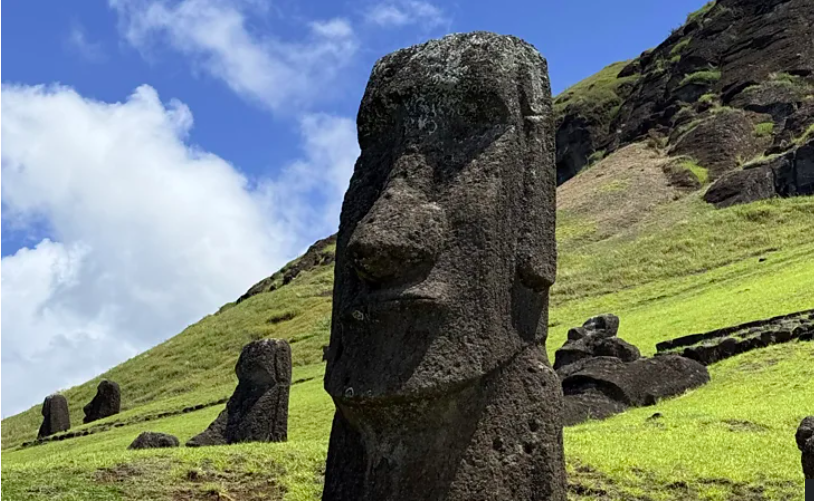
Along the wind-battered cliffs of Rapa Nui, better known as Easter Island, ancient giants stare solemnly inland — a thousand stone faces carved centuries ago by Polynesian ancestors, standing as silent witnesses to history. But now, these world-famous moai statues are facing a slow and inevitable demise, crumbling under the weight of time, weather, and climate change. The question looming over the island is heartbreaking and urgent: Is this the end for the moai?
Icons of Identity
To the world, the moai are iconic cultural relics. To the people of Rapa Nui, they are far more — ancestors, protectors, spiritual symbols, and a living expression of identity. Carved between 1100 and 1600 AD from volcanic tuff, these statues were erected on platforms called ahu, most of which line the island's rugged coast and face inland to watch over the islanders.
They stand between 4 and 33 feet tall, and while their massive silhouettes appear eternal from afar, a closer look reveals a different truth. The porous volcanic rock from which they were carved is soft and highly vulnerable to erosion. Over centuries, the statues have weathered slowly. But now, with climate change accelerating the cycles of rain, wind, and rising sea levels, that process is speeding up — and the moai are quite literally dissolving.
A Community Caught Between Memory and Urgency
For Maria Tuki, a local resident and tour guide whose family has deep roots in moai sculpture, the deterioration is personal. Walking among the unfinished statues in the Rano Raraku quarry — where her ancestors once chiselled giants from the mountainside — she feels the weight of their loss every day. “My father told me that the moai would go back into the ocean one day,” she recalls. That prophecy now feels less metaphorical and more like a pending reality.
Indeed, many moai statues lie dangerously close to coastal erosion zones. Some have already been damaged or toppled by storm surges and landslides. In the past, the remote location of Easter Island — more than 2,000 miles from the Chilean coast — protected it from the pressures of mass tourism and industrialisation. Today, that isolation offers little protection from global climate forces.
Scientific Interventions and Cultural Dilemmas
Faced with a ticking clock, local leaders and conservationists are experimenting with a variety of preservation strategies. Drones are being deployed to create detailed 3D scans of the statues, helping to document and track erosion over time. Chemical treatments are being tested to strengthen the tuff and slow down decay. In more extreme cases, there are even discussions about relocating vulnerable moai further inland or into controlled environments.
But such decisions come with cultural tension. The moai were built to exist in harmony with nature — their position, their gaze, and their symbolism are all tied to their physical location. Moving them, some argue, would strip them of meaning. Others insist that letting them erode naturally honours their life cycle and the impermanence of all things.
“It’s like watching your grandparents age,” one conservationist commented. “You want to preserve them, but there’s also something sacred about letting time take its course.”
Global Significance, Local Responsibility
Tourists who travel across oceans to witness the moai often leave mesmerised, struck not just by the scale of the statues, but by their spiritual resonance. These aren’t just sculptures — they’re storytellers, memory-keepers, and guardians of a Polynesian legacy that has survived colonisation, ecological collapse, and political upheaval.
But with global attention also comes responsibility. The tourism industry, vital to the island’s economy, also brings its own wear and tear. Foot traffic, waste, and infrastructure all contribute to the environmental pressures facing the moai and the island's fragile ecosystems. Conservation, therefore, isn’t just about saving the statues — it’s about rethinking the relationship between heritage, nature, and modernity.
Looking Forward: A Future Carved by Choice
As the moai continue to weather under the pressure of time and climate, the people of Rapa Nui face a defining crossroads. Will they prioritise conservation with modern technology, reshaping how the world engages with ancient relics? Or will they allow nature to take its course, honouring the moai’s connection to the land and sea — even as those elements slowly reclaim them?
Whatever path they choose, the world must support their decisions, not just through funding or scientific aid, but with deep respect for the cultural values at stake. Because the story of Easter Island’s moai isn’t just about the past — it’s a mirror to the global future of heritage in a changing climate. And what happens next will shape not just what we remember, but how.
Final Thought
The moai of Rapa Nui are more than statues — they are guardians of a people's identity, memory, and soul. As they face erosion not only from wind and rain but from the rising tide of climate change, their fate becomes a powerful symbol of the delicate balance between heritage and nature. Whether preserved through innovation or left to complete their journey back to the earth, one truth remains: their story continues to shape, inspire, and challenge us all.
Conclusion: Between Stone and Sea
The moai are slipping away — not in a dramatic collapse, but in a slow, salt-stained crumble. Yet their fading presence may be offering something profound: a reminder of time’s power, of cultural resilience, and of our obligation to the past.
As Rapa Nui’s community weighs whether to rescue the statues or let them rest, they are also redefining what it means to protect heritage in the era of climate change. Whether standing tall or eroded to dust, the moai will always be part of the island’s soul. But how we respond to their decline may speak louder than stone.
Because this isn’t just about statues — it’s about how we value what we inherit, and how we choose to carry it forward.
Meta Description:
Easter Island’s iconic moai statues are slowly crumbling due to climate change and erosion. As locals seek solutions to preserve their heritage, the world watches a race against time to save these ancient guardians.
Is This the End for Easter Island’s Moai Statues?
Along the wind-battered cliffs of Rapa Nui, better known as Easter Island, ancient giants stare solemnly inland — a thousand stone faces carved centuries ago by Polynesian ancestors, standing as silent witnesses to history. But now, these world-famous moai statues are facing a slow and inevitable demise, crumbling under the weight of time, weather, and climate change. The question looming over the island is heartbreaking and urgent: Is this the end for the moai?
Icons of Identity
Register for Tekedia Mini-MBA edition 20 (June 8 – Sept 5, 2026).
Register for Tekedia AI in Business Masterclass.
Join Tekedia Capital Syndicate and co-invest in great global startups.
Register for Tekedia AI Lab.
To the world, the moai are iconic cultural relics. To the people of Rapa Nui, they are far more — ancestors, protectors, spiritual symbols, and a living expression of identity. Carved between 1100 and 1600 AD from volcanic tuff, these statues were erected on platforms called ahu, most of which line the island's rugged coast and face inland to watch over the islanders.
They stand between 4 and 33 feet tall, and while their massive silhouettes appear eternal from afar, a closer look reveals a different truth. The porous volcanic rock from which they were carved is soft and highly vulnerable to erosion. Over centuries, the statues have weathered slowly. But now, with climate change accelerating the cycles of rain, wind, and rising sea levels, that process is speeding up — and the moai are quite literally dissolving.
A Community Caught Between Memory and Urgency

For Maria Tuki, a local resident and tour guide whose family has deep roots in moai sculpture, the deterioration is personal. Walking among the unfinished statues in the Rano Raraku quarry — where her ancestors once chiselled giants from the mountainside — she feels the weight of their loss every day. “My father told me that the moai would go back into the ocean one day,” she recalls. That prophecy now feels less metaphorical and more like a pending reality.
Indeed, many moai statues lie dangerously close to coastal erosion zones. Some have already been damaged or toppled by storm surges and landslides. In the past, the remote location of Easter Island — more than 2,000 miles from the Chilean coast — protected it from the pressures of mass tourism and industrialisation. Today, that isolation offers little protection from global climate forces.
Scientific Interventions and Cultural Dilemmas

Faced with a ticking clock, local leaders and conservationists are experimenting with a variety of preservation strategies. Drones are being deployed to create detailed 3D scans of the statues, helping to document and track erosion over time. Chemical treatments are being tested to strengthen the tuff and slow down decay. In more extreme cases, there are even discussions about relocating vulnerable moai further inland or into controlled environments.
But such decisions come with cultural tension. The moai were built to exist in harmony with nature — their position, their gaze, and their symbolism are all tied to their physical location. Moving them, some argue, would strip them of meaning. Others insist that letting them erode naturally honours their life cycle and the impermanence of all things.
“It’s like watching your grandparents age,” one conservationist commented. “You want to preserve them, but there’s also something sacred about letting time take its course.”
Global Significance, Local Responsibility
Tourists who travel across oceans to witness the moai often leave mesmerised, struck not just by the scale of the statues, but by their spiritual resonance. These aren’t just sculptures — they’re storytellers, memory-keepers, and guardians of a Polynesian legacy that has survived colonisation, ecological collapse, and political upheaval.
But with global attention also comes responsibility. The tourism industry, vital to the island’s economy, also brings its own wear and tear. Foot traffic, waste, and infrastructure all contribute to the environmental pressures facing the moai and the island's fragile ecosystems. Conservation, therefore, isn’t just about saving the statues — it’s about rethinking the relationship between heritage, nature, and modernity.
Looking Forward: A Future Carved by Choice
As the moai continue to weather under the pressure of time and climate, the people of Rapa Nui face a defining crossroads. Will they prioritise conservation with modern technology, reshaping how the world engages with ancient relics? Or will they allow nature to take its course, honouring the moai’s connection to the land and sea — even as those elements slowly reclaim them?
Whatever path they choose, the world must support their decisions, not just through funding or scientific aid, but with deep respect for the cultural values at stake. Because the story of Easter Island’s moai isn’t just about the past — it’s a mirror to the global future of heritage in a changing climate. And what happens next will shape not just what we remember, but how.
Final Thought
The moai of Rapa Nui are more than statues — they are guardians of a people's identity, memory, and soul. As they face erosion not only from wind and rain but from the rising tide of climate change, their fate becomes a powerful symbol of the delicate balance between heritage and nature. Whether preserved through innovation or left to complete their journey back to the earth, one truth remains: their story continues to shape, inspire, and challenge us all.
Conclusion: Between Stone and Sea
The moai are slipping away — not in a dramatic collapse, but in a slow, salt-stained crumble. Yet their fading presence may be offering something profound: a reminder of time’s power, of cultural resilience, and of our obligation to the past.
As Rapa Nui’s community weighs whether to rescue the statues or let them rest, they are also redefining what it means to protect heritage in the era of climate change. Whether standing tall or eroded to dust, the moai will always be part of the island’s soul. But how we respond to their decline may speak louder than stone.
Because this isn’t just about statues — it’s about how we value what we inherit, and how we choose to carry it forward.
Meta Description:
Easter Island’s iconic moai statues are slowly crumbling due to climate change and erosion. As locals seek solutions to preserve their heritage, the world watches a race against time to save these ancient guardians.
Share this:
- Click to share on Facebook (Opens in new window) Facebook
- Click to share on X (Opens in new window) X
- Click to share on WhatsApp (Opens in new window) WhatsApp
- Click to share on LinkedIn (Opens in new window) LinkedIn
- Click to email a link to a friend (Opens in new window) Email
- Click to print (Opens in new window) Print