

Breakthrough in Mental Health: Psilocybin Therapy Approved for Treatment-Resistant Depression in Controlled Settings

Quote from Alex Bobby on August 1, 2025, 4:30 AM
In a historic and controversial decision, health regulators have approved the use of psilocybin therapy for patients with treatment-resistant depression in strictly controlled clinical settings. The move marks a significant turning point in mental health treatment, offering hope to millions who have not responded to traditional therapies and medications.
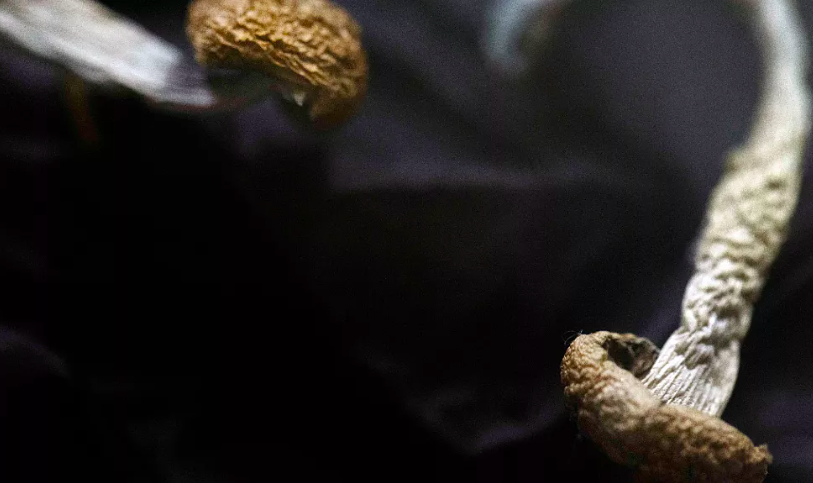
Psilocybin, the active compound found in so-called “magic mushrooms,” has long been associated with psychedelic experiences. But in recent years, a growing body of research has suggested that, when used in guided therapeutic environments, it may offer transformative relief to patients battling severe depression.
What the Decision Means
The new regulation allows licensed mental health professionals to administer psilocybin-assisted therapy to patients who have tried and failed at least two other forms of treatment for depression. These sessions will be conducted in medical facilities that meet rigorous safety and ethical standards, with both psychological preparation and follow-up support required.
“This isn’t about recreational drug use,” said Dr. Elena Martins, a neuropsychiatrist involved in clinical trials. “It’s about giving people with life-threatening depression access to an evidence-based treatment when nothing else has worked.”
The approval follows years of advocacy from mental health professionals and patients, along with clinical trials that demonstrated promising results. In one widely cited study published in The New England Journal of Medicine, patients who received a controlled dose of psilocybin alongside psychotherapy reported significantly reduced symptoms, with some experiencing relief that lasted for months.
Why Psilocybin?
Psilocybin works differently from traditional antidepressants. Rather than altering neurochemical levels over time, it acts quickly by disrupting and reorganising activity in the brain’s default mode network—regions associated with self-reflection, rumination, and negative thought loops.
During a guided therapy session, patients often report a sense of “ego dissolution,” emotional breakthroughs, or the ability to process deeply rooted trauma. These experiences, when facilitated by trained professionals, can lead to dramatic shifts in mental well-being.
“It’s not a magic cure, but for many patients, it’s a powerful reset,” said Dr. Martins. “They come out of the session seeing themselves and their life differently.”
Strict Safeguards in Place
Despite its potential, psilocybin therapy comes with risks—particularly for people with a history of psychosis or certain heart conditions. To mitigate these risks, the new regulation includes strict criteria:
- Medical screening to determine patient eligibility
- Licensed facilities with emergency support protocols
- Supervised sessions with trained therapists present at all times
- Psychological preparation before the session and integration therapy afterward
Regulators emphasised that this is not an endorsement of general psychedelic use but a recognition of its potential when applied in a clinical context.
“This decision is grounded in science and compassion,” said a spokesperson for the national health authority. “It offers a tightly controlled path forward for patients who have exhausted conventional options.”
Cautious Optimism in the Medical Community
The decision has been met with cautious optimism by many in the psychiatric field. Mental health professionals have long struggled to find effective treatments for the estimated 30% of patients with depression who do not respond to medication or talk therapy.
“Treatment-resistant depression is a life-threatening condition,” said Dr. Nadia Okafor, a clinical psychologist. “People lose jobs, relationships, and even lives. If psilocybin can help break that cycle, we owe it to patients to explore it responsibly.”
That said, some experts are urging restraint. Critics warn of the hype surrounding psychedelics, with some suggesting that the therapeutic community is moving too fast without enough long-term safety data.
“There’s great promise, yes—but we’re still in the early days,” said Professor Armand Dubois of the University of Paris. “We need decades of follow-up studies, not just headlines.”
Cultural and Legal Shifts
The approval is also part of a broader cultural reevaluation of psychedelics. Once dismissed as countercultural drugs, compounds like psilocybin, MDMA, and ketamine are now being reexamined for their therapeutic potential.
In the past five years, several jurisdictions—including parts of the U.S., Australia, and Canada—have moved toward decriminalising or medically regulating psychedelics. This latest decision may accelerate similar policies elsewhere, particularly in countries grappling with growing mental health crises.
Looking Forward
As treatment centres prepare to launch psilocybin therapy programs in the coming months, researchers will be closely monitoring outcomes. Patients, meanwhile, may soon have access to a treatment that doesn't just mask symptoms but helps them reconnect with their lives in profound and lasting ways. The path ahead requires diligence and care—but for many, it offers something previously out of reach: real hope.
Conclusion
The approval of psilocybin therapy for treatment-resistant depression is more than a medical milestone—it’s a lifeline for individuals who have long been failed by the existing system. With proper regulation, support, and ongoing research, this decision may mark the beginning of a new era in mental health care—one that embraces innovation while respecting caution.
Meta description
Health regulators have approved psilocybin therapy for treatment-resistant depression in controlled settings, offering new hope to patients unresponsive to conventional treatments.
In a historic and controversial decision, health regulators have approved the use of psilocybin therapy for patients with treatment-resistant depression in strictly controlled clinical settings. The move marks a significant turning point in mental health treatment, offering hope to millions who have not responded to traditional therapies and medications.
Psilocybin, the active compound found in so-called “magic mushrooms,” has long been associated with psychedelic experiences. But in recent years, a growing body of research has suggested that, when used in guided therapeutic environments, it may offer transformative relief to patients battling severe depression.
What the Decision Means
Register for Tekedia Mini-MBA edition 20 (June 8 – Sept 5, 2026).
Register for Tekedia AI in Business Masterclass.
Join Tekedia Capital Syndicate and co-invest in great global startups.
Register for Tekedia AI Lab.
The new regulation allows licensed mental health professionals to administer psilocybin-assisted therapy to patients who have tried and failed at least two other forms of treatment for depression. These sessions will be conducted in medical facilities that meet rigorous safety and ethical standards, with both psychological preparation and follow-up support required.
“This isn’t about recreational drug use,” said Dr. Elena Martins, a neuropsychiatrist involved in clinical trials. “It’s about giving people with life-threatening depression access to an evidence-based treatment when nothing else has worked.”
The approval follows years of advocacy from mental health professionals and patients, along with clinical trials that demonstrated promising results. In one widely cited study published in The New England Journal of Medicine, patients who received a controlled dose of psilocybin alongside psychotherapy reported significantly reduced symptoms, with some experiencing relief that lasted for months.

Why Psilocybin?
Psilocybin works differently from traditional antidepressants. Rather than altering neurochemical levels over time, it acts quickly by disrupting and reorganising activity in the brain’s default mode network—regions associated with self-reflection, rumination, and negative thought loops.
During a guided therapy session, patients often report a sense of “ego dissolution,” emotional breakthroughs, or the ability to process deeply rooted trauma. These experiences, when facilitated by trained professionals, can lead to dramatic shifts in mental well-being.

“It’s not a magic cure, but for many patients, it’s a powerful reset,” said Dr. Martins. “They come out of the session seeing themselves and their life differently.”
Strict Safeguards in Place
Despite its potential, psilocybin therapy comes with risks—particularly for people with a history of psychosis or certain heart conditions. To mitigate these risks, the new regulation includes strict criteria:
- Medical screening to determine patient eligibility
- Licensed facilities with emergency support protocols
- Supervised sessions with trained therapists present at all times
- Psychological preparation before the session and integration therapy afterward
Regulators emphasised that this is not an endorsement of general psychedelic use but a recognition of its potential when applied in a clinical context.
“This decision is grounded in science and compassion,” said a spokesperson for the national health authority. “It offers a tightly controlled path forward for patients who have exhausted conventional options.”
Cautious Optimism in the Medical Community
The decision has been met with cautious optimism by many in the psychiatric field. Mental health professionals have long struggled to find effective treatments for the estimated 30% of patients with depression who do not respond to medication or talk therapy.
“Treatment-resistant depression is a life-threatening condition,” said Dr. Nadia Okafor, a clinical psychologist. “People lose jobs, relationships, and even lives. If psilocybin can help break that cycle, we owe it to patients to explore it responsibly.”
That said, some experts are urging restraint. Critics warn of the hype surrounding psychedelics, with some suggesting that the therapeutic community is moving too fast without enough long-term safety data.
“There’s great promise, yes—but we’re still in the early days,” said Professor Armand Dubois of the University of Paris. “We need decades of follow-up studies, not just headlines.”
Cultural and Legal Shifts
The approval is also part of a broader cultural reevaluation of psychedelics. Once dismissed as countercultural drugs, compounds like psilocybin, MDMA, and ketamine are now being reexamined for their therapeutic potential.
In the past five years, several jurisdictions—including parts of the U.S., Australia, and Canada—have moved toward decriminalising or medically regulating psychedelics. This latest decision may accelerate similar policies elsewhere, particularly in countries grappling with growing mental health crises.
Looking Forward
As treatment centres prepare to launch psilocybin therapy programs in the coming months, researchers will be closely monitoring outcomes. Patients, meanwhile, may soon have access to a treatment that doesn't just mask symptoms but helps them reconnect with their lives in profound and lasting ways. The path ahead requires diligence and care—but for many, it offers something previously out of reach: real hope.
Conclusion
The approval of psilocybin therapy for treatment-resistant depression is more than a medical milestone—it’s a lifeline for individuals who have long been failed by the existing system. With proper regulation, support, and ongoing research, this decision may mark the beginning of a new era in mental health care—one that embraces innovation while respecting caution.
Meta description
Health regulators have approved psilocybin therapy for treatment-resistant depression in controlled settings, offering new hope to patients unresponsive to conventional treatments.
Uploaded files:Share this:
- Click to share on Facebook (Opens in new window) Facebook
- Click to share on X (Opens in new window) X
- Click to share on WhatsApp (Opens in new window) WhatsApp
- Click to share on LinkedIn (Opens in new window) LinkedIn
- Click to email a link to a friend (Opens in new window) Email
- Click to print (Opens in new window) Print