

Bryanberger Trial Exciting Discovery of DNA Evidence From 3 Under Victim Madison M's Fingails

Quote from Oladosun Joshua Segun on March 6, 2025, 6:29 AM
The Bryan Kohberger case just got a whole lot more complicated. New DNA evidence has surfaced. It was found under the fingernails of Madison Mogen. She was one of the four University of Idaho students murdered in 2022. This discovery could seriously shake things up in the upcoming trial.
Kohberger was initially charged with the murders. The new DNA evidence introduces uncertainty. It might even give the defense a stronger hand.
So, what exactly do we know about this DNA? Well, it turns out that DNA from not one, not two, but three different people was found under Madison Mogen's fingernails.
"The data consisted of three-person mixture," the defense wrote in a motion unsealed on March 4, noting that comparison to Kohberger's DNA was found "inconclusive," meaning he could neither be confirmed or eliminated as one of the contributors.
They said at least four other unnamed individuals were also tested during the investigation, with their results coming back as "inconclusive" as well.
Kohberger's lawyers alleged the investigator used "misleading language" when they are focusing on Kohberger's "inconclusive" results during a grand jury testimony, potentially setting up the 29-year-old for an unfair trial.
How did they even figure out whose DNA it is? Scientists use methods like STR analysis. It looks at specific spots in DNA. It's like checking for a unique fingerprint.
"All of these individuals sit in the same shoes as Mr. Kohberger," the defense wrote in their filing, which had the investigator's testimony redacted from its pages. "Thus, Mr. Kohberger's inconclusive LR is similar to almost every other person for whom an LR was generated and focusing on his 'inconclusive' LR would mislead the jury."
Kohberger's legal team is looking to have parts of the investigator's testimony excluded before his case heads trial in August.
But DNA analysis isn't perfect. There's a chance of messing it up by contaminating it. DNA can also degrade over time. This makes it harder to get a clear result. Plus, just finding DNA doesn't tell you everything. It doesn't automatically mean someone is guilty.
How might Kohberger's lawyers use this new info? It could become a key part of their strategy.
The defense might argue that the unknown DNA creates reasonable doubt. If other people's DNA is at the crime scene, it raises questions. Did someone else do it?
Kohberger who had a judge enter a not guilty plea to his murder charges when he remained silent during his 2023 arraignment, might face the death penalty if found guilty.
They can present scenarios. Maybe Mogen had contact with these individuals before she was murdered. Maybe these people had something to do with the crime.
The defense could challenge the prosecution's narrative. They can suggest other possible suspects. If there's DNA from multiple people, it weakens the idea that Kohberger acted alone. It could point to a different killer.
The prosecution won't just sit back. They'll have their own take on the DNA evidence.
The prosecution might say that the unidentified DNA got there innocently. Maybe Mogen touched something that someone else had touched. This is called "innocent transfer". They'll try to downplay how important the unidentified DNA is.
The prosecution will likely bring in more evidence. This might include things like Kohberger's phone records or surveillance footage. They'll argue that even with the unknown DNA, all the evidence still points to Kohberger. The presence of other DNA doesn't cancel out his involvement.
This DNA discovery could change the whole game. It could also mean more investigation.
Law enforcement might try to figure out whose DNA it is. Finding out who these people are could either help or hurt the case against Kohberger. More investigation could clear up the confusion or muddy the waters.
The media will go wild over this DNA evidence. Expect headlines and endless news stories. People's opinions on Kohberger's guilt might shift. Some might think he's innocent, while others will remain convinced, he's guilty.
The DNA evidence found under Madison Mogen's nails adds a new layer to the Bryan Kohberger case. The presence of DNA from three individuals introduces uncertainty. It could significantly influence the trial's outcome.
The legal process needs to play out. Justice needs to be found for the victims. Their families deserve closure, whatever the outcome may be.
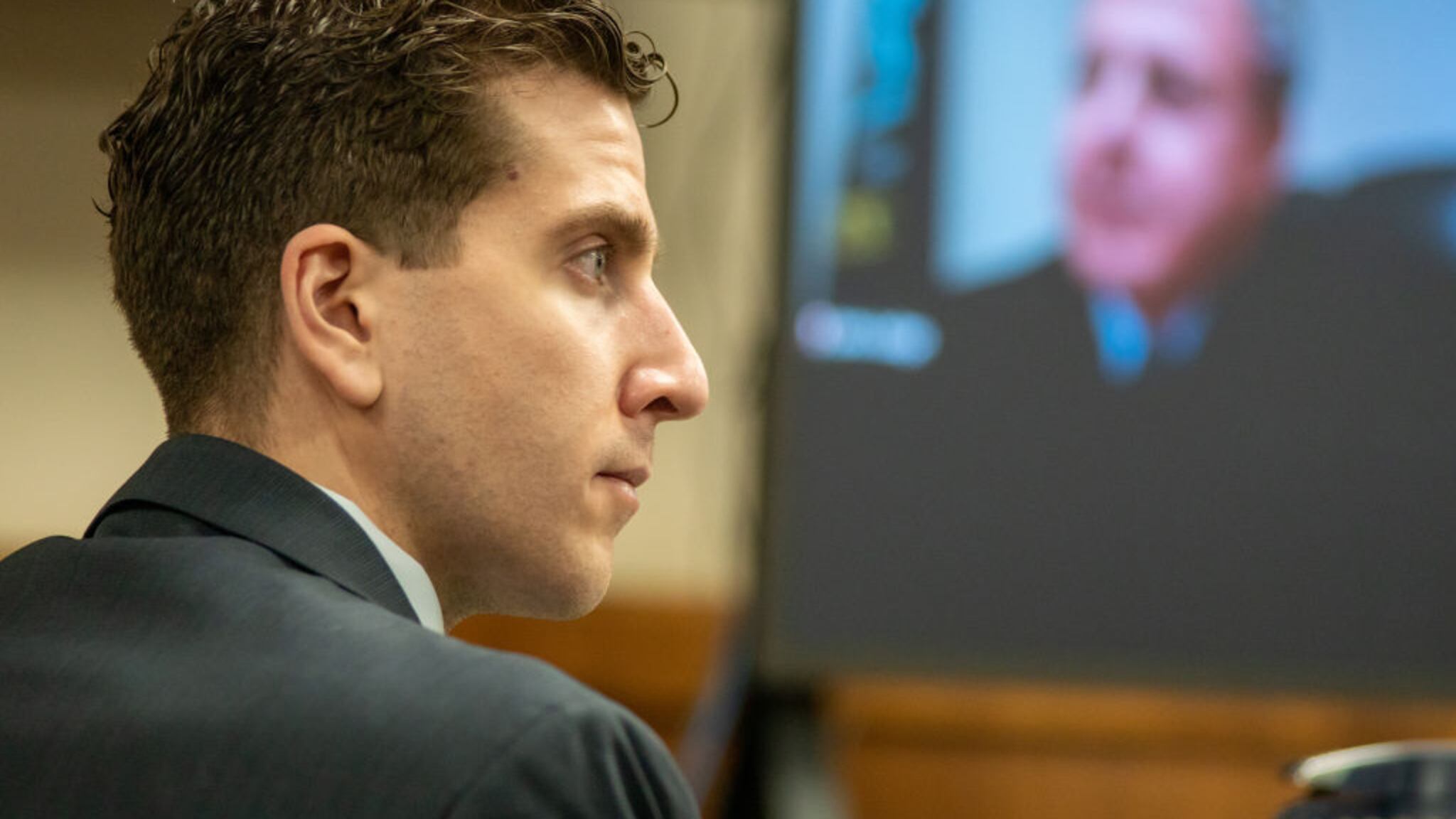
The Bryan Kohberger case just got a whole lot more complicated. New DNA evidence has surfaced. It was found under the fingernails of Madison Mogen. She was one of the four University of Idaho students murdered in 2022. This discovery could seriously shake things up in the upcoming trial.
Kohberger was initially charged with the murders. The new DNA evidence introduces uncertainty. It might even give the defense a stronger hand.
So, what exactly do we know about this DNA? Well, it turns out that DNA from not one, not two, but three different people was found under Madison Mogen's fingernails.
Register for Tekedia Mini-MBA edition 20 (June 8 – Sept 5, 2026).
Register for Tekedia AI in Business Masterclass.
Join Tekedia Capital Syndicate and co-invest in great global startups.
Register for Tekedia AI Lab.
"The data consisted of three-person mixture," the defense wrote in a motion unsealed on March 4, noting that comparison to Kohberger's DNA was found "inconclusive," meaning he could neither be confirmed or eliminated as one of the contributors.
They said at least four other unnamed individuals were also tested during the investigation, with their results coming back as "inconclusive" as well.
Kohberger's lawyers alleged the investigator used "misleading language" when they are focusing on Kohberger's "inconclusive" results during a grand jury testimony, potentially setting up the 29-year-old for an unfair trial.

How did they even figure out whose DNA it is? Scientists use methods like STR analysis. It looks at specific spots in DNA. It's like checking for a unique fingerprint.
"All of these individuals sit in the same shoes as Mr. Kohberger," the defense wrote in their filing, which had the investigator's testimony redacted from its pages. "Thus, Mr. Kohberger's inconclusive LR is similar to almost every other person for whom an LR was generated and focusing on his 'inconclusive' LR would mislead the jury."
Kohberger's legal team is looking to have parts of the investigator's testimony excluded before his case heads trial in August.

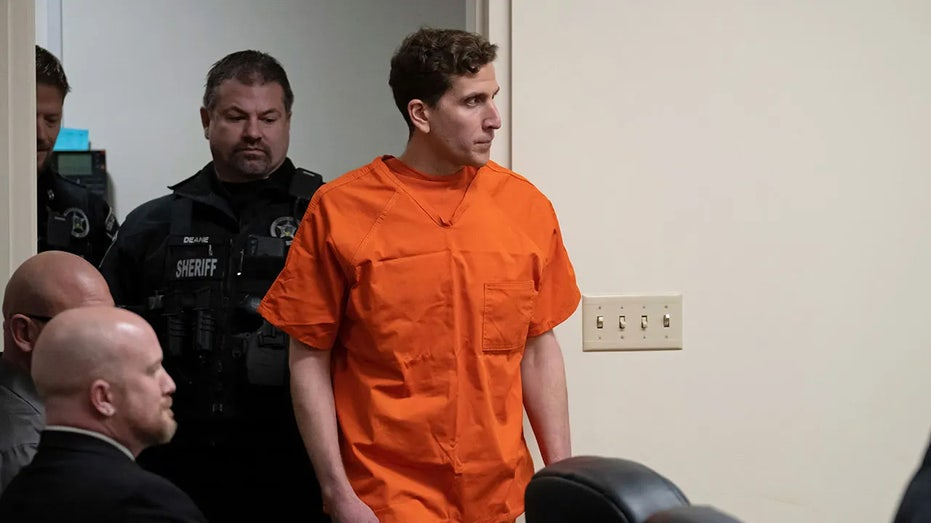
But DNA analysis isn't perfect. There's a chance of messing it up by contaminating it. DNA can also degrade over time. This makes it harder to get a clear result. Plus, just finding DNA doesn't tell you everything. It doesn't automatically mean someone is guilty.
How might Kohberger's lawyers use this new info? It could become a key part of their strategy.
The defense might argue that the unknown DNA creates reasonable doubt. If other people's DNA is at the crime scene, it raises questions. Did someone else do it?
Kohberger who had a judge enter a not guilty plea to his murder charges when he remained silent during his 2023 arraignment, might face the death penalty if found guilty.
They can present scenarios. Maybe Mogen had contact with these individuals before she was murdered. Maybe these people had something to do with the crime.
The defense could challenge the prosecution's narrative. They can suggest other possible suspects. If there's DNA from multiple people, it weakens the idea that Kohberger acted alone. It could point to a different killer.
The prosecution won't just sit back. They'll have their own take on the DNA evidence.
The prosecution might say that the unidentified DNA got there innocently. Maybe Mogen touched something that someone else had touched. This is called "innocent transfer". They'll try to downplay how important the unidentified DNA is.
The prosecution will likely bring in more evidence. This might include things like Kohberger's phone records or surveillance footage. They'll argue that even with the unknown DNA, all the evidence still points to Kohberger. The presence of other DNA doesn't cancel out his involvement.
This DNA discovery could change the whole game. It could also mean more investigation.
Law enforcement might try to figure out whose DNA it is. Finding out who these people are could either help or hurt the case against Kohberger. More investigation could clear up the confusion or muddy the waters.
The media will go wild over this DNA evidence. Expect headlines and endless news stories. People's opinions on Kohberger's guilt might shift. Some might think he's innocent, while others will remain convinced, he's guilty.
The DNA evidence found under Madison Mogen's nails adds a new layer to the Bryan Kohberger case. The presence of DNA from three individuals introduces uncertainty. It could significantly influence the trial's outcome.
The legal process needs to play out. Justice needs to be found for the victims. Their families deserve closure, whatever the outcome may be.
Uploaded files:Share this:
- Click to share on Facebook (Opens in new window) Facebook
- Click to share on X (Opens in new window) X
- Click to share on WhatsApp (Opens in new window) WhatsApp
- Click to share on LinkedIn (Opens in new window) LinkedIn
- Click to email a link to a friend (Opens in new window) Email
- Click to print (Opens in new window) Print