

China Evolves with New Visa Policy

Quote from Ndubuisi Ekekwe on August 30, 2025, 7:55 AM
This is a new evolution of China Enterprise. Yes, China will roll out a new K Visa starting October 1, 2025, aimed at attracting young professionals in tech, science, and entrepreneurship. This visa marks a strategic shift away from traditional work visa models by eliminating the need for employer sponsorship - a significant barrier for independent innovators. Instead, applicants can enter without a job offer, making it more accessible for early-career researchers, entrepreneurs, and inventors.
The K Visa offers greater mobility like multiple entries, longer validity periods, and extended stays compared to existing visa categories. It empowers holders to engage in a wide range of activities, including research collaborations, academic exchanges, cultural initiatives, and business ventures, without being tied to a specific employer.
This policy aligns China with global talent-attracting frameworks found in the U.S., Europe, and Singapore, signaling its intent to become a more open, innovation-driven destination for young global talent. By lowering entry barriers, China aims to strengthen its innovation ecosystem and broaden its reach in the global competition for scientific and technological leadership.
You see the irony? When EU and US are closing borders, China seems to be reading a different text. Of course, no one knows how this will play out. But one thing remains aspirational: all nations must work to make opportunities available in their lands so that no country will train doctors, engineers, etc only for them to be redundant, and then have to leave the country.
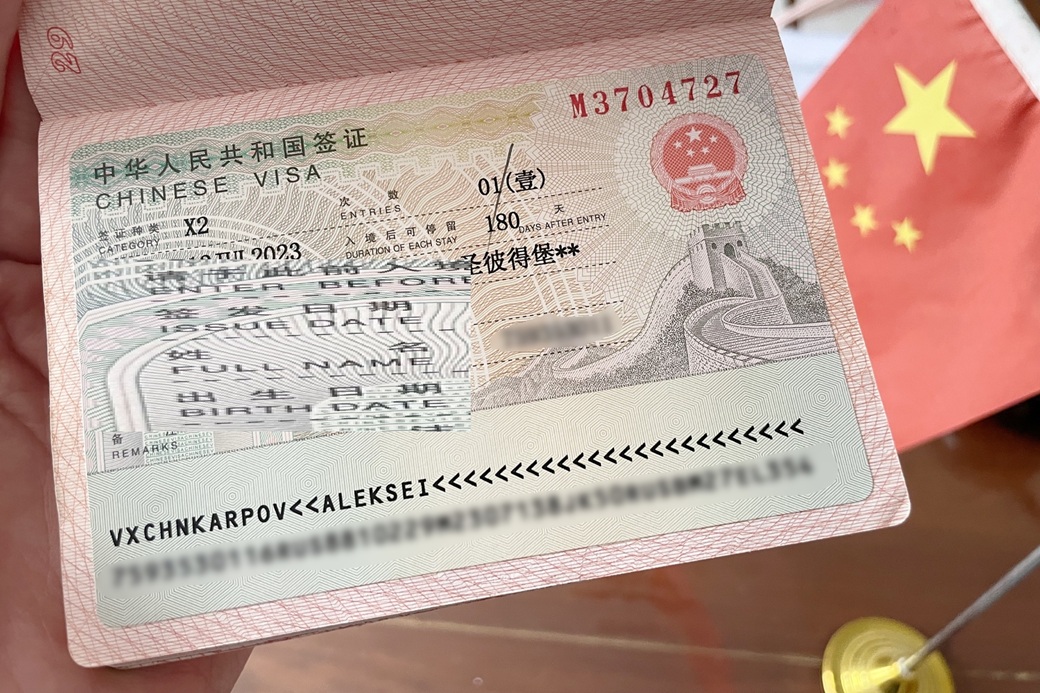
This is a new evolution of China Enterprise. Yes, China will roll out a new K Visa starting October 1, 2025, aimed at attracting young professionals in tech, science, and entrepreneurship. This visa marks a strategic shift away from traditional work visa models by eliminating the need for employer sponsorship - a significant barrier for independent innovators. Instead, applicants can enter without a job offer, making it more accessible for early-career researchers, entrepreneurs, and inventors.
The K Visa offers greater mobility like multiple entries, longer validity periods, and extended stays compared to existing visa categories. It empowers holders to engage in a wide range of activities, including research collaborations, academic exchanges, cultural initiatives, and business ventures, without being tied to a specific employer.
This policy aligns China with global talent-attracting frameworks found in the U.S., Europe, and Singapore, signaling its intent to become a more open, innovation-driven destination for young global talent. By lowering entry barriers, China aims to strengthen its innovation ecosystem and broaden its reach in the global competition for scientific and technological leadership.
Register for Tekedia Mini-MBA edition 20 (June 8 – Sept 5, 2026).
Register for Tekedia AI in Business Masterclass.
Join Tekedia Capital Syndicate and co-invest in great global startups.
Register for Tekedia AI Lab.
You see the irony? When EU and US are closing borders, China seems to be reading a different text. Of course, no one knows how this will play out. But one thing remains aspirational: all nations must work to make opportunities available in their lands so that no country will train doctors, engineers, etc only for them to be redundant, and then have to leave the country.
Share this:
- Click to share on Facebook (Opens in new window) Facebook
- Click to share on X (Opens in new window) X
- Click to share on WhatsApp (Opens in new window) WhatsApp
- Click to share on LinkedIn (Opens in new window) LinkedIn
- Click to email a link to a friend (Opens in new window) Email
- Click to print (Opens in new window) Print