

Climate Change Driving Global Food Price Spikes, Scientists Warn

Quote from Alex Bobby on July 27, 2025, 5:51 AM
Climate Crisis Driving Global Food Price Spikes, Scientists Warn
Extreme weather events driven by climate change are causing food prices to surge around the globe, affecting everything from South Korean cabbage to Ghanaian cocoa, according to a landmark new report by international scientists. The study, released ahead of the United Nations Food Systems Summit in Addis Ababa, underscores how increasingly frequent heatwaves, floods, and droughts are already undermining global food security and pushing millions into financial strain.
The research, conducted by six European scientific institutions in collaboration with the European Central Bank, analysed the direct link between recent climate extremes and subsequent spikes in food prices. Their findings show that no region is immune, and that low-income families are bearing the brunt of the crisis.
From Cocoa to Cabbage: A Global Picture of Climate-Induced Inflation
Since 2022, many staple and cash crops have experienced dramatic price surges following extreme weather. One of the most striking examples is the 280% rise in global cocoa prices in April 2024, directly linked to a severe heatwave in Ghana and Ivory Coast, the two largest producers of the crop.
Similarly, Australia experienced a 300% increase in lettuce prices after major floods in 2022 damaged large parts of the country’s agricultural zones. Meanwhile, rice prices in Japan rose by 48% in September 2024 following a scorching heatwave, while South Korea saw a 70% jump in cabbage prices during the same period. In India, potato prices skyrocketed by 81% in early 2024 due to weather anomalies affecting crop yields.
Droughts have also played a significant role. In Brazil, a 2023 drought preceded a 55% increase in coffee prices the following year. Likewise, Ethiopia experienced a 40% hike in overall food prices in 2023 after a severe drought hit the country in 2022.
A Wake-Up Call for Global Leaders
The timing of the report is significant. It comes just days before the UN Food Systems Summit, co-hosted by Ethiopia and Italy from July 27 to 29, where global leaders will address strategies for sustainable agriculture and food access amid worsening climate change. The event is expected to highlight the urgency of food system reforms and accelerate action toward climate resilience.
Dr. Maximillian Kotz, the lead author of the report from the Barcelona Supercomputing Center, emphasised the urgency of cutting emissions to avoid deeper food crises. “Until we get to net zero emissions, extreme weather will only get worse — but it’s already damaging crops and pushing up the price of food all over the world,” he said.
He added that rising food prices are now the second most visible impact of climate change in people’s lives, after extreme heat itself. The report particularly stresses the disproportionate impact on low-income households, for whom even modest price increases can lead to food insecurity.
Political Impacts: Climate and the Ballot Box
The food price crisis is not just an economic issue — it's becoming a political flashpoint. In Japan, the sharp rise in rice prices influenced voters in this weekend’s elections. Similar sentiments were echoed in the United States, the United Kingdom, and Argentina, where rising grocery bills were front and centre during the 2023 and 2024 election cycles.
In the UK, the Energy and Climate Intelligence Unit (ECIU) estimated that climate change added £360 ($482) to the average household food bill across 2022 and 2023 alone. Amber Sawyer, a co-author of the report, pointed out that the UK had its third worst arable harvest on record last year, with England suffering its second worst, both worsened by intense rainfall events.
“The link is clear: climate change is not only affecting the environment, but it’s hitting people’s wallets — especially through the food they eat every day,” Sawyer said.
A Gap Between Climate Pledges and Reality
Despite growing evidence of the climate crisis’s toll on agriculture, global commitments to curb emissions remain insufficient. Under the UN Framework Convention on Climate Change (UNFCCC), countries have pledged to cut emissions by only 2.6% from 2019 to 2030 — far short of what's needed to meet the Paris Agreement target of limiting global warming to 1.5°C above pre-industrial levels.
Climate scientists and policy experts continue to warn that current efforts will not avert the most catastrophic consequences, including widespread food insecurity, unless global ambition ramps up significantly.
Adding to the growing international pressure, the International Court of Justice (ICJ) is expected to deliver a landmark advisory opinion on states’ legal obligations to act on climate change this week. The case, brought by Vanuatu and supported by numerous Global South nations, could reshape the legal accountability of major emitters and bring new momentum to international climate policy.
A Crisis With No Borders
What the new report makes painfully clear is that the climate crisis is not a distant or future threat — it is here, and it is global. From the rice paddies of Japan to the cocoa farms of Ghana, from small vegetable growers in Australia to coffee plantations in Brazil, climate change is disrupting food production, destabilising markets, and increasing economic inequality.
If unchecked, the trend could result in more frequent and intense price shocks, threatening food security, political stability, and public health worldwide.
Climate Crisis Driving Global Food Price Spikes, Scientists Warn
Extreme weather events driven by climate change are causing food prices to surge around the globe, affecting everything from South Korean cabbage to Ghanaian cocoa, according to a landmark new report by international scientists. The study, released ahead of the United Nations Food Systems Summit in Addis Ababa, underscores how increasingly frequent heatwaves, floods, and droughts are already undermining global food security and pushing millions into financial strain.
The research, conducted by six European scientific institutions in collaboration with the European Central Bank, analysed the direct link between recent climate extremes and subsequent spikes in food prices. Their findings show that no region is immune, and that low-income families are bearing the brunt of the crisis.
From Cocoa to Cabbage: A Global Picture of Climate-Induced Inflation
Since 2022, many staple and cash crops have experienced dramatic price surges following extreme weather. One of the most striking examples is the 280% rise in global cocoa prices in April 2024, directly linked to a severe heatwave in Ghana and Ivory Coast, the two largest producers of the crop.
Similarly, Australia experienced a 300% increase in lettuce prices after major floods in 2022 damaged large parts of the country’s agricultural zones. Meanwhile, rice prices in Japan rose by 48% in September 2024 following a scorching heatwave, while South Korea saw a 70% jump in cabbage prices during the same period. In India, potato prices skyrocketed by 81% in early 2024 due to weather anomalies affecting crop yields.
Droughts have also played a significant role. In Brazil, a 2023 drought preceded a 55% increase in coffee prices the following year. Likewise, Ethiopia experienced a 40% hike in overall food prices in 2023 after a severe drought hit the country in 2022.
A Wake-Up Call for Global Leaders
The timing of the report is significant. It comes just days before the UN Food Systems Summit, co-hosted by Ethiopia and Italy from July 27 to 29, where global leaders will address strategies for sustainable agriculture and food access amid worsening climate change. The event is expected to highlight the urgency of food system reforms and accelerate action toward climate resilience.
Dr. Maximillian Kotz, the lead author of the report from the Barcelona Supercomputing Center, emphasised the urgency of cutting emissions to avoid deeper food crises. “Until we get to net zero emissions, extreme weather will only get worse — but it’s already damaging crops and pushing up the price of food all over the world,” he said.
He added that rising food prices are now the second most visible impact of climate change in people’s lives, after extreme heat itself. The report particularly stresses the disproportionate impact on low-income households, for whom even modest price increases can lead to food insecurity.
Political Impacts: Climate and the Ballot Box
The food price crisis is not just an economic issue — it's becoming a political flashpoint. In Japan, the sharp rise in rice prices influenced voters in this weekend’s elections. Similar sentiments were echoed in the United States, the United Kingdom, and Argentina, where rising grocery bills were front and centre during the 2023 and 2024 election cycles.
In the UK, the Energy and Climate Intelligence Unit (ECIU) estimated that climate change added £360 ($482) to the average household food bill across 2022 and 2023 alone. Amber Sawyer, a co-author of the report, pointed out that the UK had its third worst arable harvest on record last year, with England suffering its second worst, both worsened by intense rainfall events.
“The link is clear: climate change is not only affecting the environment, but it’s hitting people’s wallets — especially through the food they eat every day,” Sawyer said.
A Gap Between Climate Pledges and Reality
Despite growing evidence of the climate crisis’s toll on agriculture, global commitments to curb emissions remain insufficient. Under the UN Framework Convention on Climate Change (UNFCCC), countries have pledged to cut emissions by only 2.6% from 2019 to 2030 — far short of what's needed to meet the Paris Agreement target of limiting global warming to 1.5°C above pre-industrial levels.
Climate scientists and policy experts continue to warn that current efforts will not avert the most catastrophic consequences, including widespread food insecurity, unless global ambition ramps up significantly.
Adding to the growing international pressure, the International Court of Justice (ICJ) is expected to deliver a landmark advisory opinion on states’ legal obligations to act on climate change this week. The case, brought by Vanuatu and supported by numerous Global South nations, could reshape the legal accountability of major emitters and bring new momentum to international climate policy.
A Crisis With No Borders
What the new report makes painfully clear is that the climate crisis is not a distant or future threat — it is here, and it is global. From the rice paddies of Japan to the cocoa farms of Ghana, from small vegetable growers in Australia to coffee plantations in Brazil, climate change is disrupting food production, destabilising markets, and increasing economic inequality.
If unchecked, the trend could result in more frequent and intense price shocks, threatening food security, political stability, and public health worldwide.
Final Thought
The climate crisis is no longer a distant threat — it’s already reshaping the cost and availability of the food we rely on every day. From cocoa to coffee, rice to potatoes, extreme weather events are pushing global food prices to new highs, deepening inequality and straining household budgets, especially for the world’s most vulnerable. If global leaders fail to act decisively on emissions and climate resilience, these price spikes won’t be isolated events — they’ll become the new normal. The choices made now will determine whether future generations face scarcity or sustainability at the dinner table.
Conclusion
The soaring cost of food caused by climate change is a stark reminder that environmental degradation is no longer just an ecological issue — it's a human one. As the world prepares to gather in Addis Ababa for the UN Food Systems Summit, leaders must recognise that securing the future of food requires urgent, coordinated action on emissions, adaptation, and resilience. Without it, the everyday staples we rely on may become unaffordable luxuries for millions. The time to act is not tomorrow, but today.
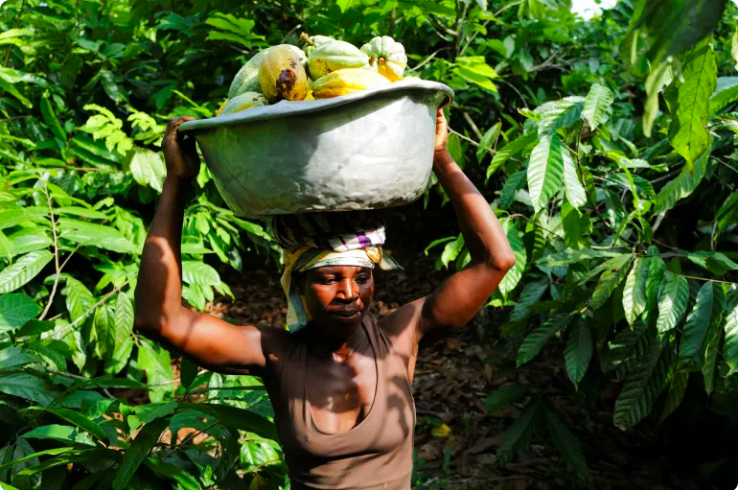
Climate Crisis Driving Global Food Price Spikes, Scientists Warn
Extreme weather events driven by climate change are causing food prices to surge around the globe, affecting everything from South Korean cabbage to Ghanaian cocoa, according to a landmark new report by international scientists. The study, released ahead of the United Nations Food Systems Summit in Addis Ababa, underscores how increasingly frequent heatwaves, floods, and droughts are already undermining global food security and pushing millions into financial strain.
The research, conducted by six European scientific institutions in collaboration with the European Central Bank, analysed the direct link between recent climate extremes and subsequent spikes in food prices. Their findings show that no region is immune, and that low-income families are bearing the brunt of the crisis.
Register for Tekedia Mini-MBA edition 20 (June 8 – Sept 5, 2026).
Register for Tekedia AI in Business Masterclass.
Join Tekedia Capital Syndicate and co-invest in great global startups.
Register for Tekedia AI Lab.
From Cocoa to Cabbage: A Global Picture of Climate-Induced Inflation
Since 2022, many staple and cash crops have experienced dramatic price surges following extreme weather. One of the most striking examples is the 280% rise in global cocoa prices in April 2024, directly linked to a severe heatwave in Ghana and Ivory Coast, the two largest producers of the crop.
Similarly, Australia experienced a 300% increase in lettuce prices after major floods in 2022 damaged large parts of the country’s agricultural zones. Meanwhile, rice prices in Japan rose by 48% in September 2024 following a scorching heatwave, while South Korea saw a 70% jump in cabbage prices during the same period. In India, potato prices skyrocketed by 81% in early 2024 due to weather anomalies affecting crop yields.

Droughts have also played a significant role. In Brazil, a 2023 drought preceded a 55% increase in coffee prices the following year. Likewise, Ethiopia experienced a 40% hike in overall food prices in 2023 after a severe drought hit the country in 2022.
A Wake-Up Call for Global Leaders
The timing of the report is significant. It comes just days before the UN Food Systems Summit, co-hosted by Ethiopia and Italy from July 27 to 29, where global leaders will address strategies for sustainable agriculture and food access amid worsening climate change. The event is expected to highlight the urgency of food system reforms and accelerate action toward climate resilience.

Dr. Maximillian Kotz, the lead author of the report from the Barcelona Supercomputing Center, emphasised the urgency of cutting emissions to avoid deeper food crises. “Until we get to net zero emissions, extreme weather will only get worse — but it’s already damaging crops and pushing up the price of food all over the world,” he said.
He added that rising food prices are now the second most visible impact of climate change in people’s lives, after extreme heat itself. The report particularly stresses the disproportionate impact on low-income households, for whom even modest price increases can lead to food insecurity.
Political Impacts: Climate and the Ballot Box
The food price crisis is not just an economic issue — it's becoming a political flashpoint. In Japan, the sharp rise in rice prices influenced voters in this weekend’s elections. Similar sentiments were echoed in the United States, the United Kingdom, and Argentina, where rising grocery bills were front and centre during the 2023 and 2024 election cycles.
In the UK, the Energy and Climate Intelligence Unit (ECIU) estimated that climate change added £360 ($482) to the average household food bill across 2022 and 2023 alone. Amber Sawyer, a co-author of the report, pointed out that the UK had its third worst arable harvest on record last year, with England suffering its second worst, both worsened by intense rainfall events.
“The link is clear: climate change is not only affecting the environment, but it’s hitting people’s wallets — especially through the food they eat every day,” Sawyer said.
A Gap Between Climate Pledges and Reality
Despite growing evidence of the climate crisis’s toll on agriculture, global commitments to curb emissions remain insufficient. Under the UN Framework Convention on Climate Change (UNFCCC), countries have pledged to cut emissions by only 2.6% from 2019 to 2030 — far short of what's needed to meet the Paris Agreement target of limiting global warming to 1.5°C above pre-industrial levels.
Climate scientists and policy experts continue to warn that current efforts will not avert the most catastrophic consequences, including widespread food insecurity, unless global ambition ramps up significantly.
Adding to the growing international pressure, the International Court of Justice (ICJ) is expected to deliver a landmark advisory opinion on states’ legal obligations to act on climate change this week. The case, brought by Vanuatu and supported by numerous Global South nations, could reshape the legal accountability of major emitters and bring new momentum to international climate policy.
A Crisis With No Borders
What the new report makes painfully clear is that the climate crisis is not a distant or future threat — it is here, and it is global. From the rice paddies of Japan to the cocoa farms of Ghana, from small vegetable growers in Australia to coffee plantations in Brazil, climate change is disrupting food production, destabilising markets, and increasing economic inequality.
If unchecked, the trend could result in more frequent and intense price shocks, threatening food security, political stability, and public health worldwide.
Climate Crisis Driving Global Food Price Spikes, Scientists Warn
Extreme weather events driven by climate change are causing food prices to surge around the globe, affecting everything from South Korean cabbage to Ghanaian cocoa, according to a landmark new report by international scientists. The study, released ahead of the United Nations Food Systems Summit in Addis Ababa, underscores how increasingly frequent heatwaves, floods, and droughts are already undermining global food security and pushing millions into financial strain.
The research, conducted by six European scientific institutions in collaboration with the European Central Bank, analysed the direct link between recent climate extremes and subsequent spikes in food prices. Their findings show that no region is immune, and that low-income families are bearing the brunt of the crisis.
From Cocoa to Cabbage: A Global Picture of Climate-Induced Inflation
Since 2022, many staple and cash crops have experienced dramatic price surges following extreme weather. One of the most striking examples is the 280% rise in global cocoa prices in April 2024, directly linked to a severe heatwave in Ghana and Ivory Coast, the two largest producers of the crop.
Similarly, Australia experienced a 300% increase in lettuce prices after major floods in 2022 damaged large parts of the country’s agricultural zones. Meanwhile, rice prices in Japan rose by 48% in September 2024 following a scorching heatwave, while South Korea saw a 70% jump in cabbage prices during the same period. In India, potato prices skyrocketed by 81% in early 2024 due to weather anomalies affecting crop yields.
Droughts have also played a significant role. In Brazil, a 2023 drought preceded a 55% increase in coffee prices the following year. Likewise, Ethiopia experienced a 40% hike in overall food prices in 2023 after a severe drought hit the country in 2022.
A Wake-Up Call for Global Leaders
The timing of the report is significant. It comes just days before the UN Food Systems Summit, co-hosted by Ethiopia and Italy from July 27 to 29, where global leaders will address strategies for sustainable agriculture and food access amid worsening climate change. The event is expected to highlight the urgency of food system reforms and accelerate action toward climate resilience.
Dr. Maximillian Kotz, the lead author of the report from the Barcelona Supercomputing Center, emphasised the urgency of cutting emissions to avoid deeper food crises. “Until we get to net zero emissions, extreme weather will only get worse — but it’s already damaging crops and pushing up the price of food all over the world,” he said.
He added that rising food prices are now the second most visible impact of climate change in people’s lives, after extreme heat itself. The report particularly stresses the disproportionate impact on low-income households, for whom even modest price increases can lead to food insecurity.
Political Impacts: Climate and the Ballot Box
The food price crisis is not just an economic issue — it's becoming a political flashpoint. In Japan, the sharp rise in rice prices influenced voters in this weekend’s elections. Similar sentiments were echoed in the United States, the United Kingdom, and Argentina, where rising grocery bills were front and centre during the 2023 and 2024 election cycles.
In the UK, the Energy and Climate Intelligence Unit (ECIU) estimated that climate change added £360 ($482) to the average household food bill across 2022 and 2023 alone. Amber Sawyer, a co-author of the report, pointed out that the UK had its third worst arable harvest on record last year, with England suffering its second worst, both worsened by intense rainfall events.
“The link is clear: climate change is not only affecting the environment, but it’s hitting people’s wallets — especially through the food they eat every day,” Sawyer said.
A Gap Between Climate Pledges and Reality
Despite growing evidence of the climate crisis’s toll on agriculture, global commitments to curb emissions remain insufficient. Under the UN Framework Convention on Climate Change (UNFCCC), countries have pledged to cut emissions by only 2.6% from 2019 to 2030 — far short of what's needed to meet the Paris Agreement target of limiting global warming to 1.5°C above pre-industrial levels.
Climate scientists and policy experts continue to warn that current efforts will not avert the most catastrophic consequences, including widespread food insecurity, unless global ambition ramps up significantly.
Adding to the growing international pressure, the International Court of Justice (ICJ) is expected to deliver a landmark advisory opinion on states’ legal obligations to act on climate change this week. The case, brought by Vanuatu and supported by numerous Global South nations, could reshape the legal accountability of major emitters and bring new momentum to international climate policy.
A Crisis With No Borders
What the new report makes painfully clear is that the climate crisis is not a distant or future threat — it is here, and it is global. From the rice paddies of Japan to the cocoa farms of Ghana, from small vegetable growers in Australia to coffee plantations in Brazil, climate change is disrupting food production, destabilising markets, and increasing economic inequality.
If unchecked, the trend could result in more frequent and intense price shocks, threatening food security, political stability, and public health worldwide.
Final Thought
The climate crisis is no longer a distant threat — it’s already reshaping the cost and availability of the food we rely on every day. From cocoa to coffee, rice to potatoes, extreme weather events are pushing global food prices to new highs, deepening inequality and straining household budgets, especially for the world’s most vulnerable. If global leaders fail to act decisively on emissions and climate resilience, these price spikes won’t be isolated events — they’ll become the new normal. The choices made now will determine whether future generations face scarcity or sustainability at the dinner table.
Conclusion
The soaring cost of food caused by climate change is a stark reminder that environmental degradation is no longer just an ecological issue — it's a human one. As the world prepares to gather in Addis Ababa for the UN Food Systems Summit, leaders must recognise that securing the future of food requires urgent, coordinated action on emissions, adaptation, and resilience. Without it, the everyday staples we rely on may become unaffordable luxuries for millions. The time to act is not tomorrow, but today.
Uploaded files:Share this:
- Click to share on Facebook (Opens in new window) Facebook
- Click to share on X (Opens in new window) X
- Click to share on WhatsApp (Opens in new window) WhatsApp
- Click to share on LinkedIn (Opens in new window) LinkedIn
- Click to email a link to a friend (Opens in new window) Email
- Click to print (Opens in new window) Print