

Drone Attacks Leave Odesa in Darkness – Thousands Without Power & Heat

Quote from Alex Bobby on February 20, 2025, 3:36 AM
Ukraine's Odesa Plunged Into Darkness After Devastating Russian Drone Attacks
For the second consecutive night, the Ukrainian port city of Odesa found itself under siege as Russia launched another massive drone attack, leaving thousands of residents without electricity and heating. As the winter cold grips the region, the humanitarian impact of these relentless assaults continues to deepen, exacerbating an already dire situation for civilians caught in the crossfire.
Massive Power Outages and Infrastructure Damage
In his Wednesday night address to the nation, Ukrainian President Volodymyr Zelenskyy confirmed that repair efforts were underway to restore power to approximately 80,000 residents affected by the strikes. An equal number of people were left without heating, further compounding the challenges faced by Odesa’s population.
Governor Oleh Kiper provided more details via Telegram, revealing that the drone strikes had severely damaged an administration building and ignited fires at a restaurant and a storage facility. One person was reported injured as a result of the attacks. The targeted civilian infrastructure highlights Russia’s continued efforts to cripple Ukraine’s energy network, a tactic that has been increasingly employed as winter conditions make energy supplies even more critical.
Ongoing Assaults Leave Casualties and Widespread Destruction
Tuesday’s attack had already inflicted heavy losses on the city’s infrastructure, with four people injured, including a child. Authorities reported that heating supplies to 500 apartment buildings, 13 schools, a kindergarten, and several hospitals were disrupted. With temperatures dropping, residents are now struggling to cope with freezing conditions without heating or electricity.
The situation in Odesa is reflective of the wider devastation occurring across Ukraine. In the northeastern city of Kupiansk, a Russian-guided bomb claimed the life of one person on Wednesday, with two others sustaining injuries in a separate attack on a village south of the city. The precision bombing of residential areas has raised concerns about the increasing intensity of Moscow’s aerial campaigns and their direct impact on civilians.
Meanwhile, in the southern Ukrainian city of Kherson, guided bombs struck an apartment building, leaving three people injured, including a pair of 13-year-old twins. The targeting of residential structures has amplified the humanitarian crisis, as thousands of families are forced to live under the constant threat of aerial bombardment.
Cross-Border Escalation: Ukraine’s Retaliatory Strikes
As Ukraine continues to bear the brunt of relentless Russian assaults, Ukrainian forces have also launched counterattacks. In Russia’s border region of Belgorod, a Ukrainian drone strike reportedly killed one man, according to regional governor Vyacheslav Gladkov. The cross-border nature of these attacks signals an escalation in hostilities, further destabilizing the region.
Humanitarian Crisis Deepens
The latest attacks on Odesa and other Ukrainian cities underscore the ongoing humanitarian crisis, with thousands of civilians facing power shortages, heating disruptions, and increasing casualties. The destruction of energy infrastructure is not only a military tactic but also a deliberate effort to weaken civilian morale and plunge Ukraine into a state of prolonged suffering.
International humanitarian organizations have expressed deep concern over the continuous targeting of civilian areas. Efforts to deliver aid, provide alternative heating solutions, and repair damaged power grids are being carried out under extremely challenging conditions. The Ukrainian government has called for increased global support, emphasizing the urgency of protecting energy infrastructure and shielding civilians from further attacks.
International Response and Future Outlook
The ongoing Russian aggression has prompted renewed calls for stronger international intervention and additional military aid to Ukraine. As global leaders deliberate on their next steps, Ukrainian forces continue to defend their cities, striving to rebuild amid the chaos.
The resilience of Odesa’s residents remains unwavering despite the severe hardships they face. However, the repeated attacks on civilian infrastructure highlight the pressing need for enhanced defense capabilities and more robust humanitarian assistance. As winter continues to tighten its grip, the battle for survival becomes ever more desperate.
The world watches as Ukraine endures yet another wave of destruction, with Odesa now a grim symbol of both defiance and suffering. The question remains: how much longer can civilians withstand the relentless assaults, and what will it take for peace to finally be restored?
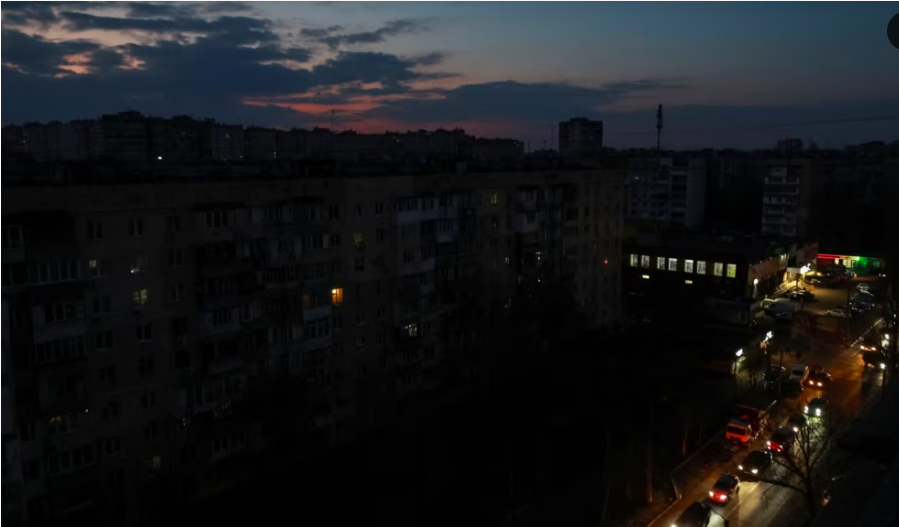
Ukraine's Odesa Plunged Into Darkness After Devastating Russian Drone Attacks
For the second consecutive night, the Ukrainian port city of Odesa found itself under siege as Russia launched another massive drone attack, leaving thousands of residents without electricity and heating. As the winter cold grips the region, the humanitarian impact of these relentless assaults continues to deepen, exacerbating an already dire situation for civilians caught in the crossfire.
Massive Power Outages and Infrastructure Damage
In his Wednesday night address to the nation, Ukrainian President Volodymyr Zelenskyy confirmed that repair efforts were underway to restore power to approximately 80,000 residents affected by the strikes. An equal number of people were left without heating, further compounding the challenges faced by Odesa’s population.
Register for Tekedia Mini-MBA edition 20 (June 8 – Sept 5, 2026).
Register for Tekedia AI in Business Masterclass.
Join Tekedia Capital Syndicate and co-invest in great global startups.
Register for Tekedia AI Lab.
Governor Oleh Kiper provided more details via Telegram, revealing that the drone strikes had severely damaged an administration building and ignited fires at a restaurant and a storage facility. One person was reported injured as a result of the attacks. The targeted civilian infrastructure highlights Russia’s continued efforts to cripple Ukraine’s energy network, a tactic that has been increasingly employed as winter conditions make energy supplies even more critical.
Ongoing Assaults Leave Casualties and Widespread Destruction
Tuesday’s attack had already inflicted heavy losses on the city’s infrastructure, with four people injured, including a child. Authorities reported that heating supplies to 500 apartment buildings, 13 schools, a kindergarten, and several hospitals were disrupted. With temperatures dropping, residents are now struggling to cope with freezing conditions without heating or electricity.
The situation in Odesa is reflective of the wider devastation occurring across Ukraine. In the northeastern city of Kupiansk, a Russian-guided bomb claimed the life of one person on Wednesday, with two others sustaining injuries in a separate attack on a village south of the city. The precision bombing of residential areas has raised concerns about the increasing intensity of Moscow’s aerial campaigns and their direct impact on civilians.

Meanwhile, in the southern Ukrainian city of Kherson, guided bombs struck an apartment building, leaving three people injured, including a pair of 13-year-old twins. The targeting of residential structures has amplified the humanitarian crisis, as thousands of families are forced to live under the constant threat of aerial bombardment.
Cross-Border Escalation: Ukraine’s Retaliatory Strikes
As Ukraine continues to bear the brunt of relentless Russian assaults, Ukrainian forces have also launched counterattacks. In Russia’s border region of Belgorod, a Ukrainian drone strike reportedly killed one man, according to regional governor Vyacheslav Gladkov. The cross-border nature of these attacks signals an escalation in hostilities, further destabilizing the region.
Humanitarian Crisis Deepens
The latest attacks on Odesa and other Ukrainian cities underscore the ongoing humanitarian crisis, with thousands of civilians facing power shortages, heating disruptions, and increasing casualties. The destruction of energy infrastructure is not only a military tactic but also a deliberate effort to weaken civilian morale and plunge Ukraine into a state of prolonged suffering.

International humanitarian organizations have expressed deep concern over the continuous targeting of civilian areas. Efforts to deliver aid, provide alternative heating solutions, and repair damaged power grids are being carried out under extremely challenging conditions. The Ukrainian government has called for increased global support, emphasizing the urgency of protecting energy infrastructure and shielding civilians from further attacks.
International Response and Future Outlook
The ongoing Russian aggression has prompted renewed calls for stronger international intervention and additional military aid to Ukraine. As global leaders deliberate on their next steps, Ukrainian forces continue to defend their cities, striving to rebuild amid the chaos.
The resilience of Odesa’s residents remains unwavering despite the severe hardships they face. However, the repeated attacks on civilian infrastructure highlight the pressing need for enhanced defense capabilities and more robust humanitarian assistance. As winter continues to tighten its grip, the battle for survival becomes ever more desperate.
The world watches as Ukraine endures yet another wave of destruction, with Odesa now a grim symbol of both defiance and suffering. The question remains: how much longer can civilians withstand the relentless assaults, and what will it take for peace to finally be restored?
Uploaded files:Share this:
- Click to share on Facebook (Opens in new window) Facebook
- Click to share on X (Opens in new window) X
- Click to share on WhatsApp (Opens in new window) WhatsApp
- Click to share on LinkedIn (Opens in new window) LinkedIn
- Click to email a link to a friend (Opens in new window) Email
- Click to print (Opens in new window) Print