

Eartha Kitt: The Unstoppable Icon Who Defied Barriers in Hollywood and Activism

Quote from Alex Bobby on February 25, 2025, 6:14 AM
Eartha Kitt: The Rise of a Timeless Icon
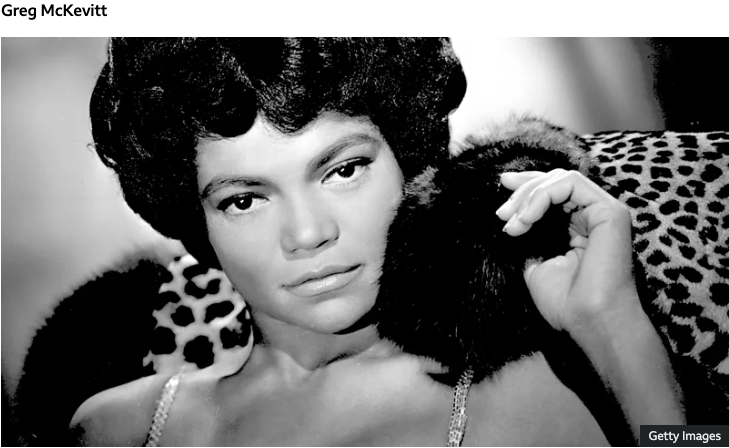
Eartha Kitt was a force of nature—sultry, sophisticated, and magnetic. Her charisma on stage and screen, paired with her unmistakable voice, made her one of the most celebrated entertainers of her time. However, beneath the glitz and glamour lay a harrowing past that shaped her into the resilient star she became. From an impoverished childhood to becoming the first Black Catwoman, Kitt’s journey was as remarkable as it was inspiring.
A Difficult Beginning
Born Eartha Mae Keith on January 17, 1927, in a South Carolina cotton plantation, Kitt's early years were marked by hardship. She never knew her father, and her mother left her to be raised by various relatives. Poverty was a constant companion, and in a 1971 interview with BBC Wales' Late Call, Kitt recalled surviving on wild plants and onions dug from the ground. Despite these struggles, her childhood experiences instilled in her a deep sense of perseverance.
Her abandonment by her mother left a lasting impact. Speaking candidly, Kitt revealed that this rejection gave her a lifelong feeling of being unwanted: “If my mother gives me away, she doesn’t want me. So why should anybody want me?” Even in adulthood, she struggled to come to terms with her mother’s decision. Her daughter, Kitt Shapiro, later disclosed that Eartha never learned the identity of her white father, as his name was deliberately removed from her birth certificate.
Breaking Barriers in Entertainment
Despite the obstacles she faced, Kitt’s talent could not be denied. She joined Katherine Dunham’s pioneering African-American dance company, which led to her Broadway debut at just 19 years old. From there, she became a cabaret sensation in London and Paris, captivating audiences with her smoldering performances of songs like Santa Baby, Just an Old-Fashioned Girl, and I Want to Be Evil.
In 1967, Kitt took on the iconic role of Catwoman in the third season of Batman, making history as the first Black woman to portray the character. Her feline grace and sensuality captivated audiences, further cementing her status as an entertainment icon. Decades later, she continued to capture hearts as the voice of the villainous Yzma in Disney’s The Emperor’s New Groove (2000), introducing her talents to a new generation.
A Fierce Voice for Justice
Kitt was not just a performer—she was a woman unafraid to speak her mind. This outspokenness, however, came at a cost. In 1968, she attended a White House luncheon hosted by First Lady Lady Bird Johnson, where she boldly criticised the Vietnam War: “You send the best of this country off to be shot and maimed. They rebel in the street… They don’t want to go to school because they’re going to be snatched off from their mothers to be shot in Vietnam.”
Her words shocked the establishment, leading to a CIA dossier branding her a “sadistic nymphomaniac.” This blacklisting severely impacted her career in the U.S., forcing her to seek work in Europe and Britain. Yet, Kitt remained steadfast, later saying, “What has that got to do with the CIA if I was?” Her resilience paid off—she made a triumphant return to Broadway in 1978 with Timbuktu! and continued to perform well into her later years.
Identity and Belonging
Throughout her life, Kitt struggled with questions of identity. As a woman of mixed heritage—part African-American, part Cherokee, and with a white father—she often felt like an outsider. She once remarked, “I think of myself as being a person who belongs to everybody… as long as you feel in terms of belonging only to one race, one nationality, one religion, that you have to be prejudiced.”
Her global travels reinforced her belief that economic disparity, rather than race, was the true root of inequality. “When we recognise that no matter what color or religion you belong to, you are capable of gaining as much as the next person, the situation would be much healthier,” she stated.
A Life of Love and Legacy
Kitt’s personal life was as complex as her career. She married businessman Bill McDonald in 1960, but the union lasted less than four years, and she never remarried. Her greatest love was her daughter, Kitt Shapiro, whom she took everywhere. Having felt abandoned as a child, Kitt was determined to give her daughter the love she had longed for.
Despite her fame, she never lost touch with her roots. When a BBC reporter asked her how she related to working-class people despite her celebrity status, she responded, “I wasn’t born in such a different world. I came out of extreme poverty. I have acquired things, yes. The things have not acquired me.”
Kitt passed away on Christmas Day in 2008, leaving behind a legacy of artistry, activism, and authenticity. She once said that the love of her fans made her feel “like a worthwhile person.” And indeed, through her music, her performances, and her fearless spirit, Eartha Kitt proved she was more than worthwhile—she was unforgettable.
conclusion
effectively captures Eartha Kitt's lasting impact, but you could reinforce it with a final statement that highlights her influence on future generations. For example:
"Eartha Kitt’s legacy is one of resilience, artistry, and fearless individuality. She defied societal constraints, shattered racial barriers, and redefined what it meant to be a powerful woman in entertainment. From the depths of poverty to the heights of stardom, she proved that talent and determination could overcome even the harshest beginnings. Her voice—both in song and activism—continues to inspire, ensuring that her influence will never fade."
Eartha Kitt: The Rise of a Timeless Icon
Eartha Kitt was a force of nature—sultry, sophisticated, and magnetic. Her charisma on stage and screen, paired with her unmistakable voice, made her one of the most celebrated entertainers of her time. However, beneath the glitz and glamour lay a harrowing past that shaped her into the resilient star she became. From an impoverished childhood to becoming the first Black Catwoman, Kitt’s journey was as remarkable as it was inspiring.
A Difficult Beginning
Register for Tekedia Mini-MBA edition 20 (June 8 – Sept 5, 2026).
Register for Tekedia AI in Business Masterclass.
Join Tekedia Capital Syndicate and co-invest in great global startups.
Register for Tekedia AI Lab.
Born Eartha Mae Keith on January 17, 1927, in a South Carolina cotton plantation, Kitt's early years were marked by hardship. She never knew her father, and her mother left her to be raised by various relatives. Poverty was a constant companion, and in a 1971 interview with BBC Wales' Late Call, Kitt recalled surviving on wild plants and onions dug from the ground. Despite these struggles, her childhood experiences instilled in her a deep sense of perseverance.
Her abandonment by her mother left a lasting impact. Speaking candidly, Kitt revealed that this rejection gave her a lifelong feeling of being unwanted: “If my mother gives me away, she doesn’t want me. So why should anybody want me?” Even in adulthood, she struggled to come to terms with her mother’s decision. Her daughter, Kitt Shapiro, later disclosed that Eartha never learned the identity of her white father, as his name was deliberately removed from her birth certificate.
Breaking Barriers in Entertainment

Despite the obstacles she faced, Kitt’s talent could not be denied. She joined Katherine Dunham’s pioneering African-American dance company, which led to her Broadway debut at just 19 years old. From there, she became a cabaret sensation in London and Paris, captivating audiences with her smoldering performances of songs like Santa Baby, Just an Old-Fashioned Girl, and I Want to Be Evil.
In 1967, Kitt took on the iconic role of Catwoman in the third season of Batman, making history as the first Black woman to portray the character. Her feline grace and sensuality captivated audiences, further cementing her status as an entertainment icon. Decades later, she continued to capture hearts as the voice of the villainous Yzma in Disney’s The Emperor’s New Groove (2000), introducing her talents to a new generation.
A Fierce Voice for Justice

Kitt was not just a performer—she was a woman unafraid to speak her mind. This outspokenness, however, came at a cost. In 1968, she attended a White House luncheon hosted by First Lady Lady Bird Johnson, where she boldly criticised the Vietnam War: “You send the best of this country off to be shot and maimed. They rebel in the street… They don’t want to go to school because they’re going to be snatched off from their mothers to be shot in Vietnam.”
Her words shocked the establishment, leading to a CIA dossier branding her a “sadistic nymphomaniac.” This blacklisting severely impacted her career in the U.S., forcing her to seek work in Europe and Britain. Yet, Kitt remained steadfast, later saying, “What has that got to do with the CIA if I was?” Her resilience paid off—she made a triumphant return to Broadway in 1978 with Timbuktu! and continued to perform well into her later years.
Identity and Belonging
Throughout her life, Kitt struggled with questions of identity. As a woman of mixed heritage—part African-American, part Cherokee, and with a white father—she often felt like an outsider. She once remarked, “I think of myself as being a person who belongs to everybody… as long as you feel in terms of belonging only to one race, one nationality, one religion, that you have to be prejudiced.”
Her global travels reinforced her belief that economic disparity, rather than race, was the true root of inequality. “When we recognise that no matter what color or religion you belong to, you are capable of gaining as much as the next person, the situation would be much healthier,” she stated.
A Life of Love and Legacy
Kitt’s personal life was as complex as her career. She married businessman Bill McDonald in 1960, but the union lasted less than four years, and she never remarried. Her greatest love was her daughter, Kitt Shapiro, whom she took everywhere. Having felt abandoned as a child, Kitt was determined to give her daughter the love she had longed for.
Despite her fame, she never lost touch with her roots. When a BBC reporter asked her how she related to working-class people despite her celebrity status, she responded, “I wasn’t born in such a different world. I came out of extreme poverty. I have acquired things, yes. The things have not acquired me.”
Kitt passed away on Christmas Day in 2008, leaving behind a legacy of artistry, activism, and authenticity. She once said that the love of her fans made her feel “like a worthwhile person.” And indeed, through her music, her performances, and her fearless spirit, Eartha Kitt proved she was more than worthwhile—she was unforgettable.
conclusion
effectively captures Eartha Kitt's lasting impact, but you could reinforce it with a final statement that highlights her influence on future generations. For example:
"Eartha Kitt’s legacy is one of resilience, artistry, and fearless individuality. She defied societal constraints, shattered racial barriers, and redefined what it meant to be a powerful woman in entertainment. From the depths of poverty to the heights of stardom, she proved that talent and determination could overcome even the harshest beginnings. Her voice—both in song and activism—continues to inspire, ensuring that her influence will never fade."
Uploaded files:Share this:
- Click to share on Facebook (Opens in new window) Facebook
- Click to share on X (Opens in new window) X
- Click to share on WhatsApp (Opens in new window) WhatsApp
- Click to share on LinkedIn (Opens in new window) LinkedIn
- Click to email a link to a friend (Opens in new window) Email
- Click to print (Opens in new window) Print