

Ethiopians Celebrate New Year 2018 with Enkutatash Festivities Across the Country

Quote from Alex Bobby on September 12, 2025, 6:32 AM
Party Like It’s 2018: Ethiopians Celebrate Their New Year
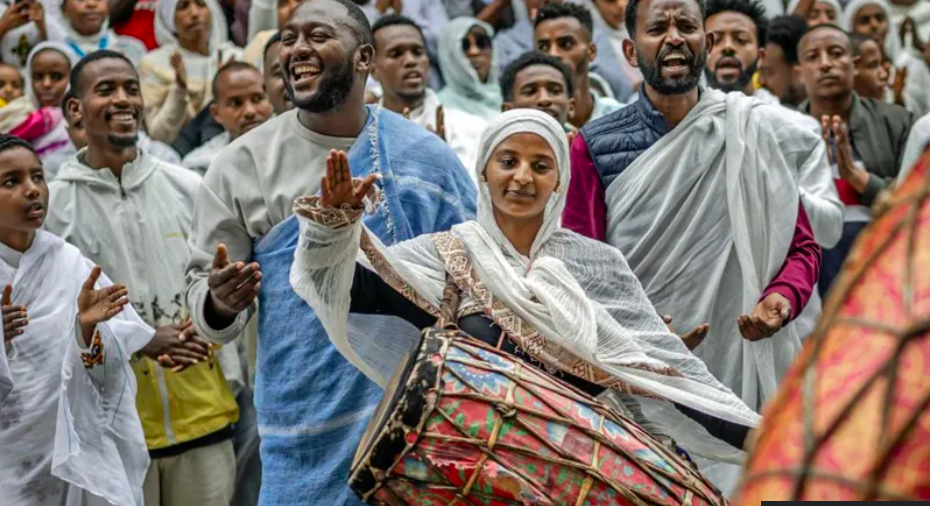
Ethiopia is ringing in the New Year — 2018 by the country’s unique calendar, which lags seven years behind the Gregorian calendar used in much of the world. Known as Enkutatash, this vibrant celebration is a time for renewal, unity, and festivity, and it is observed across the nation with music, feasts, and cultural rituals.
Unlike many New Year celebrations around the globe, Enkutatash is not tied strictly to the church. It is a nationwide event, embraced by people of all backgrounds, offering a moment for families, friends, and communities to come together. Addis Ababa, the capital, transforms into a bustling hub of activity as vendors and residents prepare for the festivities.
Markets Abuzz With Preparations
In the days leading up to the New Year, markets across Addis Ababa, including the popular Addisu Gebeya, are alive with shoppers and vendors. Despite rain, crowds throng the streets, stocking up for the celebrations. Vendors arrive from rural areas with a wide variety of goods — from Adey Ababa, a local plant used in traditional ceremonies, to freshly cut grass and flowers, both integral to Ethiopian coffee rituals.
Coffee holds a special place in Ethiopian culture. Widely considered the birthplace of coffee, Ethiopia celebrates the beverage through elaborate ceremonies. At these events, coffee beans are roasted over open fires, ground by hand, and brewed in clay pots. The use of grass and flowers during the ceremonies adds a festive and fragrant atmosphere, linking the modern celebration of the New Year to deep-rooted cultural traditions.
Feasts, Livestock, and Culinary Traditions
Food plays a central role in Enkutatash. Families prepare elaborate meals that reflect both the season and their resources. For those celebrating on a budget, chicken is the mainstay, used to cook the traditional spicy stew doro wat, served with injera, Ethiopia’s signature fermented flatbread. Tamirat Dejene, a 19-year-old from the small town of Chancho, traveled 40 kilometres north of Addis Ababa to sell his chickens. “I’m doing a roaring trade,” he told the BBC, with hens selling between 2,000 and 3,000 birr ($14–$20).
For wealthier households, mutton and sheep often take centre stage. Sheep, festively decorated with ribbons, sell for 15,000 to 22,000 birr ($105–$155), while some families even purchase oxen for grand feasts, costing as much as 300,000 birr ($2,000). Regardless of budget, the Enkutatash meal is a communal affair, shared with family and friends at lunch, dinner, or both.
Music, Concerts, and City Festivities
As evening falls on New Year’s Eve, the focus shifts from kitchens to entertainment. Residents head to concerts and live music venues to welcome the new year with song and celebration. Hotels and lounges across Addis Ababa host bands that play into the night, with sparklers and fireworks marking the moment when the clock strikes midnight.
On New Year’s Day itself, the city awakens to the sound of “Abebayehosh”, a traditional song performed by young girls who go door-to-door in many neighbourhood’s. The song, deeply rooted in Ethiopian culture, embodies the spirit of renewal, hope, and community. Later in the day, Orthodox Christians attend church services, further linking the celebrations to spiritual reflection. Vendors set up stalls near churches selling ceremonial umbrellas and other ritual items, blending tradition with festivity.
The Ethiopian Calendar: A Unique Perspective on Time
One of the most fascinating aspects of the Ethiopian New Year is the calendar itself. Ethiopia operates on a system that differs from the Western Gregorian calendar. When locals speak in Amharic or other native languages, the year is 2018, while in English, people automatically refer to 2025. The calendar also has 13 months, with the first 12 months containing 30 days each and the 13th month, Pagume, consisting of five days—or six in a leap year.
Enkutatash also coincides with the end of the rainy season and the arrival of spring, making it a time of optimism, new beginnings, and a connection to the cycles of nature. The celebrations mark not only a temporal milestone but also a symbolic transition from hardship to hope.
Unity, Pride, and National Milestones
This year, Enkutatash carried an extra layer of significance. Celebrations occurred against the backdrop of the Grand Ethiopian Renaissance Dam (GERD), formally launched earlier this week. Constructed on a tributary of the Nile, the dam represents a major national achievement and has inspired a sense of unity and pride across the country. As Ethiopians welcomed 2018, many reflected on their shared progress and the possibilities ahead, intertwining cultural heritage with national aspirations.
A Time for Renewal and Celebration
Enkutatash is more than just a New Year; it is a celebration of life, community, and Ethiopian identity. Families gather, friends share meals, music fills the streets, and traditions that date back centuries are observed with joy and reverence. Whether it’s roasting coffee beans, performing traditional songs, or dancing at concerts, Ethiopians embrace the New Year with a spirit of renewal, optimism, and cultural pride.
The combination of traditional rituals, modern entertainment, and communal feasting reflects a society that honors its past while looking forward to the future. The 2018 celebrations demonstrate how Ethiopia’s unique calendar, culinary traditions, music, and social customs all converge to create a rich tapestry of national life.
Looking Forward
As Ethiopians welcome 2018, the New Year offers more than a moment of celebration—it is a time for reflection, hope, and renewal. With spring arriving and the rainy season ending, communities across the country embrace the season of growth and new beginnings.
The launch of the Grand Ethiopian Renaissance Dam (GERD) adds a national sense of pride and unity, reinforcing the message that Ethiopia is moving forward both culturally and economically. Families, young people, and communities are likely to carry the optimism of Enkutatash throughout the year, strengthening social bonds and deepening appreciation for the country’s rich traditions.
Looking ahead, the holiday continues to serve as a reminder of Ethiopia’s resilience, its vibrant cultural heritage, and the enduring joy of gathering together to celebrate life, hope, and shared achievement.
Final Thoughts
Enkutatash, Ethiopia’s New Year, is a celebration that beautifully blends tradition, community, and optimism. From bustling markets in Addis Ababa to intimate family feasts, music-filled streets, and time-honoured coffee ceremonies, the holiday reflects the nation’s rich cultural heritage and enduring sense of togetherness.
This year’s celebrations carried an added significance with the launch of the Grand Ethiopian Renaissance Dam, symbolising national progress and unity. As Ethiopians usher in 2018, the festival serves as a reminder of resilience, renewal, and hope for the future—celebrating both personal and collective achievements while looking forward to a year filled with opportunity and shared prosperity.
Conclusion
Ethiopia’s Enkutatash is a vivid reminder of the country’s vibrant culture, historical depth, and communal values. From bustling markets in Addis Ababa to intimate family feasts, the holiday embodies unity, celebration, and the optimism of a new beginning. With its unique calendar, 13-month structure, and deep connection to nature and tradition, the Ethiopian New Year remains a celebration unlike any other, combining heritage, festivity, and hope in equal measure.
This year, the celebrations were even more meaningful as Ethiopians reflected on both personal and national achievements, from family gatherings to the launch of the GERD, ushering in 2018 with joy, pride, and a renewed sense of possibility.
Meta Description:
Ethiopia welcomes its New Year 2018 with vibrant Enkutatash celebrations, featuring traditional coffee ceremonies, festive markets, music, and national pride following the launch of the Grand Ethiopian Renaissance Dam.
Party Like It’s 2018: Ethiopians Celebrate Their New Year
Ethiopia is ringing in the New Year — 2018 by the country’s unique calendar, which lags seven years behind the Gregorian calendar used in much of the world. Known as Enkutatash, this vibrant celebration is a time for renewal, unity, and festivity, and it is observed across the nation with music, feasts, and cultural rituals.
Unlike many New Year celebrations around the globe, Enkutatash is not tied strictly to the church. It is a nationwide event, embraced by people of all backgrounds, offering a moment for families, friends, and communities to come together. Addis Ababa, the capital, transforms into a bustling hub of activity as vendors and residents prepare for the festivities.
Register for Tekedia Mini-MBA edition 20 (June 8 – Sept 5, 2026).
Register for Tekedia AI in Business Masterclass.
Join Tekedia Capital Syndicate and co-invest in great global startups.
Register for Tekedia AI Lab.
Markets Abuzz With Preparations
In the days leading up to the New Year, markets across Addis Ababa, including the popular Addisu Gebeya, are alive with shoppers and vendors. Despite rain, crowds throng the streets, stocking up for the celebrations. Vendors arrive from rural areas with a wide variety of goods — from Adey Ababa, a local plant used in traditional ceremonies, to freshly cut grass and flowers, both integral to Ethiopian coffee rituals.
Coffee holds a special place in Ethiopian culture. Widely considered the birthplace of coffee, Ethiopia celebrates the beverage through elaborate ceremonies. At these events, coffee beans are roasted over open fires, ground by hand, and brewed in clay pots. The use of grass and flowers during the ceremonies adds a festive and fragrant atmosphere, linking the modern celebration of the New Year to deep-rooted cultural traditions.

Feasts, Livestock, and Culinary Traditions
Food plays a central role in Enkutatash. Families prepare elaborate meals that reflect both the season and their resources. For those celebrating on a budget, chicken is the mainstay, used to cook the traditional spicy stew doro wat, served with injera, Ethiopia’s signature fermented flatbread. Tamirat Dejene, a 19-year-old from the small town of Chancho, traveled 40 kilometres north of Addis Ababa to sell his chickens. “I’m doing a roaring trade,” he told the BBC, with hens selling between 2,000 and 3,000 birr ($14–$20).
For wealthier households, mutton and sheep often take centre stage. Sheep, festively decorated with ribbons, sell for 15,000 to 22,000 birr ($105–$155), while some families even purchase oxen for grand feasts, costing as much as 300,000 birr ($2,000). Regardless of budget, the Enkutatash meal is a communal affair, shared with family and friends at lunch, dinner, or both.

Music, Concerts, and City Festivities
As evening falls on New Year’s Eve, the focus shifts from kitchens to entertainment. Residents head to concerts and live music venues to welcome the new year with song and celebration. Hotels and lounges across Addis Ababa host bands that play into the night, with sparklers and fireworks marking the moment when the clock strikes midnight.
On New Year’s Day itself, the city awakens to the sound of “Abebayehosh”, a traditional song performed by young girls who go door-to-door in many neighbourhood’s. The song, deeply rooted in Ethiopian culture, embodies the spirit of renewal, hope, and community. Later in the day, Orthodox Christians attend church services, further linking the celebrations to spiritual reflection. Vendors set up stalls near churches selling ceremonial umbrellas and other ritual items, blending tradition with festivity.
The Ethiopian Calendar: A Unique Perspective on Time
One of the most fascinating aspects of the Ethiopian New Year is the calendar itself. Ethiopia operates on a system that differs from the Western Gregorian calendar. When locals speak in Amharic or other native languages, the year is 2018, while in English, people automatically refer to 2025. The calendar also has 13 months, with the first 12 months containing 30 days each and the 13th month, Pagume, consisting of five days—or six in a leap year.
Enkutatash also coincides with the end of the rainy season and the arrival of spring, making it a time of optimism, new beginnings, and a connection to the cycles of nature. The celebrations mark not only a temporal milestone but also a symbolic transition from hardship to hope.
Unity, Pride, and National Milestones
This year, Enkutatash carried an extra layer of significance. Celebrations occurred against the backdrop of the Grand Ethiopian Renaissance Dam (GERD), formally launched earlier this week. Constructed on a tributary of the Nile, the dam represents a major national achievement and has inspired a sense of unity and pride across the country. As Ethiopians welcomed 2018, many reflected on their shared progress and the possibilities ahead, intertwining cultural heritage with national aspirations.
A Time for Renewal and Celebration
Enkutatash is more than just a New Year; it is a celebration of life, community, and Ethiopian identity. Families gather, friends share meals, music fills the streets, and traditions that date back centuries are observed with joy and reverence. Whether it’s roasting coffee beans, performing traditional songs, or dancing at concerts, Ethiopians embrace the New Year with a spirit of renewal, optimism, and cultural pride.
The combination of traditional rituals, modern entertainment, and communal feasting reflects a society that honors its past while looking forward to the future. The 2018 celebrations demonstrate how Ethiopia’s unique calendar, culinary traditions, music, and social customs all converge to create a rich tapestry of national life.
Looking Forward
As Ethiopians welcome 2018, the New Year offers more than a moment of celebration—it is a time for reflection, hope, and renewal. With spring arriving and the rainy season ending, communities across the country embrace the season of growth and new beginnings.
The launch of the Grand Ethiopian Renaissance Dam (GERD) adds a national sense of pride and unity, reinforcing the message that Ethiopia is moving forward both culturally and economically. Families, young people, and communities are likely to carry the optimism of Enkutatash throughout the year, strengthening social bonds and deepening appreciation for the country’s rich traditions.
Looking ahead, the holiday continues to serve as a reminder of Ethiopia’s resilience, its vibrant cultural heritage, and the enduring joy of gathering together to celebrate life, hope, and shared achievement.
Final Thoughts
Enkutatash, Ethiopia’s New Year, is a celebration that beautifully blends tradition, community, and optimism. From bustling markets in Addis Ababa to intimate family feasts, music-filled streets, and time-honoured coffee ceremonies, the holiday reflects the nation’s rich cultural heritage and enduring sense of togetherness.
This year’s celebrations carried an added significance with the launch of the Grand Ethiopian Renaissance Dam, symbolising national progress and unity. As Ethiopians usher in 2018, the festival serves as a reminder of resilience, renewal, and hope for the future—celebrating both personal and collective achievements while looking forward to a year filled with opportunity and shared prosperity.
Conclusion
Ethiopia’s Enkutatash is a vivid reminder of the country’s vibrant culture, historical depth, and communal values. From bustling markets in Addis Ababa to intimate family feasts, the holiday embodies unity, celebration, and the optimism of a new beginning. With its unique calendar, 13-month structure, and deep connection to nature and tradition, the Ethiopian New Year remains a celebration unlike any other, combining heritage, festivity, and hope in equal measure.
This year, the celebrations were even more meaningful as Ethiopians reflected on both personal and national achievements, from family gatherings to the launch of the GERD, ushering in 2018 with joy, pride, and a renewed sense of possibility.
Meta Description:
Ethiopia welcomes its New Year 2018 with vibrant Enkutatash celebrations, featuring traditional coffee ceremonies, festive markets, music, and national pride following the launch of the Grand Ethiopian Renaissance Dam.
Share this:
- Click to share on Facebook (Opens in new window) Facebook
- Click to share on X (Opens in new window) X
- Click to share on WhatsApp (Opens in new window) WhatsApp
- Click to share on LinkedIn (Opens in new window) LinkedIn
- Click to email a link to a friend (Opens in new window) Email
- Click to print (Opens in new window) Print