

EU Approves First Twice-Yearly HIV Prevention Jab Yeytuo

Quote from Alex Bobby on August 28, 2025, 6:22 AM
EU Approves New Twice-Yearly HIV Prevention Jab Amid Rising Infections
In a landmark decision that could reshape the fight against HIV, the European Commission has approved a twice-yearly injection designed to prevent the virus. The jab, developed by Gilead Sciences and sold under the name Yeytuo, is the first treatment of its kind in Europe, offering a game-changing alternative to daily pills for people at risk of HIV.
The approval comes as health experts warn of a worrying rise in new HIV cases across Europe, signalling both the urgency and the potential impact of this breakthrough.
A Milestone in HIV Prevention
The new treatment, also known by its scientific name lenacapavir, belongs to the class of medicines known as pre-exposure prophylaxis (PrEP). Like existing PrEP pills, it works by preventing the virus from replicating and spreading within the body. But unlike oral medication, which requires consistent daily use, Yeytuo only needs to be administered once every six months via an injection.
For many patients, this long-acting protection could dramatically improve adherence, reducing the risk of missed doses and providing a more discreet, reliable safeguard against infection.
Clinical trials of lenacapavir have produced striking results. In studies, the injection was 100 per cent effective at preventing HIV transmission, prompting some experts to hail it as one of the biggest medical breakthroughs of 2024.
“This is the first time we have a PrEP option that combines near-perfect efficacy with ease of use,” said Dr. Dietmar Berger, Gilead’s chief medical officer. “The Commission’s fast approval underscores the transformative potential of Yeytuo to help address the urgent unmet need in HIV prevention across Europe.”
Why It Matters Now
The timing of the new jab is critical. According to the European Centre for Disease Prevention and Control (ECDC), there were more than 24,700 new HIV diagnoses in the EU, Iceland, Liechtenstein, and Norway in 2023—an 11.8 per cent increase from the previous year.
Several factors are thought to contribute to the rise, including reduced testing and treatment during the COVID-19 pandemic, persistent stigma around HIV, and gaps in access to prevention services. Public health experts hope that Yeytuo’s convenience will make it easier for people—especially adolescents and those in high-risk groups—to protect themselves.
“HIV is not gone. If anything, we are reminded that epidemics can resurge when prevention lags,” said one epidemiologist with the ECDC. “This new tool gives us an unprecedented opportunity to change the trajectory.”
Broader Global Context
The approval of Yeytuo in Europe follows a similar decision by the US Food and Drug Administration (FDA) earlier this year. The World Health Organization (WHO) has also recommended lenacapavir as an additional prevention option, underlining its potential global significance.
Gilead is currently seeking regulatory approval in Australia, Brazil, Canada, South Africa, and Switzerland, with applications soon to follow in Argentina, Mexico, and Peru. The company has also agreed to license generic versions of the drug for use in 120 low- and middle-income countries where HIV prevalence remains high.
However, global availability remains uncertain. Earlier this year, the United States—historically the largest donor to international HIV/AIDS programmes—slashed funding for global health initiatives. Advocates warn that without sustained investment, access to the new jab in poorer countries could be severely limited.
A Step Forward, But Not the End
While the approval of Yeytuo is widely seen as a breakthrough, experts caution that it is not a silver bullet. HIV still affects about 40.8 million people worldwide, and last year alone, an estimated 630,000 people died from AIDS-related illnesses.
PrEP—whether in the form of pills or injections—must be combined with other strategies such as widespread testing, early treatment for those living with HIV, and efforts to combat stigma and discrimination. Access, affordability, and education remain critical challenges.
“We must remember that prevention is only one part of the puzzle,” said a representative from UNAIDS. “We still need to ensure that everyone living with HIV can access treatment, and that communities most at risk are not left behind.”
The Future of HIV Prevention
The rollout of Yeytuo could mark the beginning of a new era in HIV prevention. By shifting from daily pills to long-acting injections, healthcare providers may be able to reach populations who have struggled with adherence or faced barriers to consistent care.
For adolescents, who represent a growing share of new infections in some regions, the simplicity of a twice-yearly jab could be particularly valuable. For communities facing stigma, the discreet nature of an injection every six months could also offer a safer and less visible form of protection.
At the same time, the approval raises questions about cost and distribution. Will national health systems across Europe cover the jab under public insurance? How quickly will clinics be able to scale up access? And how can governments ensure that the people most at risk are prioritised?
Looking Forward
As Europe begins to roll out Yeytuo, attention will turn to how quickly it can be integrated into national health systems and whether it will reach the people most vulnerable to HIV. If implemented effectively, the jab could become a cornerstone of prevention and a model for long-acting treatments in other areas of medicine.
Globally, the challenge will be ensuring that this innovation is not limited to wealthy countries. With millions still living with HIV and hundreds of thousands dying each year, the urgency could not be greater. The next chapter in the fight against HIV may well hinge on whether Yeytuo becomes universally accessible—or another symbol of inequality in global health.
Conclusion
The European Commission’s approval of Yeytuo, the world’s first twice-yearly HIV prevention jab, represents a watershed moment in the decades-long fight against the virus. With clinical trials showing perfect efficacy and the potential to transform prevention strategies, the injection offers hope of reducing infections at a time when cases are once again on the rise.
But success will depend on more than just scientific innovation. Affordability, equitable access, and continued investment in public health will determine whether this breakthrough truly changes lives—or remains out of reach for many of those who need it most.
Meta Description:
The EU has approved Yeytuo, the world’s first twice-yearly HIV prevention jab. Proven 100% effective in trials, the injection could transform HIV prevention amid rising cases.
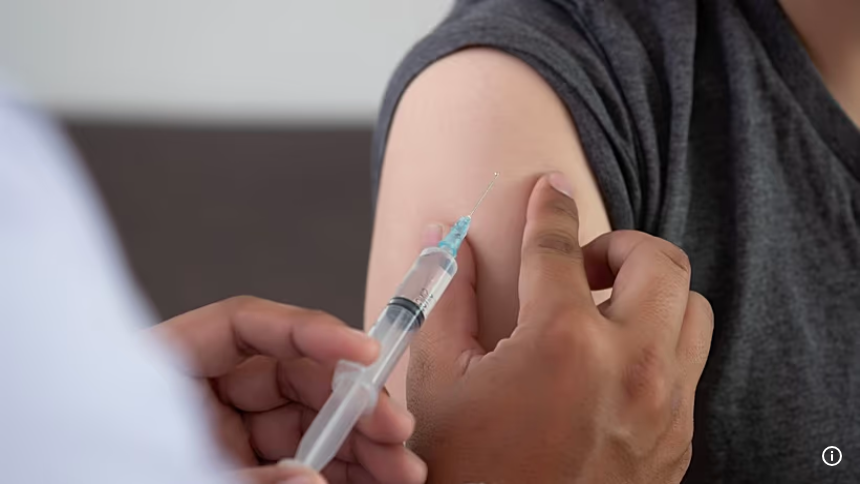
EU Approves New Twice-Yearly HIV Prevention Jab Amid Rising Infections
In a landmark decision that could reshape the fight against HIV, the European Commission has approved a twice-yearly injection designed to prevent the virus. The jab, developed by Gilead Sciences and sold under the name Yeytuo, is the first treatment of its kind in Europe, offering a game-changing alternative to daily pills for people at risk of HIV.
The approval comes as health experts warn of a worrying rise in new HIV cases across Europe, signalling both the urgency and the potential impact of this breakthrough.
Register for Tekedia Mini-MBA edition 20 (June 8 – Sept 5, 2026).
Register for Tekedia AI in Business Masterclass.
Join Tekedia Capital Syndicate and co-invest in great global startups.
Register for Tekedia AI Lab.
A Milestone in HIV Prevention
The new treatment, also known by its scientific name lenacapavir, belongs to the class of medicines known as pre-exposure prophylaxis (PrEP). Like existing PrEP pills, it works by preventing the virus from replicating and spreading within the body. But unlike oral medication, which requires consistent daily use, Yeytuo only needs to be administered once every six months via an injection.
For many patients, this long-acting protection could dramatically improve adherence, reducing the risk of missed doses and providing a more discreet, reliable safeguard against infection.

Clinical trials of lenacapavir have produced striking results. In studies, the injection was 100 per cent effective at preventing HIV transmission, prompting some experts to hail it as one of the biggest medical breakthroughs of 2024.
“This is the first time we have a PrEP option that combines near-perfect efficacy with ease of use,” said Dr. Dietmar Berger, Gilead’s chief medical officer. “The Commission’s fast approval underscores the transformative potential of Yeytuo to help address the urgent unmet need in HIV prevention across Europe.”
Why It Matters Now

The timing of the new jab is critical. According to the European Centre for Disease Prevention and Control (ECDC), there were more than 24,700 new HIV diagnoses in the EU, Iceland, Liechtenstein, and Norway in 2023—an 11.8 per cent increase from the previous year.
Several factors are thought to contribute to the rise, including reduced testing and treatment during the COVID-19 pandemic, persistent stigma around HIV, and gaps in access to prevention services. Public health experts hope that Yeytuo’s convenience will make it easier for people—especially adolescents and those in high-risk groups—to protect themselves.
“HIV is not gone. If anything, we are reminded that epidemics can resurge when prevention lags,” said one epidemiologist with the ECDC. “This new tool gives us an unprecedented opportunity to change the trajectory.”
Broader Global Context
The approval of Yeytuo in Europe follows a similar decision by the US Food and Drug Administration (FDA) earlier this year. The World Health Organization (WHO) has also recommended lenacapavir as an additional prevention option, underlining its potential global significance.
Gilead is currently seeking regulatory approval in Australia, Brazil, Canada, South Africa, and Switzerland, with applications soon to follow in Argentina, Mexico, and Peru. The company has also agreed to license generic versions of the drug for use in 120 low- and middle-income countries where HIV prevalence remains high.
However, global availability remains uncertain. Earlier this year, the United States—historically the largest donor to international HIV/AIDS programmes—slashed funding for global health initiatives. Advocates warn that without sustained investment, access to the new jab in poorer countries could be severely limited.
A Step Forward, But Not the End
While the approval of Yeytuo is widely seen as a breakthrough, experts caution that it is not a silver bullet. HIV still affects about 40.8 million people worldwide, and last year alone, an estimated 630,000 people died from AIDS-related illnesses.
PrEP—whether in the form of pills or injections—must be combined with other strategies such as widespread testing, early treatment for those living with HIV, and efforts to combat stigma and discrimination. Access, affordability, and education remain critical challenges.
“We must remember that prevention is only one part of the puzzle,” said a representative from UNAIDS. “We still need to ensure that everyone living with HIV can access treatment, and that communities most at risk are not left behind.”
The Future of HIV Prevention
The rollout of Yeytuo could mark the beginning of a new era in HIV prevention. By shifting from daily pills to long-acting injections, healthcare providers may be able to reach populations who have struggled with adherence or faced barriers to consistent care.
For adolescents, who represent a growing share of new infections in some regions, the simplicity of a twice-yearly jab could be particularly valuable. For communities facing stigma, the discreet nature of an injection every six months could also offer a safer and less visible form of protection.
At the same time, the approval raises questions about cost and distribution. Will national health systems across Europe cover the jab under public insurance? How quickly will clinics be able to scale up access? And how can governments ensure that the people most at risk are prioritised?
Looking Forward
As Europe begins to roll out Yeytuo, attention will turn to how quickly it can be integrated into national health systems and whether it will reach the people most vulnerable to HIV. If implemented effectively, the jab could become a cornerstone of prevention and a model for long-acting treatments in other areas of medicine.
Globally, the challenge will be ensuring that this innovation is not limited to wealthy countries. With millions still living with HIV and hundreds of thousands dying each year, the urgency could not be greater. The next chapter in the fight against HIV may well hinge on whether Yeytuo becomes universally accessible—or another symbol of inequality in global health.
Conclusion
The European Commission’s approval of Yeytuo, the world’s first twice-yearly HIV prevention jab, represents a watershed moment in the decades-long fight against the virus. With clinical trials showing perfect efficacy and the potential to transform prevention strategies, the injection offers hope of reducing infections at a time when cases are once again on the rise.
But success will depend on more than just scientific innovation. Affordability, equitable access, and continued investment in public health will determine whether this breakthrough truly changes lives—or remains out of reach for many of those who need it most.
Meta Description:
The EU has approved Yeytuo, the world’s first twice-yearly HIV prevention jab. Proven 100% effective in trials, the injection could transform HIV prevention amid rising cases.
Share this:
- Click to share on Facebook (Opens in new window) Facebook
- Click to share on X (Opens in new window) X
- Click to share on WhatsApp (Opens in new window) WhatsApp
- Click to share on LinkedIn (Opens in new window) LinkedIn
- Click to email a link to a friend (Opens in new window) Email
- Click to print (Opens in new window) Print