

European Parliament Calls for 18-Month Extension to Spend €650bn Post-COVID Recovery Funds

Quote from Alex Bobby on June 20, 2025, 3:00 AM
MEPs Seek Extension to Spend EU Post-COVID Recovery Funds, Warn of Risks to Critical Projects
The European Parliament has issued a strong appeal for more time to spend funds from the European Union’s massive €650 billion post-pandemic recovery package, Next GenerationEU, amid mounting concerns that key projects risk being left unfinished. On Wednesday, Members of the European Parliament (MEPs) adopted a resolution requesting an 18-month extension to the current deadline of August 2026, which would give countries more room to deliver results under the Recovery and Resilience Facility (RRF) — the central pillar of the post-COVID funding plan.
The resolution, championed by Romanian MEPs Victor Negrescu and Siegfried Mureşan, was passed with strong support: 421 votes in favour, 180 against, and 55 abstentions. While the vote reflects the urgency shared by many lawmakers, it also underscores the challenges ahead as the EU balances competing priorities in a changing geopolitical and economic landscape.
The Case for Extension: "We Stand by Citizens"
At the heart of the call for an extension lies a stark reality — more than 70% of the plan’s milestones and objectives remain unmet. As time ticks down, MEPs warn that rushing to meet the original deadline could lead to the abandonment of projects vital to Europe’s long-term resilience and competitiveness.
“Critical investments risk being left unfinished after the end of the Facility in August 2026,” said Victor Negrescu, a Socialist MEP and co-rapporteur for the Parliament’s Committee on Budgets. “I called for an extension of funding of 18 months for mature projects and demanded that unfinished projects can continue under other EU instruments such as the cohesion funds, InvestEU, or a future Competitiveness Fund.”
Negrescu emphasised that the Parliament’s resolution is a vote of confidence in Europe’s citizens and an effort to protect the progress already made. “Today, the Parliament is sending a clear message: we stand by the citizens and fight for the finalisation of essential projects.”
Strategic Projects at Risk
The proposed extension would only apply to projects that are already underway and have a high likelihood of success if granted more time. This targeted approach is designed to avoid waste while preserving the integrity of major investments in digital innovation, green transition, health, and education systems across member states.
The resolution warns that without action, the limited remaining time may hinder the completion of critical reforms and large-scale infrastructure projects— particularly in member states that have struggled to implement complex programs under tight deadlines.
MEPs argue that extending the timeline is not just about flexibility, but also about economic strategy. The RRF has been widely credited with preventing economic fragmentation during the height of the COVID-19 pandemic, keeping member states aligned within the EU’s single market while promoting a coordinated recovery.
Looking Beyond 2026: New Instruments for a New Era
The Parliament’s resolution also pushes the European Commission to look beyond the RRF’s expiration in 2026 and design successor instruments that can continue the momentum of Europe’s recovery and transformation.
With global dynamics shifting — including rising geopolitical tensions, increased defence needs, and ongoing climate challenges — MEPs argue that Europe’s investment strategy must evolve accordingly.
“We are calling for a review of how unspent RRF funds can support Europe’s new strategic priorities, notably strengthening competitiveness and reinforcing our defence capabilities,” said Siegfried Mureşan, an MEP from the European People’s Party and co-rapporteur for the Economic and Monetary Affairs Committee.
“In the face of rising geopolitical tensions, Europe must act decisively to defend its citizens,” he added, calling for targeted spending in cross-border transport infrastructure, energy independence, education, and defence.
A Future-Proof Investment Strategy
The call for a time extension comes at a critical juncture. While economic indicators have improved since the pandemic, Europe continues to face structural challenges — from inflation and labour market shifts to climate commitments and external threats.
Extending the RRF’s implementation period would not only safeguard progress but also allow member states to adjust their national strategies to reflect emerging needs. MEPs are also urging closer integration between the RRF and other EU instruments, such as cohesion policy funds and the upcoming Strategic Technologies for Europe Platform (STEP), aimed at scaling up EU competitiveness and autonomy.
By enabling more flexibility and forward-looking planning, the Parliament hopes to prevent a scenario where ambitious projects are left half-completed and Europe’s recovery momentum stalls.
Looking Forward: Building Beyond Recovery
As the 2026 deadline for the Recovery and Resilience Facility approaches, the European Parliament’s call for an extension signals a broader shift in thinking — from emergency recovery to long-term transformation. With geopolitical instability, energy security challenges, and the race for technological leadership reshaping global priorities, Europe must position itself not only to recover but to compete and thrive in a changing world.
Looking ahead, the Parliament is urging the European Commission and member states to:
- Re-evaluate national investment strategies to align with evolving priorities like defence, green energy, and digitalisation.
- Develop successor frameworks to the RRF that are flexible, stable, and responsive to future crises and growth opportunities.
- Ensure unused funds are redirected effectively into strategic projects under other EU instruments such as InvestEU, cohesion funds, or new platforms like the Competitiveness Fund or STEP.
By extending the window for RRF investments and preparing robust mechanisms for the future, the EU can ensure that its post-COVID recovery becomes a launchpad for sustainable growth, resilient infrastructure, and stronger social cohesion across the bloc. The next chapter, as Parliament makes clear, must not only complete the recovery — it must future-proof Europe’s place in the world.
Conclusion: Keeping the Promise of Recovery Alive
The European Parliament’s push to extend the RRF deadline is a clear signal that the EU remains committed to ensuring that the promise of Next GenerationEU becomes a lasting reality. With billions still to be spent and transformative projects in progress, lawmakers are urging the Commission and member states to act decisively to keep the recovery on track.
As MEPs like Negrescu and Mureşan argue, Europe cannot afford to waste what has already been invested — financially, politically, and socially. With an extended timeline and a renewed focus on strategic goals, the EU has the opportunity to not just finish what it started, but to build a more resilient and competitive future for all Europeans.
The European Parliament has called for an 18-month extension to spend post-COVID recovery funds under the EU’s €650bn Next GenerationEU plan, warning that critical projects risk being left unfinished by the 2026 deadline.
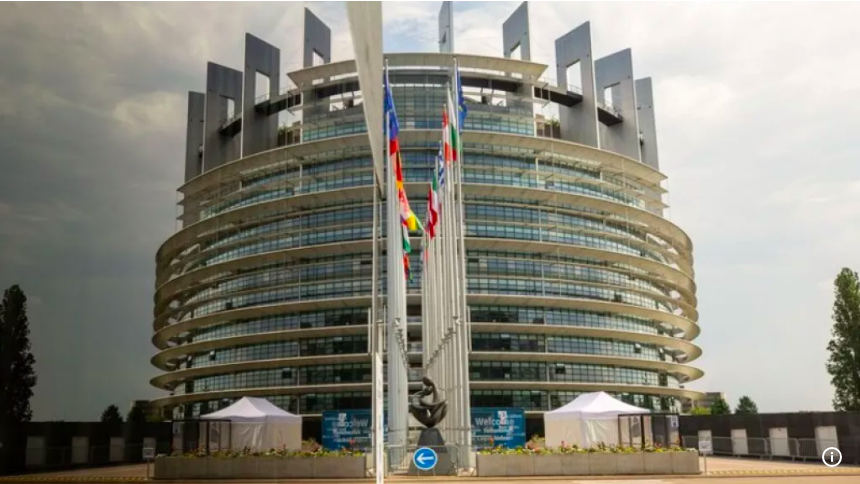
MEPs Seek Extension to Spend EU Post-COVID Recovery Funds, Warn of Risks to Critical Projects
The European Parliament has issued a strong appeal for more time to spend funds from the European Union’s massive €650 billion post-pandemic recovery package, Next GenerationEU, amid mounting concerns that key projects risk being left unfinished. On Wednesday, Members of the European Parliament (MEPs) adopted a resolution requesting an 18-month extension to the current deadline of August 2026, which would give countries more room to deliver results under the Recovery and Resilience Facility (RRF) — the central pillar of the post-COVID funding plan.
The resolution, championed by Romanian MEPs Victor Negrescu and Siegfried Mureşan, was passed with strong support: 421 votes in favour, 180 against, and 55 abstentions. While the vote reflects the urgency shared by many lawmakers, it also underscores the challenges ahead as the EU balances competing priorities in a changing geopolitical and economic landscape.
Register for Tekedia Mini-MBA edition 20 (June 8 – Sept 5, 2026).
Register for Tekedia AI in Business Masterclass.
Join Tekedia Capital Syndicate and co-invest in great global startups.
Register for Tekedia AI Lab.
The Case for Extension: "We Stand by Citizens"
At the heart of the call for an extension lies a stark reality — more than 70% of the plan’s milestones and objectives remain unmet. As time ticks down, MEPs warn that rushing to meet the original deadline could lead to the abandonment of projects vital to Europe’s long-term resilience and competitiveness.
“Critical investments risk being left unfinished after the end of the Facility in August 2026,” said Victor Negrescu, a Socialist MEP and co-rapporteur for the Parliament’s Committee on Budgets. “I called for an extension of funding of 18 months for mature projects and demanded that unfinished projects can continue under other EU instruments such as the cohesion funds, InvestEU, or a future Competitiveness Fund.”

Negrescu emphasised that the Parliament’s resolution is a vote of confidence in Europe’s citizens and an effort to protect the progress already made. “Today, the Parliament is sending a clear message: we stand by the citizens and fight for the finalisation of essential projects.”
Strategic Projects at Risk
The proposed extension would only apply to projects that are already underway and have a high likelihood of success if granted more time. This targeted approach is designed to avoid waste while preserving the integrity of major investments in digital innovation, green transition, health, and education systems across member states.

The resolution warns that without action, the limited remaining time may hinder the completion of critical reforms and large-scale infrastructure projects— particularly in member states that have struggled to implement complex programs under tight deadlines.
MEPs argue that extending the timeline is not just about flexibility, but also about economic strategy. The RRF has been widely credited with preventing economic fragmentation during the height of the COVID-19 pandemic, keeping member states aligned within the EU’s single market while promoting a coordinated recovery.
Looking Beyond 2026: New Instruments for a New Era
The Parliament’s resolution also pushes the European Commission to look beyond the RRF’s expiration in 2026 and design successor instruments that can continue the momentum of Europe’s recovery and transformation.
With global dynamics shifting — including rising geopolitical tensions, increased defence needs, and ongoing climate challenges — MEPs argue that Europe’s investment strategy must evolve accordingly.
“We are calling for a review of how unspent RRF funds can support Europe’s new strategic priorities, notably strengthening competitiveness and reinforcing our defence capabilities,” said Siegfried Mureşan, an MEP from the European People’s Party and co-rapporteur for the Economic and Monetary Affairs Committee.
“In the face of rising geopolitical tensions, Europe must act decisively to defend its citizens,” he added, calling for targeted spending in cross-border transport infrastructure, energy independence, education, and defence.
A Future-Proof Investment Strategy
The call for a time extension comes at a critical juncture. While economic indicators have improved since the pandemic, Europe continues to face structural challenges — from inflation and labour market shifts to climate commitments and external threats.
Extending the RRF’s implementation period would not only safeguard progress but also allow member states to adjust their national strategies to reflect emerging needs. MEPs are also urging closer integration between the RRF and other EU instruments, such as cohesion policy funds and the upcoming Strategic Technologies for Europe Platform (STEP), aimed at scaling up EU competitiveness and autonomy.
By enabling more flexibility and forward-looking planning, the Parliament hopes to prevent a scenario where ambitious projects are left half-completed and Europe’s recovery momentum stalls.
Looking Forward: Building Beyond Recovery
As the 2026 deadline for the Recovery and Resilience Facility approaches, the European Parliament’s call for an extension signals a broader shift in thinking — from emergency recovery to long-term transformation. With geopolitical instability, energy security challenges, and the race for technological leadership reshaping global priorities, Europe must position itself not only to recover but to compete and thrive in a changing world.
Looking ahead, the Parliament is urging the European Commission and member states to:
- Re-evaluate national investment strategies to align with evolving priorities like defence, green energy, and digitalisation.
- Develop successor frameworks to the RRF that are flexible, stable, and responsive to future crises and growth opportunities.
- Ensure unused funds are redirected effectively into strategic projects under other EU instruments such as InvestEU, cohesion funds, or new platforms like the Competitiveness Fund or STEP.
By extending the window for RRF investments and preparing robust mechanisms for the future, the EU can ensure that its post-COVID recovery becomes a launchpad for sustainable growth, resilient infrastructure, and stronger social cohesion across the bloc. The next chapter, as Parliament makes clear, must not only complete the recovery — it must future-proof Europe’s place in the world.
Conclusion: Keeping the Promise of Recovery Alive
The European Parliament’s push to extend the RRF deadline is a clear signal that the EU remains committed to ensuring that the promise of Next GenerationEU becomes a lasting reality. With billions still to be spent and transformative projects in progress, lawmakers are urging the Commission and member states to act decisively to keep the recovery on track.
As MEPs like Negrescu and Mureşan argue, Europe cannot afford to waste what has already been invested — financially, politically, and socially. With an extended timeline and a renewed focus on strategic goals, the EU has the opportunity to not just finish what it started, but to build a more resilient and competitive future for all Europeans.
The European Parliament has called for an 18-month extension to spend post-COVID recovery funds under the EU’s €650bn Next GenerationEU plan, warning that critical projects risk being left unfinished by the 2026 deadline.
Uploaded files:Share this:
- Click to share on Facebook (Opens in new window) Facebook
- Click to share on X (Opens in new window) X
- Click to share on WhatsApp (Opens in new window) WhatsApp
- Click to share on LinkedIn (Opens in new window) LinkedIn
- Click to email a link to a friend (Opens in new window) Email
- Click to print (Opens in new window) Print