

France-Algeria Relations Hit Breaking Point: A Diplomatic Crisis Decades in the Making

Quote from Alex Bobby on September 13, 2025, 6:47 AM
France-Algeria Relations at Breaking Point: How a Diplomatic Spat Escalated
Relations between France and Algeria, two nations bound by a complex colonial past, have plunged into what French diplomatic sources are calling the “biggest diplomatic crisis” since Algeria gained independence in 1962. What began as a dispute over the contested territory of Western Sahara has snowballed into tit-for-tat expulsions of diplomats, visa restrictions, and high-profile detentions, leaving observers worried about the long-term trajectory of Franco-Algerian ties.
The Spark: Western Sahara and High-Profile Detentions
Tensions reignited last year over Western Sahara, a territory whose sovereignty remains a point of contention in North Africa. Algeria has long supported the Polisario Front, a resistance movement advocating for Western Sahara’s independence, while France’s tacit endorsement of Moroccan claims in 2024 inflamed an already sensitive situation.
The crisis intensified after Algeria’s government detained French-Algerian novelist Boualem Sansal and French journalist Christophe Gleizes, sentencing them to five and seven years in prison, respectively. These actions triggered a diplomatic escalation, prompting reciprocal measures including the expulsion of diplomats from both countries.
In August, French President Emmanuel Macron announced tighter visa requirements for Algerian diplomats, suspending a 2013 bilateral agreement that allowed them visa-free access. The measure was justified by alleged “growing migration difficulties” but was widely interpreted as a diplomatic snub. The policy even affected travel beyond France; an Algerian diplomat was reportedly denied entry to Spain for a holiday.
University of Oxford professor James McDoogle told Euronews that making Algerian diplomats obtain visas was “embarrassing and humiliating,” given the post-independence agreement intended to ensure free access for Algerians to France.
Historical Echoes and Unresolved Arguments
The current impasse is rooted in a turbulent shared history. Algeria’s brutal eight-year war of independence, which left hundreds of thousands dead, continues to influence contemporary diplomatic relations. A former senior French diplomat familiar with the matter described the relationship as “difficult, as you have to manage the past, the history, as well as the future.”
Post-independence flare-ups, such as Algeria nationalising French-owned natural resources in the 1970s or France’s early-2000s law mandating the teaching of the “positive influences” of colonialism in schools, continue to inform how Algiers reacts to French actions today.
Dr Dalia Ghanem, program director at the Middle East Council on Global Affairs, told Euronews that Algeria’s foreign policy often priorities ideological positions over pragmatic ones, shaped by an anti-colonial legacy and a focus on self-preservation. She explained that the country’s support for independence movements, including the Palestine Liberation Organisation and the Western Saharan Polisario Front, remains a foundational element of its national identity and regional stance.
Political Posturing and Domestic Dynamics
Internal politics in both countries have amplified the conflict. Prof McDoogle noted that Franco-Algerian disputes often reflect domestic priorities, with each side leveraging tensions when politically advantageous. The former French diplomat cited Algerian President Abdelmadjid Tebboune’s nationalist strategies, suggesting that he aims to galvanize public opinion in Algeria and exert influence on French politics, recalling the historical impact of the Algerian war on French governance.
“Remember that the (French) Fourth Republic fell with the Algerian war, so he knows that Algeria is part of French politics,” the diplomat said.
The toxic atmosphere has also posed personal risks; the former official reported receiving violent threats, underscoring how fraught the situation has become.
From Hopeful Beginnings to Renewed Tensions
Relations between Paris and Algiers had appeared to be warming in the late 2010s. Emmanuel Macron, during his 2017 presidential campaign, acknowledged France’s “crimes against humanity” in Algeria and promised accountability. In Algeria, the 2019 Hirak movement brought millions to the streets, demanding political change, and a new president emerged after a long-standing political establishment was challenged.
However, optimism was short-lived. Dr Ghanem pointed out that Algeria’s government became increasingly authoritarian, justifying its stance with security concerns and the need for continuity. Across the Mediterranean, Macron began denouncing what he called “memorial rent” in 2021 — the politics of memory — an approach some French experts hailed as a moment of clarity.
Tebboune responded in kind, rejecting Macron’s framing and insisting that “history should not be falsified,” accusing the French leader of reviving old conflicts unnecessarily. Algiers escalated further, recalling its ambassador and temporarily closing airspace to French aircraft, including for counter-terror operations in the Sahel.
The Road Ahead
The current diplomatic freeze reflects centuries of entangled history, ideological differences, and domestic political considerations. Analysts warn that the impasse could persist unless both countries engage in candid dialogue to address historical grievances while navigating contemporary geopolitical realities.
Professor McDoogle suggested that the stalemate will likely continue to flare whenever domestic politics demand it, with each side periodically “giving the other a kicking” to maintain public support. Dr Ghanem emphasised that Algeria’s anti-colonial legacy and national identity will continue to shape its foreign policy, especially toward France, making compromise a delicate and slow process.
Observers note that the crisis is not just bilateral; it has regional implications, affecting North African security cooperation, migration policy, and European diplomatic cohesion. How Paris and Algiers navigate this latest escalation may define not only their bilateral relationship but also broader Mediterranean stability.
Final Thoughts
The France-Algeria crisis is a stark reminder that history never fully recedes in international relations. Colonial legacies, combined with contemporary political maneuvering, continue to influence how states interact, often turning historical memory into a tool of domestic and regional policy.
Moving forward, both nations face a delicate balancing act: addressing past grievances while finding common ground on security, migration, and economic cooperation. Without careful dialogue and compromise, this dispute risks further entrenching hostility, undermining regional stability, and perpetuating a cycle of mistrust that has persisted for decades.
Conclusion
The escalating diplomatic spat between France and Algeria underscores how deeply history continues to shape contemporary international relations. What began as disagreements over Western Sahara and high-profile detentions has spiraled into a full-blown crisis, highlighting unresolved colonial legacies, ideological differences, and domestic political pressures on both sides.
With tit-for-tat expulsions, visa restrictions, and heightened rhetoric, the bilateral relationship is at a low point. Resolving this crisis will require careful diplomacy, a willingness to confront historical grievances, and a commitment to pragmatic cooperation. How Paris and Algiers navigate the coming months will not only determine the future of their own ties but also influence regional stability and European engagement in North Africa.
Meta Description: France and Algeria are in their worst diplomatic crisis since 1962, fuelled by historical grievances, Western Sahara tensions, and high-profile detentions. Euronews examines the causes and potential paths forward.
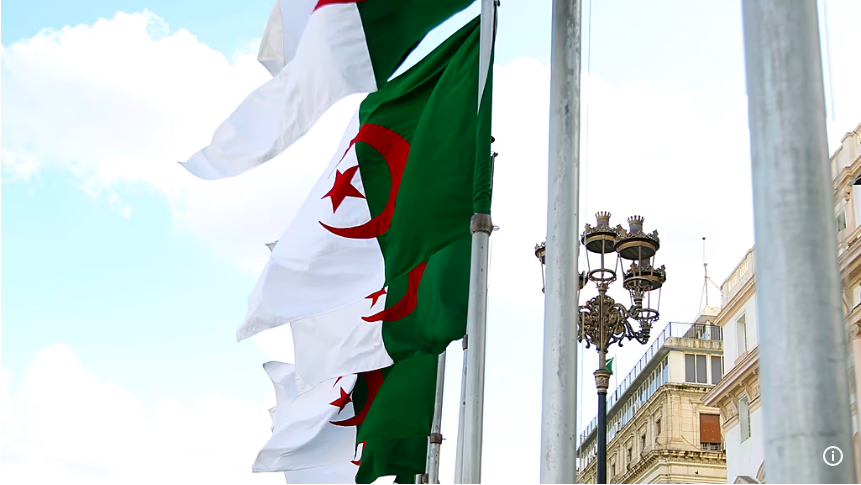
France-Algeria Relations at Breaking Point: How a Diplomatic Spat Escalated
Relations between France and Algeria, two nations bound by a complex colonial past, have plunged into what French diplomatic sources are calling the “biggest diplomatic crisis” since Algeria gained independence in 1962. What began as a dispute over the contested territory of Western Sahara has snowballed into tit-for-tat expulsions of diplomats, visa restrictions, and high-profile detentions, leaving observers worried about the long-term trajectory of Franco-Algerian ties.
The Spark: Western Sahara and High-Profile Detentions
Register for Tekedia Mini-MBA edition 20 (June 8 – Sept 5, 2026).
Register for Tekedia AI in Business Masterclass.
Join Tekedia Capital Syndicate and co-invest in great global startups.
Register for Tekedia AI Lab.
Tensions reignited last year over Western Sahara, a territory whose sovereignty remains a point of contention in North Africa. Algeria has long supported the Polisario Front, a resistance movement advocating for Western Sahara’s independence, while France’s tacit endorsement of Moroccan claims in 2024 inflamed an already sensitive situation.
The crisis intensified after Algeria’s government detained French-Algerian novelist Boualem Sansal and French journalist Christophe Gleizes, sentencing them to five and seven years in prison, respectively. These actions triggered a diplomatic escalation, prompting reciprocal measures including the expulsion of diplomats from both countries.
In August, French President Emmanuel Macron announced tighter visa requirements for Algerian diplomats, suspending a 2013 bilateral agreement that allowed them visa-free access. The measure was justified by alleged “growing migration difficulties” but was widely interpreted as a diplomatic snub. The policy even affected travel beyond France; an Algerian diplomat was reportedly denied entry to Spain for a holiday.

University of Oxford professor James McDoogle told Euronews that making Algerian diplomats obtain visas was “embarrassing and humiliating,” given the post-independence agreement intended to ensure free access for Algerians to France.
Historical Echoes and Unresolved Arguments
The current impasse is rooted in a turbulent shared history. Algeria’s brutal eight-year war of independence, which left hundreds of thousands dead, continues to influence contemporary diplomatic relations. A former senior French diplomat familiar with the matter described the relationship as “difficult, as you have to manage the past, the history, as well as the future.”

Post-independence flare-ups, such as Algeria nationalising French-owned natural resources in the 1970s or France’s early-2000s law mandating the teaching of the “positive influences” of colonialism in schools, continue to inform how Algiers reacts to French actions today.
Dr Dalia Ghanem, program director at the Middle East Council on Global Affairs, told Euronews that Algeria’s foreign policy often priorities ideological positions over pragmatic ones, shaped by an anti-colonial legacy and a focus on self-preservation. She explained that the country’s support for independence movements, including the Palestine Liberation Organisation and the Western Saharan Polisario Front, remains a foundational element of its national identity and regional stance.
Political Posturing and Domestic Dynamics
Internal politics in both countries have amplified the conflict. Prof McDoogle noted that Franco-Algerian disputes often reflect domestic priorities, with each side leveraging tensions when politically advantageous. The former French diplomat cited Algerian President Abdelmadjid Tebboune’s nationalist strategies, suggesting that he aims to galvanize public opinion in Algeria and exert influence on French politics, recalling the historical impact of the Algerian war on French governance.
“Remember that the (French) Fourth Republic fell with the Algerian war, so he knows that Algeria is part of French politics,” the diplomat said.
The toxic atmosphere has also posed personal risks; the former official reported receiving violent threats, underscoring how fraught the situation has become.
From Hopeful Beginnings to Renewed Tensions
Relations between Paris and Algiers had appeared to be warming in the late 2010s. Emmanuel Macron, during his 2017 presidential campaign, acknowledged France’s “crimes against humanity” in Algeria and promised accountability. In Algeria, the 2019 Hirak movement brought millions to the streets, demanding political change, and a new president emerged after a long-standing political establishment was challenged.
However, optimism was short-lived. Dr Ghanem pointed out that Algeria’s government became increasingly authoritarian, justifying its stance with security concerns and the need for continuity. Across the Mediterranean, Macron began denouncing what he called “memorial rent” in 2021 — the politics of memory — an approach some French experts hailed as a moment of clarity.
Tebboune responded in kind, rejecting Macron’s framing and insisting that “history should not be falsified,” accusing the French leader of reviving old conflicts unnecessarily. Algiers escalated further, recalling its ambassador and temporarily closing airspace to French aircraft, including for counter-terror operations in the Sahel.
The Road Ahead
The current diplomatic freeze reflects centuries of entangled history, ideological differences, and domestic political considerations. Analysts warn that the impasse could persist unless both countries engage in candid dialogue to address historical grievances while navigating contemporary geopolitical realities.
Professor McDoogle suggested that the stalemate will likely continue to flare whenever domestic politics demand it, with each side periodically “giving the other a kicking” to maintain public support. Dr Ghanem emphasised that Algeria’s anti-colonial legacy and national identity will continue to shape its foreign policy, especially toward France, making compromise a delicate and slow process.
Observers note that the crisis is not just bilateral; it has regional implications, affecting North African security cooperation, migration policy, and European diplomatic cohesion. How Paris and Algiers navigate this latest escalation may define not only their bilateral relationship but also broader Mediterranean stability.
Final Thoughts
The France-Algeria crisis is a stark reminder that history never fully recedes in international relations. Colonial legacies, combined with contemporary political maneuvering, continue to influence how states interact, often turning historical memory into a tool of domestic and regional policy.
Moving forward, both nations face a delicate balancing act: addressing past grievances while finding common ground on security, migration, and economic cooperation. Without careful dialogue and compromise, this dispute risks further entrenching hostility, undermining regional stability, and perpetuating a cycle of mistrust that has persisted for decades.
Conclusion
The escalating diplomatic spat between France and Algeria underscores how deeply history continues to shape contemporary international relations. What began as disagreements over Western Sahara and high-profile detentions has spiraled into a full-blown crisis, highlighting unresolved colonial legacies, ideological differences, and domestic political pressures on both sides.
With tit-for-tat expulsions, visa restrictions, and heightened rhetoric, the bilateral relationship is at a low point. Resolving this crisis will require careful diplomacy, a willingness to confront historical grievances, and a commitment to pragmatic cooperation. How Paris and Algiers navigate the coming months will not only determine the future of their own ties but also influence regional stability and European engagement in North Africa.
Meta Description: France and Algeria are in their worst diplomatic crisis since 1962, fuelled by historical grievances, Western Sahara tensions, and high-profile detentions. Euronews examines the causes and potential paths forward.
Uploaded files:Share this:
- Click to share on Facebook (Opens in new window) Facebook
- Click to share on X (Opens in new window) X
- Click to share on WhatsApp (Opens in new window) WhatsApp
- Click to share on LinkedIn (Opens in new window) LinkedIn
- Click to email a link to a friend (Opens in new window) Email
- Click to print (Opens in new window) Print