

French Cinema Breaks Silence on Colonial Past with Bold New Films Like Fanon

Quote from Alex Bobby on April 17, 2025, 3:58 AM
French Cinema Finally Confronts Its Colonial Past with Bold New Voices and Stories
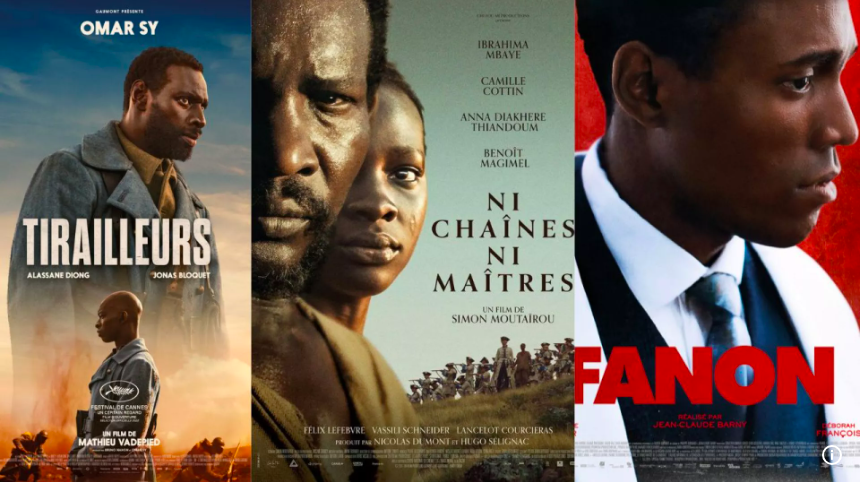
On a sunlit Sunday in Paris, the echoes of applause filled a packed cinema—not for a superhero epic or a lighthearted comedy, but for Fanon, a powerful biopic about Frantz Fanon, the anti-colonial thinker and activist from Martinique. The film, directed by Guadeloupean filmmaker Jean-Claude Barny, is more than a cinematic tribute—it’s part of a cultural shift long overdue in French cinema: a confrontation with the country’s colonial past.
For decades, France’s film industry largely sidestepped its complex legacy of colonialism and slavery. While other nations explored their historical sins on screen, French cinema remained curiously quiet. That silence, however, is now being broken by a new generation of filmmakers who are pushing the industry into uncharted, but necessary, territory.
Frantz Fanon: From Martinique to Algeria
Fanon tells the story of the psychiatrist-turned-revolutionary who became a leading voice in the Algerian struggle for independence in the 1950s. Fanon’s Pan-Africanist ideals and fiery critiques of colonialism made him both a revered and controversial figure. His biopic is an unprecedented move in French cinema—a major film not only acknowledging, but centring, the brutal realities of French colonial rule.
What makes Fanon so significant is its ability to connect with audiences. In its first week, the film sold over 23,000 tickets, expanding from 70 to 107 cinemas. That momentum underscores a growing appetite for stories that France has long suppressed.
A New Generation of Storytellers
"Cinema used to be an exclusive club,” said researcher Régis Dubois, author of a book on Black representation in French cinema. “For a very long time, there were no Black directors in France.” Aside from pioneers like Euzhan Palcy and Christian Lara—both from the West Indies—filmmakers with ties to colonial history were virtually absent from the mainstream.
Today, that reality is changing. Filmmakers from minority backgrounds are stepping into the spotlight, not just directing films, but shaping the narratives that reach audiences. These stories are no longer relegated to low-budget productions or TV specials—they’re gaining critical recognition and commercial success.
In 2022, Father & Soldier, a World War I drama about Senegalese soldiers conscripted into the French army, premiered at Cannes. Produced by and starring Omar Sy—one of France’s biggest actors—the film was a landmark for representation and storytelling.
Stories that Fill a Void
For Sébastien Onomo, producer of Fanon, the drive to bring these stories to life is deeply personal. “Every film that we produce in our company is a response to a void,” he said. “I lacked these stories when I was young, when I went to the cinema and there were no films that told the story of my parents, which was also part of my own story.”
That sentiment echoes across the industry. Simon Moutaïrou’s No Chains No Masters (2024), which explores the lives of runaway slaves in colonial Mauritius, was screened in schools across France. The film places Black protagonists front and centre, celebrating their Wolof culture and portraying them as agents of their own liberation—not side characters in someone else’s story.
Meanwhile, Mati Diop’s Dahomey, a documentary about the return of royal treasures to Benin, won the Golden Bear at the Berlinale and earned a César nomination. These films aren’t just artistic statements—they’re milestones in France’s reckoning with its past.
The Long Silence on Slavery and Colonialism
The silence around colonialism and slavery in French cinema has long been glaring. Between 2004 and 2023, France produced over 4,100 feature films. Only one—Case Départ, a 2011 comedy—touched directly on slavery, according to Pierre-Yves Bocquet of the French Foundation for the Memory of Slavery.
“Slavery is a taboo because it doesn't fit into the national narrative," said Dubois. “France sees itself through the lens of Enlightenment values: ‘liberté, égalité, fraternité.’ Confronting colonisation disrupts that self-image. It's uncomfortable, even embarrassing.”
Other countries have faced similar reckonings, albeit imperfectly. In the U.S., films like 12 Years a Slave have garnered critical acclaim for confronting the horrors of slavery. But others, like The Help and Green Book, have been criticised for their “white saviour” narratives. British cinema, too, often focuses on the colonisers perspective rather than the colonised.
In contrast, France’s latest films mark a departure. No Chains No Masters gives agency to its Black characters, free of colonial filters. Upcoming projects like a biopic on Furcy Madeleine—a slave who legally challenged his bondage—promise to continue this trend.
A Future Rooted in Truth
The commercial and critical success of films like Fanon signals that audiences are ready—and eager—for these stories. “This effort must go on,” said Onomo. “So that we can say these stories are not only of interest, but that, from a purely pragmatic and economic point of view, they are selling tickets.”
As France marks 130 years of cinema, it seems the industry is finally willing to hold a mirror to its own history. For filmmakers, audiences, and future generations, that reflection—though long overdue—is both powerful and necessary.
Conclusion
After decades of silence, French cinema is finally beginning to confront its colonial past—thanks to a bold new generation of filmmakers and storytellers determined to fill the void. Films like Fanon, No Chains No Masters, and Dahomey are not just rewriting the narrative of French history on screen—they’re challenging national myths, reclaiming erased voices, and proving that these stories resonate deeply with audiences. As these films gain momentum and spark wider conversations, it’s clear that France’s cinematic future lies not in forgetting the past, but in facing it with honesty, courage, and creativity.
French Cinema Finally Confronts Its Colonial Past with Bold New Voices and Stories
On a sunlit Sunday in Paris, the echoes of applause filled a packed cinema—not for a superhero epic or a lighthearted comedy, but for Fanon, a powerful biopic about Frantz Fanon, the anti-colonial thinker and activist from Martinique. The film, directed by Guadeloupean filmmaker Jean-Claude Barny, is more than a cinematic tribute—it’s part of a cultural shift long overdue in French cinema: a confrontation with the country’s colonial past.
For decades, France’s film industry largely sidestepped its complex legacy of colonialism and slavery. While other nations explored their historical sins on screen, French cinema remained curiously quiet. That silence, however, is now being broken by a new generation of filmmakers who are pushing the industry into uncharted, but necessary, territory.
Register for Tekedia Mini-MBA edition 20 (June 8 – Sept 5, 2026).
Register for Tekedia AI in Business Masterclass.
Join Tekedia Capital Syndicate and co-invest in great global startups.
Register for Tekedia AI Lab.
Frantz Fanon: From Martinique to Algeria
Fanon tells the story of the psychiatrist-turned-revolutionary who became a leading voice in the Algerian struggle for independence in the 1950s. Fanon’s Pan-Africanist ideals and fiery critiques of colonialism made him both a revered and controversial figure. His biopic is an unprecedented move in French cinema—a major film not only acknowledging, but centring, the brutal realities of French colonial rule.
What makes Fanon so significant is its ability to connect with audiences. In its first week, the film sold over 23,000 tickets, expanding from 70 to 107 cinemas. That momentum underscores a growing appetite for stories that France has long suppressed.

A New Generation of Storytellers
"Cinema used to be an exclusive club,” said researcher Régis Dubois, author of a book on Black representation in French cinema. “For a very long time, there were no Black directors in France.” Aside from pioneers like Euzhan Palcy and Christian Lara—both from the West Indies—filmmakers with ties to colonial history were virtually absent from the mainstream.
Today, that reality is changing. Filmmakers from minority backgrounds are stepping into the spotlight, not just directing films, but shaping the narratives that reach audiences. These stories are no longer relegated to low-budget productions or TV specials—they’re gaining critical recognition and commercial success.

In 2022, Father & Soldier, a World War I drama about Senegalese soldiers conscripted into the French army, premiered at Cannes. Produced by and starring Omar Sy—one of France’s biggest actors—the film was a landmark for representation and storytelling.
Stories that Fill a Void
For Sébastien Onomo, producer of Fanon, the drive to bring these stories to life is deeply personal. “Every film that we produce in our company is a response to a void,” he said. “I lacked these stories when I was young, when I went to the cinema and there were no films that told the story of my parents, which was also part of my own story.”
That sentiment echoes across the industry. Simon Moutaïrou’s No Chains No Masters (2024), which explores the lives of runaway slaves in colonial Mauritius, was screened in schools across France. The film places Black protagonists front and centre, celebrating their Wolof culture and portraying them as agents of their own liberation—not side characters in someone else’s story.
Meanwhile, Mati Diop’s Dahomey, a documentary about the return of royal treasures to Benin, won the Golden Bear at the Berlinale and earned a César nomination. These films aren’t just artistic statements—they’re milestones in France’s reckoning with its past.
The Long Silence on Slavery and Colonialism
The silence around colonialism and slavery in French cinema has long been glaring. Between 2004 and 2023, France produced over 4,100 feature films. Only one—Case Départ, a 2011 comedy—touched directly on slavery, according to Pierre-Yves Bocquet of the French Foundation for the Memory of Slavery.
“Slavery is a taboo because it doesn't fit into the national narrative," said Dubois. “France sees itself through the lens of Enlightenment values: ‘liberté, égalité, fraternité.’ Confronting colonisation disrupts that self-image. It's uncomfortable, even embarrassing.”
Other countries have faced similar reckonings, albeit imperfectly. In the U.S., films like 12 Years a Slave have garnered critical acclaim for confronting the horrors of slavery. But others, like The Help and Green Book, have been criticised for their “white saviour” narratives. British cinema, too, often focuses on the colonisers perspective rather than the colonised.
In contrast, France’s latest films mark a departure. No Chains No Masters gives agency to its Black characters, free of colonial filters. Upcoming projects like a biopic on Furcy Madeleine—a slave who legally challenged his bondage—promise to continue this trend.
A Future Rooted in Truth
The commercial and critical success of films like Fanon signals that audiences are ready—and eager—for these stories. “This effort must go on,” said Onomo. “So that we can say these stories are not only of interest, but that, from a purely pragmatic and economic point of view, they are selling tickets.”
As France marks 130 years of cinema, it seems the industry is finally willing to hold a mirror to its own history. For filmmakers, audiences, and future generations, that reflection—though long overdue—is both powerful and necessary.
Conclusion
After decades of silence, French cinema is finally beginning to confront its colonial past—thanks to a bold new generation of filmmakers and storytellers determined to fill the void. Films like Fanon, No Chains No Masters, and Dahomey are not just rewriting the narrative of French history on screen—they’re challenging national myths, reclaiming erased voices, and proving that these stories resonate deeply with audiences. As these films gain momentum and spark wider conversations, it’s clear that France’s cinematic future lies not in forgetting the past, but in facing it with honesty, courage, and creativity.
Uploaded files:Share this:
- Click to share on Facebook (Opens in new window) Facebook
- Click to share on X (Opens in new window) X
- Click to share on WhatsApp (Opens in new window) WhatsApp
- Click to share on LinkedIn (Opens in new window) LinkedIn
- Click to email a link to a friend (Opens in new window) Email
- Click to print (Opens in new window) Print