

Germany Arrests Teenage Right-Wing Extremists Over Planned Attacks on Migrants and Political Opponents

Quote from Alex Bobby on May 21, 2025, 8:02 AM
German Teenagers Arrested Over Plot to Attack Migrants and Political Opponents
Germany is once again grappling with the alarming rise of right-wing extremism — this time involving suspects as young as 14. On Wednesday, federal prosecutors announced the arrest of five teenagers, aged between 14 and 18, for their alleged involvement in a far-right extremist group called “The Last Wave of Defence.” The group is accused of planning violent attacks aimed at asylum seekers and left-wing political targets.
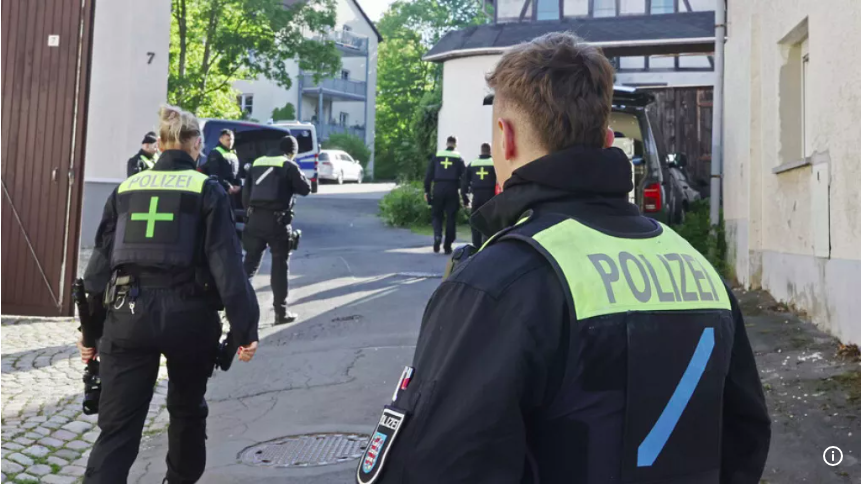
The arrests took place during coordinated early-morning raids across 13 properties in several German states, part of an ongoing investigation into domestic terrorism. Prosecutors believe the suspects intended to destabilise Germany’s democratic order, with ambitions rooted in ultranationalism and racial hatred.
Who Are the Suspects?
Four of those detained — identified only as Benjamin H, Ben-Maxim H, Lenny M, and Jason R — are suspected of being full members of a terrorist organisation. The fifth, Jerome M, is accused of aiding the group. All five suspects are German nationals and fall under Germany’s strict privacy laws, which prevent the full disclosure of their identities.
Authorities also confirmed that three additional suspects, aged between 18 and 21, are currently under investigation and already in custody on related charges.
The most troubling aspect of this case is the age of those involved. German Justice Minister Stefanie Hubig described the situation as “particularly shocking,” noting that all five teenagers were minors when the extremist group was formed in April 2024.
“This is an alarm signal and it shows that right-wing extremist terrorism knows no age,” Hubig said in a statement.
Violent Acts and Failed Attacks
Federal prosecutors outlined several attacks and attempted attacks carried out by the group in recent months:
- In October, two of the suspects allegedly set fire to a cultural centre in Altdöbern, eastern Germany. At the time, several residents were inside the building and narrowly escaped injury.
- In January, another incident took place in Schmölln, where two of the teens allegedly smashed a window at a home for asylum seekers. They attempted to ignite a fire using fireworks but failed.
- The attackers reportedly left behind neo-Nazi graffiti and slogans such as “Foreigners out,” “Germany for the Germans,” and “Nazi Area,” along with swastikas — all clear indicators of the group’s ideological motivation.
- Also in January, three other suspects allegedly planned an arson attack on another asylum home in Senftenberg. However, they abandoned the plot after two members of the group had already been arrested.
The Bigger Picture: A Surge in Right-Wing Violence
The arrests come at a time when Germany is seeing a disturbing uptick in politically motivated crimes, particularly from the far right.
According to the Federal Criminal Police Office’s latest report, violent crimes driven by right-wing ideology increased by 17.2% in the past year — reaching a total of 1,488 cases. Overall politically motivated violent offences rose 15.3% to 4,107 cases.
This growing trend poses a severe challenge to German democracy and highlights the evolving face of extremism — increasingly younger, more digitally connected, and disturbingly radicalised.
Crackdown on Extremist Groups
Wednesday’s arrests follow another major development just a week earlier, when German authorities banned a far-right movement known as the “Kingdom of Germany”, calling it a serious threat to democratic institutions. Four of its alleged leaders were taken into custody.
The government's approach to extremism has become more aggressive in response to the escalating threat. Still, as this week’s arrests show, right-wing ideologies continue to gain traction among younger demographics, often through online radicalisation and conspiracy-driven platforms.
The Road Ahead
Germany's ongoing crackdown on extremist violence must now adapt to address the worrying trend of youth radicalisation. Officials are calling for improved education, digital literacy, and early intervention strategies to stop young people from falling into extremist networks.
The case of “The Last Wave of Defence” is a chilling reminder that hate-fuelled ideologies are not confined to any one age group. As Germany looks to protect its democratic values, the arrest of these teenage suspects could serve as a crucial wake-up call for policymakers, educators, and communities alike.
Key Takeaway:
Far-right violence in Germany is rising — and now, it’s pulling in teenagers. As authorities uncover more about “The Last Wave of Defence,” the nation faces urgent questions about how to prevent the radicalisation of its youth and protect its democratic institutions from extremism.Conclusion
The arrest of five teenagers linked to a right-wing extremist group in Germany is a stark warning of the growing threat posed by youth radicalisation and domestic terrorism. That these individuals—some as young as 14—were allegedly planning violent attacks on migrants and political opponents should deeply concern both policymakers and the public. It underscores an urgent need for stronger prevention strategies, deradicalisation efforts, and education on democratic values.
Justice Minister Stefanie Hubig’s words resonate powerfully: “Right-wing extremist terrorism knows no age.” As Germany grapples with a surge in politically motivated crimes, it becomes ever more crucial to confront the roots of hate and division early—and to safeguard the democratic principles that such groups seek to destroy. The fight against extremism must not only be reactive but also proactive, especially when the next wave of threats comes from within the nation’s own youth.
German Teenagers Arrested Over Plot to Attack Migrants and Political Opponents
Germany is once again grappling with the alarming rise of right-wing extremism — this time involving suspects as young as 14. On Wednesday, federal prosecutors announced the arrest of five teenagers, aged between 14 and 18, for their alleged involvement in a far-right extremist group called “The Last Wave of Defence.” The group is accused of planning violent attacks aimed at asylum seekers and left-wing political targets.
The arrests took place during coordinated early-morning raids across 13 properties in several German states, part of an ongoing investigation into domestic terrorism. Prosecutors believe the suspects intended to destabilise Germany’s democratic order, with ambitions rooted in ultranationalism and racial hatred.
Register for Tekedia Mini-MBA edition 20 (June 8 – Sept 5, 2026).
Register for Tekedia AI in Business Masterclass.
Join Tekedia Capital Syndicate and co-invest in great global startups.
Register for Tekedia AI Lab.
Who Are the Suspects?
Four of those detained — identified only as Benjamin H, Ben-Maxim H, Lenny M, and Jason R — are suspected of being full members of a terrorist organisation. The fifth, Jerome M, is accused of aiding the group. All five suspects are German nationals and fall under Germany’s strict privacy laws, which prevent the full disclosure of their identities.
Authorities also confirmed that three additional suspects, aged between 18 and 21, are currently under investigation and already in custody on related charges.

The most troubling aspect of this case is the age of those involved. German Justice Minister Stefanie Hubig described the situation as “particularly shocking,” noting that all five teenagers were minors when the extremist group was formed in April 2024.
“This is an alarm signal and it shows that right-wing extremist terrorism knows no age,” Hubig said in a statement.
Violent Acts and Failed Attacks

Federal prosecutors outlined several attacks and attempted attacks carried out by the group in recent months:
- In October, two of the suspects allegedly set fire to a cultural centre in Altdöbern, eastern Germany. At the time, several residents were inside the building and narrowly escaped injury.
- In January, another incident took place in Schmölln, where two of the teens allegedly smashed a window at a home for asylum seekers. They attempted to ignite a fire using fireworks but failed.
- The attackers reportedly left behind neo-Nazi graffiti and slogans such as “Foreigners out,” “Germany for the Germans,” and “Nazi Area,” along with swastikas — all clear indicators of the group’s ideological motivation.
- Also in January, three other suspects allegedly planned an arson attack on another asylum home in Senftenberg. However, they abandoned the plot after two members of the group had already been arrested.
The Bigger Picture: A Surge in Right-Wing Violence
The arrests come at a time when Germany is seeing a disturbing uptick in politically motivated crimes, particularly from the far right.
According to the Federal Criminal Police Office’s latest report, violent crimes driven by right-wing ideology increased by 17.2% in the past year — reaching a total of 1,488 cases. Overall politically motivated violent offences rose 15.3% to 4,107 cases.
This growing trend poses a severe challenge to German democracy and highlights the evolving face of extremism — increasingly younger, more digitally connected, and disturbingly radicalised.
Crackdown on Extremist Groups
Wednesday’s arrests follow another major development just a week earlier, when German authorities banned a far-right movement known as the “Kingdom of Germany”, calling it a serious threat to democratic institutions. Four of its alleged leaders were taken into custody.
The government's approach to extremism has become more aggressive in response to the escalating threat. Still, as this week’s arrests show, right-wing ideologies continue to gain traction among younger demographics, often through online radicalisation and conspiracy-driven platforms.
The Road Ahead
Germany's ongoing crackdown on extremist violence must now adapt to address the worrying trend of youth radicalisation. Officials are calling for improved education, digital literacy, and early intervention strategies to stop young people from falling into extremist networks.
The case of “The Last Wave of Defence” is a chilling reminder that hate-fuelled ideologies are not confined to any one age group. As Germany looks to protect its democratic values, the arrest of these teenage suspects could serve as a crucial wake-up call for policymakers, educators, and communities alike.
Key Takeaway:
Far-right violence in Germany is rising — and now, it’s pulling in teenagers. As authorities uncover more about “The Last Wave of Defence,” the nation faces urgent questions about how to prevent the radicalisation of its youth and protect its democratic institutions from extremism.
Conclusion
The arrest of five teenagers linked to a right-wing extremist group in Germany is a stark warning of the growing threat posed by youth radicalisation and domestic terrorism. That these individuals—some as young as 14—were allegedly planning violent attacks on migrants and political opponents should deeply concern both policymakers and the public. It underscores an urgent need for stronger prevention strategies, deradicalisation efforts, and education on democratic values.
Justice Minister Stefanie Hubig’s words resonate powerfully: “Right-wing extremist terrorism knows no age.” As Germany grapples with a surge in politically motivated crimes, it becomes ever more crucial to confront the roots of hate and division early—and to safeguard the democratic principles that such groups seek to destroy. The fight against extremism must not only be reactive but also proactive, especially when the next wave of threats comes from within the nation’s own youth.
Uploaded files:Share this:
- Click to share on Facebook (Opens in new window) Facebook
- Click to share on X (Opens in new window) X
- Click to share on WhatsApp (Opens in new window) WhatsApp
- Click to share on LinkedIn (Opens in new window) LinkedIn
- Click to email a link to a friend (Opens in new window) Email
- Click to print (Opens in new window) Print