

HRW: Human Rights in Central Asia Remain Dire Report Violations and Authoritarianism

Quote from Alex Bobby on January 25, 2025, 1:08 AM
HRW Report: Human Rights Violations and Authoritarianism in Central Asia
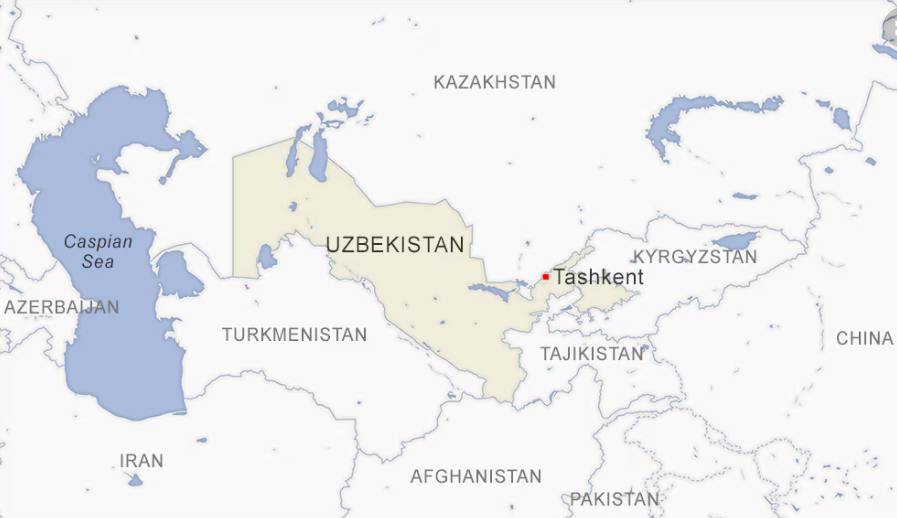
The HRW report portrays the five Central Asian republics as environments marked by human rights violations and authoritarian rule. Positive developments remain rare in Uzbekistan, Kazakhstan, Kyrgyzstan, Tajikistan, and Turkmenistan.
The annual report by Human Rights Watch (HRW) highlights the global spread of authoritarianism, rights violations, and injustices. Spanning 546 pages, the report examines the situation in 100 countries, with a focus on Ukraine, Russia, Afghanistan, China, Gaza, Sudan, Haiti, and other nations.
Governments must protect citizens' rights, ensure security, and uphold the rule of law, HRW emphasizes. Based in New York, HRW is an independent, nonprofit international organization that operates without government funding, relying instead on donations and private sources.
According to HRW, human rights in the U.S. deteriorated during Donald Trump's previous presidency. Concerns about his return to leadership include issues like racism, negative treatment of migrants, and restrictions on freedoms for women and minorities.
In Central Asia, HRW highlights the lack of judicial independence, puppet parliaments, and authoritarian presidents in all five republics. Positive changes are virtually nonexistent, with systemic issues persisting across the region.
Uzbekistan
Human rights protections in Uzbekistan remain dire. In 2024, dozens of activists and bloggers faced repression for promoting justice. Citizens were jailed for criticizing the president online, and dissent was equated with criminal activity. HRW notes the absence of meaningful judicial reforms, ongoing torture in detention, and impunity for officials violating human rights. Civil society remains under tight government control, with only pro-government NGOs allowed to operate freely.
Activists in regions like Karakalpakstan, Andijan, Kashkadarya, and Tashkent have faced baseless prosecutions and imprisonment. A new law penalizes individuals who criticize the government from abroad, potentially leading to deportation or entry bans. Freedom of expression, press, religion, and political activity remain severely restricted.
Turkmenistan
Turkmenistan is one of the world's most closed regimes, with travel in and out of the country heavily restricted. The government arbitrarily detains citizens, denies documents, and imposes severe punishments. Despite international condemnation, the authorities remain unresponsive, insisting citizens live comfortably.
In 2024, the families of activists abroad faced increased pressure. Religious and independent thinkers experienced heightened persecution. Traveling even to neighboring countries has become increasingly difficult for Turkmen citizens.
Kazakhstan
In Kazakhstan, freedoms of assembly, expression, and association are curtailed, and promises of reform have not improved conditions. Domestic violence cases are rarely investigated, and corruption plagues the justice and law enforcement systems. Political activists face continuous prosecution, and independent political parties are not tolerated.
President Kassym-Jomart Tokayev has pledged democratic reforms, but dissenting opinions and actions are treated as crimes. HRW highlights rights abuses in areas like migration and poverty alleviation, which remain systemic issues.
Kyrgyzstan
In Kyrgyzstan, 2024 was a challenging year for media, journalists, and bloggers. Freedom of expression and the press has regressed, with independent outlets like "Kloop Media" forced to shut down. International organizations have urged President Sadyr Japarov to adopt fair governance, but no progress has been made.
Proposed laws intensify penalties for defamation, and the government continues to neglect addressing domestic violence. HRW notes that rights violations persist in border areas shared with Tajikistan, exacerbating hardships for residents.
Tajikistan
Tajikistan's government has focused on forcibly repatriating and imprisoning overseas critics. Protests within the country are treated as illegal. In the Gorno-Badakhshan region, resistance against Dushanbe's rule was violently suppressed, with little external oversight.
Women face systemic oppression at home, work, and within religious and societal spheres, with few measures taken to address these abuses. While employment opportunities for women have expanded, significant barriers persist. The government also exerts pressure on citizens abroad, ensuring critics are silenced through extradition or intimidation.
Conclusion
HRW's report highlights severe human rights violations across Central Asia. From judicial corruption to restricted freedoms and systemic oppression, these issues remain pervasive. The organization calls for greater accountability and reforms to improve the lives of citizens in the region.
HRW Report: Human Rights Violations and Authoritarianism in Central Asia
The HRW report portrays the five Central Asian republics as environments marked by human rights violations and authoritarian rule. Positive developments remain rare in Uzbekistan, Kazakhstan, Kyrgyzstan, Tajikistan, and Turkmenistan.
The annual report by Human Rights Watch (HRW) highlights the global spread of authoritarianism, rights violations, and injustices. Spanning 546 pages, the report examines the situation in 100 countries, with a focus on Ukraine, Russia, Afghanistan, China, Gaza, Sudan, Haiti, and other nations.
Register for Tekedia Mini-MBA edition 20 (June 8 – Sept 5, 2026).
Register for Tekedia AI in Business Masterclass.
Join Tekedia Capital Syndicate and co-invest in great global startups.
Register for Tekedia AI Lab.
Governments must protect citizens' rights, ensure security, and uphold the rule of law, HRW emphasizes. Based in New York, HRW is an independent, nonprofit international organization that operates without government funding, relying instead on donations and private sources.
According to HRW, human rights in the U.S. deteriorated during Donald Trump's previous presidency. Concerns about his return to leadership include issues like racism, negative treatment of migrants, and restrictions on freedoms for women and minorities.
In Central Asia, HRW highlights the lack of judicial independence, puppet parliaments, and authoritarian presidents in all five republics. Positive changes are virtually nonexistent, with systemic issues persisting across the region.

Uzbekistan
Human rights protections in Uzbekistan remain dire. In 2024, dozens of activists and bloggers faced repression for promoting justice. Citizens were jailed for criticizing the president online, and dissent was equated with criminal activity. HRW notes the absence of meaningful judicial reforms, ongoing torture in detention, and impunity for officials violating human rights. Civil society remains under tight government control, with only pro-government NGOs allowed to operate freely.
Activists in regions like Karakalpakstan, Andijan, Kashkadarya, and Tashkent have faced baseless prosecutions and imprisonment. A new law penalizes individuals who criticize the government from abroad, potentially leading to deportation or entry bans. Freedom of expression, press, religion, and political activity remain severely restricted.
Turkmenistan
Turkmenistan is one of the world's most closed regimes, with travel in and out of the country heavily restricted. The government arbitrarily detains citizens, denies documents, and imposes severe punishments. Despite international condemnation, the authorities remain unresponsive, insisting citizens live comfortably.

In 2024, the families of activists abroad faced increased pressure. Religious and independent thinkers experienced heightened persecution. Traveling even to neighboring countries has become increasingly difficult for Turkmen citizens.
Kazakhstan
In Kazakhstan, freedoms of assembly, expression, and association are curtailed, and promises of reform have not improved conditions. Domestic violence cases are rarely investigated, and corruption plagues the justice and law enforcement systems. Political activists face continuous prosecution, and independent political parties are not tolerated.
President Kassym-Jomart Tokayev has pledged democratic reforms, but dissenting opinions and actions are treated as crimes. HRW highlights rights abuses in areas like migration and poverty alleviation, which remain systemic issues.
Kyrgyzstan
In Kyrgyzstan, 2024 was a challenging year for media, journalists, and bloggers. Freedom of expression and the press has regressed, with independent outlets like "Kloop Media" forced to shut down. International organizations have urged President Sadyr Japarov to adopt fair governance, but no progress has been made.
Proposed laws intensify penalties for defamation, and the government continues to neglect addressing domestic violence. HRW notes that rights violations persist in border areas shared with Tajikistan, exacerbating hardships for residents.
Tajikistan
Tajikistan's government has focused on forcibly repatriating and imprisoning overseas critics. Protests within the country are treated as illegal. In the Gorno-Badakhshan region, resistance against Dushanbe's rule was violently suppressed, with little external oversight.
Women face systemic oppression at home, work, and within religious and societal spheres, with few measures taken to address these abuses. While employment opportunities for women have expanded, significant barriers persist. The government also exerts pressure on citizens abroad, ensuring critics are silenced through extradition or intimidation.
Conclusion
HRW's report highlights severe human rights violations across Central Asia. From judicial corruption to restricted freedoms and systemic oppression, these issues remain pervasive. The organization calls for greater accountability and reforms to improve the lives of citizens in the region.
Uploaded files:Share this:
- Click to share on Facebook (Opens in new window) Facebook
- Click to share on X (Opens in new window) X
- Click to share on WhatsApp (Opens in new window) WhatsApp
- Click to share on LinkedIn (Opens in new window) LinkedIn
- Click to email a link to a friend (Opens in new window) Email
- Click to print (Opens in new window) Print