

Israeli Minister Ben Gvir Taunts Jailed Palestinian Leader Marwan Barghouti in Viral Video

Quote from Alex Bobby on August 17, 2025, 6:33 AM
Far-Right Israeli Minister Taunts Prominent Palestinian Prisoner Marwan Barghouti
A short video clip circulating on social media has reignited tensions in the Israeli-Palestinian conflict. The footage shows Israel’s far-right National Security Minister Itamar Ben Gvir taunting the most prominent Palestinian prisoner, Marwan Barghouti, inside his cell. The 13-second video marks the first public sighting of Barghouti in years, revealing him aged and gaunt, yet still a potent symbol of Palestinian resistance.
The Palestinian Authority (PA) swiftly condemned the footage. Vice-President Hussein al-Sheikh described it as “the epitome of psychological, moral and physical terrorism,” accusing Israel of using humiliation as a political tool.
A Rare Glimpse of Marwan Barghouti
Barghouti, 66, has been imprisoned for over two decades. Convicted of planning attacks during the Second Intifada (2000–2005) that resulted in the deaths of five Israeli civilians, he is serving five life sentences plus 40 years. Despite his long imprisonment, he remains one of the most popular Palestinian leaders, consistently topping opinion polls ahead of both President Mahmoud Abbas and Hamas figures.
For many Palestinians, Barghouti represents the figure most capable of uniting the fractured political landscape and negotiating peace with Israel. His enduring popularity explains why footage of him—frail but resolute—has generated such strong reactions across Palestinian society.
In the video, filmed inside his prison cell, Barghouti listens as Ben Gvir tells him:
“You will not win. He who messes with the people of Israel, he who will murder our children, he who will murder our women, we will wipe him out.”
When Barghouti attempts to respond, Ben Gvir cuts him off:
“You need to know this, throughout history.”
The short clip ends there, but its impact has been amplified by Ben Gvir’s decision to repost it on his X (formerly Twitter) account.
Ben Gvir’s Message
The minister, known for his hardline nationalist views, appeared to relish the backlash. After Palestinian officials condemned the taunting, Ben Gvir doubled down:
“I have read that all sorts of senior officials in the PA did not like what I said. I will repeat it again and again without apologising.”
Ben Gvir, who has long advocated harsh measures against Palestinians, particularly those in Israeli prisons, has positioned himself as a leading voice of the Israeli far-right. By publicly confronting Barghouti—a man many Palestinians see as a potential future president—he is not only reaffirming his political base but also sending a message that Israel will not negotiate on figures considered central to past uprisings.
Palestinian Reactions
The release of the video has provoked outrage across the Palestinian territories. Abdullah al-Zaghari, head of the Palestinian Prisoners’ Club, accused Israel of seeking “to eliminate him and assassinate the leaders languishing in its prisons.”
Prisoner rights groups point out that Barghouti has already endured harsh treatment. They say he has been held in solitary confinement since the Hamas-led attacks on Israel on 7 October 2023, and allege that he was brutally assaulted by prison guards last year—claims the Israeli prison service has denied.
For many Palestinians, the clip is not just about Barghouti’s humiliation, but part of a broader campaign to weaken symbols of resistance and strip prisoners of dignity.
Symbolism and Political Weight
Barghouti is not an ordinary prisoner. Despite his incarceration, he retains significant symbolic power both within Fatah—the dominant faction in the Palestinian Authority—and across Palestinian society at large.
His wife, Fadwa Barghouti, sought to turn the video into a moment of strength. She advised supporters to use only one still from the footage, showing her husband upright and defiant, as an image of resilience rather than weakness.
Indeed, many Palestinians see Barghouti as the leader best positioned to reconcile internal divisions between Fatah and Hamas. Some view him as a “Mandela-like” figure whose imprisonment only adds to his legitimacy as a unifying force.
Opinion polls over the past decade consistently suggest that Barghouti would defeat both Abbas and Hamas leaders in a hypothetical presidential election—an outcome that helps explain why Israel is so reluctant to consider releasing him.
The Prisoner Exchange Question
Barghouti’s name has surfaced repeatedly in discussions about potential prisoner exchange deals. Hamas is believed to have included him on its list of prisoners whose release it seeks in return for Israeli hostages still held in Gaza. However, Israeli officials have consistently dismissed the idea, viewing Barghouti as too influential to be freed.
For Israel’s government—particularly under ministers like Ben Gvir—releasing Barghouti would be seen as strengthening Palestinian nationalism and undermining Israeli deterrence. For Palestinians, however, his continued imprisonment reinforces perceptions of injustice and fuels disillusionment with existing peace processes.
Political Theatre or Dangerous Escalation?
The video raises critical questions about the role of spectacle in conflict. Was this act of taunting a calculated move by Ben Gvir to shore up domestic political support? Or does it reflect a deeper strategy of breaking Palestinian symbols of resistance?
Either way, the optics are powerful. The image of a far-right Israeli minister entering the cell of the most popular Palestinian leader and mocking him plays into entrenched narratives on both sides. For Israelis aligned with Ben Gvir, it demonstrates strength and defiance. For Palestinians, it illustrates humiliation, provocation, and the asymmetry of power in their struggle.
Final Thought
In conflicts defined by both politics and perception, even a 13-second video can carry enormous weight. For Israel, the decision to showcase Barghouti’s vulnerability may have been intended as a show of strength. For Palestinians, it has only reinforced his image as a resilient leader. As long as Barghouti remains behind bars, he will continue to be a symbol—of resistance for some, and of threat for others.
Conclusion
The brief but charged video of Itamar Ben Gvir confronting Marwan Barghouti has sparked outrage, condemnation, and renewed debate over the treatment of Palestinian prisoners. Beyond the immediate provocation, it underscores the enduring power of symbols in the Israeli-Palestinian conflict.
Barghouti, though locked away for over 20 years, remains central to Palestinian political imagination. His appearance, frail yet recognisable, reminds both sides of unresolved struggles and unfulfilled negotiations. Ben Gvir’s taunts may resonate with his supporters, but they also risk elevating Barghouti’s stature even further in Palestinian eyes.
Meta Description:
A viral video shows Israeli minister Itamar Ben Gvir taunting imprisoned Palestinian leader Marwan Barghouti, sparking outrage and debate over Barghouti’s enduring role as a symbol of resistance and unity.
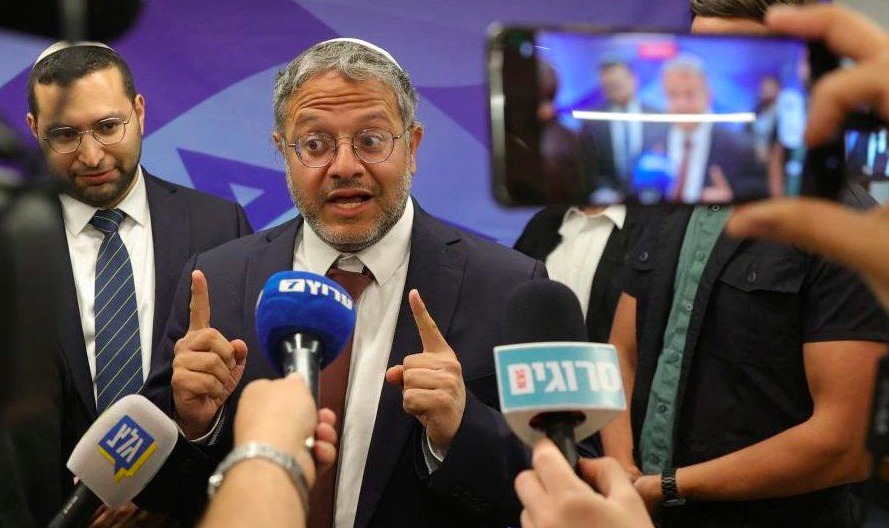
Far-Right Israeli Minister Taunts Prominent Palestinian Prisoner Marwan Barghouti
A short video clip circulating on social media has reignited tensions in the Israeli-Palestinian conflict. The footage shows Israel’s far-right National Security Minister Itamar Ben Gvir taunting the most prominent Palestinian prisoner, Marwan Barghouti, inside his cell. The 13-second video marks the first public sighting of Barghouti in years, revealing him aged and gaunt, yet still a potent symbol of Palestinian resistance.
The Palestinian Authority (PA) swiftly condemned the footage. Vice-President Hussein al-Sheikh described it as “the epitome of psychological, moral and physical terrorism,” accusing Israel of using humiliation as a political tool.
Register for Tekedia Mini-MBA edition 20 (June 8 – Sept 5, 2026).
Register for Tekedia AI in Business Masterclass.
Join Tekedia Capital Syndicate and co-invest in great global startups.
Register for Tekedia AI Lab.
A Rare Glimpse of Marwan Barghouti
Barghouti, 66, has been imprisoned for over two decades. Convicted of planning attacks during the Second Intifada (2000–2005) that resulted in the deaths of five Israeli civilians, he is serving five life sentences plus 40 years. Despite his long imprisonment, he remains one of the most popular Palestinian leaders, consistently topping opinion polls ahead of both President Mahmoud Abbas and Hamas figures.
For many Palestinians, Barghouti represents the figure most capable of uniting the fractured political landscape and negotiating peace with Israel. His enduring popularity explains why footage of him—frail but resolute—has generated such strong reactions across Palestinian society.

In the video, filmed inside his prison cell, Barghouti listens as Ben Gvir tells him:
“You will not win. He who messes with the people of Israel, he who will murder our children, he who will murder our women, we will wipe him out.”
When Barghouti attempts to respond, Ben Gvir cuts him off:

“You need to know this, throughout history.”
The short clip ends there, but its impact has been amplified by Ben Gvir’s decision to repost it on his X (formerly Twitter) account.
Ben Gvir’s Message
The minister, known for his hardline nationalist views, appeared to relish the backlash. After Palestinian officials condemned the taunting, Ben Gvir doubled down:
“I have read that all sorts of senior officials in the PA did not like what I said. I will repeat it again and again without apologising.”
Ben Gvir, who has long advocated harsh measures against Palestinians, particularly those in Israeli prisons, has positioned himself as a leading voice of the Israeli far-right. By publicly confronting Barghouti—a man many Palestinians see as a potential future president—he is not only reaffirming his political base but also sending a message that Israel will not negotiate on figures considered central to past uprisings.
Palestinian Reactions
The release of the video has provoked outrage across the Palestinian territories. Abdullah al-Zaghari, head of the Palestinian Prisoners’ Club, accused Israel of seeking “to eliminate him and assassinate the leaders languishing in its prisons.”
Prisoner rights groups point out that Barghouti has already endured harsh treatment. They say he has been held in solitary confinement since the Hamas-led attacks on Israel on 7 October 2023, and allege that he was brutally assaulted by prison guards last year—claims the Israeli prison service has denied.
For many Palestinians, the clip is not just about Barghouti’s humiliation, but part of a broader campaign to weaken symbols of resistance and strip prisoners of dignity.
Symbolism and Political Weight
Barghouti is not an ordinary prisoner. Despite his incarceration, he retains significant symbolic power both within Fatah—the dominant faction in the Palestinian Authority—and across Palestinian society at large.
His wife, Fadwa Barghouti, sought to turn the video into a moment of strength. She advised supporters to use only one still from the footage, showing her husband upright and defiant, as an image of resilience rather than weakness.
Indeed, many Palestinians see Barghouti as the leader best positioned to reconcile internal divisions between Fatah and Hamas. Some view him as a “Mandela-like” figure whose imprisonment only adds to his legitimacy as a unifying force.
Opinion polls over the past decade consistently suggest that Barghouti would defeat both Abbas and Hamas leaders in a hypothetical presidential election—an outcome that helps explain why Israel is so reluctant to consider releasing him.
The Prisoner Exchange Question
Barghouti’s name has surfaced repeatedly in discussions about potential prisoner exchange deals. Hamas is believed to have included him on its list of prisoners whose release it seeks in return for Israeli hostages still held in Gaza. However, Israeli officials have consistently dismissed the idea, viewing Barghouti as too influential to be freed.
For Israel’s government—particularly under ministers like Ben Gvir—releasing Barghouti would be seen as strengthening Palestinian nationalism and undermining Israeli deterrence. For Palestinians, however, his continued imprisonment reinforces perceptions of injustice and fuels disillusionment with existing peace processes.
Political Theatre or Dangerous Escalation?
The video raises critical questions about the role of spectacle in conflict. Was this act of taunting a calculated move by Ben Gvir to shore up domestic political support? Or does it reflect a deeper strategy of breaking Palestinian symbols of resistance?
Either way, the optics are powerful. The image of a far-right Israeli minister entering the cell of the most popular Palestinian leader and mocking him plays into entrenched narratives on both sides. For Israelis aligned with Ben Gvir, it demonstrates strength and defiance. For Palestinians, it illustrates humiliation, provocation, and the asymmetry of power in their struggle.
Final Thought
In conflicts defined by both politics and perception, even a 13-second video can carry enormous weight. For Israel, the decision to showcase Barghouti’s vulnerability may have been intended as a show of strength. For Palestinians, it has only reinforced his image as a resilient leader. As long as Barghouti remains behind bars, he will continue to be a symbol—of resistance for some, and of threat for others.
Conclusion
The brief but charged video of Itamar Ben Gvir confronting Marwan Barghouti has sparked outrage, condemnation, and renewed debate over the treatment of Palestinian prisoners. Beyond the immediate provocation, it underscores the enduring power of symbols in the Israeli-Palestinian conflict.
Barghouti, though locked away for over 20 years, remains central to Palestinian political imagination. His appearance, frail yet recognisable, reminds both sides of unresolved struggles and unfulfilled negotiations. Ben Gvir’s taunts may resonate with his supporters, but they also risk elevating Barghouti’s stature even further in Palestinian eyes.
Meta Description:
A viral video shows Israeli minister Itamar Ben Gvir taunting imprisoned Palestinian leader Marwan Barghouti, sparking outrage and debate over Barghouti’s enduring role as a symbol of resistance and unity.
Share this:
- Click to share on Facebook (Opens in new window) Facebook
- Click to share on X (Opens in new window) X
- Click to share on WhatsApp (Opens in new window) WhatsApp
- Click to share on LinkedIn (Opens in new window) LinkedIn
- Click to email a link to a friend (Opens in new window) Email
- Click to print (Opens in new window) Print