

Kenya Police Dismantle Trafficking Ring Sending Citizens to Fight for Russia in Ukraine

Quote from Alex Bobby on September 28, 2025, 4:22 AM
Police Break Up Ring Trafficking Kenyans to Fight for Russia in Ukraine
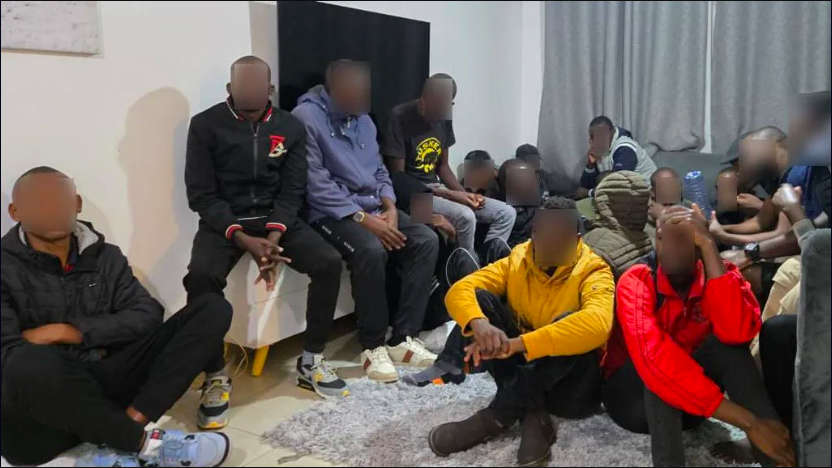
Kenyan authorities say they have dismantled a trafficking network that was luring citizens into fighting for Russia in the war in Ukraine. The revelation, emerging after a recent police raid in Nairobi, has sent shockwaves across the country and raised urgent questions about how young Kenyans are being targeted, coerced, and recruited into foreign conflicts.
According to police officials, recruitment materials, forged travel documents, and fake job offer letters were seized during the operation. The case underscores both the human desperation that traffickers exploit and the global dimensions of Russia’s war effort, which has increasingly relied on foreign nationals to fill its ranks.
The Raid That Exposed a Global Web
The breakthrough came during a late-night raid on a residential property in Nairobi’s Eastlands area. Acting on intelligence, officers stormed the house and arrested several suspects believed to be at the center of a recruitment pipeline.
Inside, police discovered a trove of evidence: passports of young men and women, one-way tickets to Moscow routed through third countries, and letters promising lucrative jobs in security, construction, and logistics. Many of these offers, investigators say, were simply fronts for funneling recruits into Russia’s military apparatus.
“From what we recovered, it is clear this was not small-scale,” one senior officer told local reporters. “This was an organized network with international connections, targeting vulnerable Kenyans with promises of work abroad but ultimately sending them into a war zone.”
The Modus Operandi
Investigators allege the traffickers preyed on unemployed and underemployed Kenyans, particularly youth desperate for opportunity. Victims were approached through WhatsApp groups, social media advertisements, and local fixers posing as employment agents.
The promise was simple and enticing: jobs abroad paying up to $1,500 a month—many times what young workers might expect in Kenya’s domestic job market. Recruits were reportedly told they would be employed in roles like warehouse security or construction. Instead, once arriving in Russia, they were allegedly funneled into recruitment centers and pressured to sign military contracts to serve in Ukraine.
Authorities say some of those already trafficked have gone silent, raising fears they may have been forced into combat. Families across Kenya are now anxiously contacting police to report missing relatives who left under the guise of overseas employment.
Russia’s Recruitment of Foreign Fighters
Russia has increasingly leaned on foreign nationals to bolster its war effort in Ukraine, where battlefield losses have strained manpower. Reports from Africa, Asia, and Latin America suggest that Moscow or affiliated networks have tapped into economic vulnerabilities abroad to entice or coerce fighters.
For Kenya, the exposure of such a network strikes a particularly raw nerve. The country has long struggled with youth unemployment, and many young people look abroad for better prospects. Unscrupulous recruiters often exploit that aspiration, leading to cases of Kenyans trafficked into forced labor in the Middle East, cybercrime rings in Asia, and now, it appears, military service in Russia.
Human Trafficking Meets Geopolitics
This case illustrates the increasingly blurred lines between human trafficking and international conflict. What might initially appear as a labor migration scam quickly morphs into a geopolitical issue when victims are funneled into foreign wars.
“This is human trafficking weaponized for geopolitical ends,” said a Nairobi-based security analyst. “It is not just exploitation for profit but exploitation in service of a state’s military objectives.”
The analyst noted that by targeting vulnerable populations in the Global South, networks aligned with Russia can both fill manpower gaps and complicate the diplomatic relationships of countries like Kenya, which has officially condemned the invasion of Ukraine at the United Nations.
Government Response
Kenya’s Directorate of Criminal Investigations (DCI) says it has launched a multi-agency probe into the trafficking ring, working with immigration services, the Ministry of Foreign Affairs, and international partners. Officials have pledged to trace the recruiters’ funding sources and identify the overseas contacts facilitating travel and placement.
Interior Cabinet Secretary Kithure Kindiki called the operation “a wake-up call” and warned that Kenya would not allow its citizens to be exploited as cannon fodder in foreign conflicts. He urged families and communities to be vigilant against suspicious job offers, stressing that “if it sounds too good to be true, it probably is.”
At the same time, Kenya is seeking assistance from international partners to determine how many citizens may already be in Russia or Ukraine and what measures can be taken to repatriate them.
Families Caught in the Middle
For the families of those already lost to the scheme, the news brings both relief and heartbreak. Relief that authorities are finally confronting the problem, but heartbreak at the thought of loved ones stranded in a war zone thousands of miles away.
One mother in Mombasa told local reporters that her son had left months earlier after securing what he believed was a construction job in Moscow. Since then, she has only received one short phone call, and then silence. “Now I understand what may have happened,” she said, fighting back tears.
Such stories highlight the human cost of trafficking, which is often measured not just in economic exploitation but in shattered families and lives cut short.
The Bigger Picture
Kenya is not alone in grappling with this issue. Across Africa, from Nigeria to South Africa, reports have surfaced of young people being approached with offers of travel and jobs in Russia, only to face coercion into the military. For many governments, the challenge lies in balancing domestic employment needs, migration oversight, and foreign policy pressures.
The latest bust in Nairobi sends a message that Kenyan authorities are alert to the threat—but also reveals the scale of the problem. As long as economic desperation persists, traffickers will find fertile ground for their schemes.
Looking Forward
The dismantling of this trafficking ring is only the beginning. Kenyan authorities now face the challenge of tracking down other networks that may still be operating in the shadows, while also working with international partners to identify and repatriate citizens already caught up in Russia’s war. Longer term, the fight will require not only stronger law enforcement but also addressing the root causes of vulnerability—chief among them unemployment and limited opportunities for young people.
As Kenya steps up its vigilance, the case serves as a reminder that in an interconnected world, foreign conflicts can reach far beyond their borders. Preventing future exploitation will demand coordinated global action to close recruitment pipelines and protect those most at risk of being trafficked into wars they never chose to fight.
Final Thoughts
The breaking up of this trafficking ring should serve as both a warning and a call to action. It underscores the vulnerability of young Kenyans to predatory networks that exploit hope for a better future. But it also illustrates how conflicts far away can reach deep into communities through the back channels of trafficking and deception.
The case challenges Kenya—and the international community—to confront human trafficking not just as a crime but as a strategic tool exploited in war. Protecting vulnerable populations from such exploitation is not only a matter of domestic security but of global responsibility.
Conclusion
The bust of a trafficking network recruiting Kenyans to fight for Russia in Ukraine reveals how global conflicts exploit local vulnerabilities. What began as a promise of overseas jobs turned into a pipeline to the battlefield, leaving families in anguish and exposing gaps in migration oversight. For Kenya, the case is a stark reminder of the urgent need to protect its citizens from predatory networks while strengthening safeguards against human trafficking. For the wider world, it underscores how wars are no longer confined to borders—they ripple outward, ensnaring the desperate and vulnerable in conflicts not their own.
Meta Description
Kenyan police bust a trafficking ring recruiting youth to fight in Russia’s war on Ukraine, seizing fake job offers, travel papers, and passports.
Police Break Up Ring Trafficking Kenyans to Fight for Russia in Ukraine
Kenyan authorities say they have dismantled a trafficking network that was luring citizens into fighting for Russia in the war in Ukraine. The revelation, emerging after a recent police raid in Nairobi, has sent shockwaves across the country and raised urgent questions about how young Kenyans are being targeted, coerced, and recruited into foreign conflicts.
According to police officials, recruitment materials, forged travel documents, and fake job offer letters were seized during the operation. The case underscores both the human desperation that traffickers exploit and the global dimensions of Russia’s war effort, which has increasingly relied on foreign nationals to fill its ranks.
Register for Tekedia Mini-MBA edition 20 (June 8 – Sept 5, 2026).
Register for Tekedia AI in Business Masterclass.
Join Tekedia Capital Syndicate and co-invest in great global startups.
Register for Tekedia AI Lab.
The Raid That Exposed a Global Web
The breakthrough came during a late-night raid on a residential property in Nairobi’s Eastlands area. Acting on intelligence, officers stormed the house and arrested several suspects believed to be at the center of a recruitment pipeline.
Inside, police discovered a trove of evidence: passports of young men and women, one-way tickets to Moscow routed through third countries, and letters promising lucrative jobs in security, construction, and logistics. Many of these offers, investigators say, were simply fronts for funneling recruits into Russia’s military apparatus.

“From what we recovered, it is clear this was not small-scale,” one senior officer told local reporters. “This was an organized network with international connections, targeting vulnerable Kenyans with promises of work abroad but ultimately sending them into a war zone.”
The Modus Operandi
Investigators allege the traffickers preyed on unemployed and underemployed Kenyans, particularly youth desperate for opportunity. Victims were approached through WhatsApp groups, social media advertisements, and local fixers posing as employment agents.

The promise was simple and enticing: jobs abroad paying up to $1,500 a month—many times what young workers might expect in Kenya’s domestic job market. Recruits were reportedly told they would be employed in roles like warehouse security or construction. Instead, once arriving in Russia, they were allegedly funneled into recruitment centers and pressured to sign military contracts to serve in Ukraine.
Authorities say some of those already trafficked have gone silent, raising fears they may have been forced into combat. Families across Kenya are now anxiously contacting police to report missing relatives who left under the guise of overseas employment.
Russia’s Recruitment of Foreign Fighters
Russia has increasingly leaned on foreign nationals to bolster its war effort in Ukraine, where battlefield losses have strained manpower. Reports from Africa, Asia, and Latin America suggest that Moscow or affiliated networks have tapped into economic vulnerabilities abroad to entice or coerce fighters.
For Kenya, the exposure of such a network strikes a particularly raw nerve. The country has long struggled with youth unemployment, and many young people look abroad for better prospects. Unscrupulous recruiters often exploit that aspiration, leading to cases of Kenyans trafficked into forced labor in the Middle East, cybercrime rings in Asia, and now, it appears, military service in Russia.
Human Trafficking Meets Geopolitics
This case illustrates the increasingly blurred lines between human trafficking and international conflict. What might initially appear as a labor migration scam quickly morphs into a geopolitical issue when victims are funneled into foreign wars.
“This is human trafficking weaponized for geopolitical ends,” said a Nairobi-based security analyst. “It is not just exploitation for profit but exploitation in service of a state’s military objectives.”
The analyst noted that by targeting vulnerable populations in the Global South, networks aligned with Russia can both fill manpower gaps and complicate the diplomatic relationships of countries like Kenya, which has officially condemned the invasion of Ukraine at the United Nations.
Government Response
Kenya’s Directorate of Criminal Investigations (DCI) says it has launched a multi-agency probe into the trafficking ring, working with immigration services, the Ministry of Foreign Affairs, and international partners. Officials have pledged to trace the recruiters’ funding sources and identify the overseas contacts facilitating travel and placement.
Interior Cabinet Secretary Kithure Kindiki called the operation “a wake-up call” and warned that Kenya would not allow its citizens to be exploited as cannon fodder in foreign conflicts. He urged families and communities to be vigilant against suspicious job offers, stressing that “if it sounds too good to be true, it probably is.”
At the same time, Kenya is seeking assistance from international partners to determine how many citizens may already be in Russia or Ukraine and what measures can be taken to repatriate them.
Families Caught in the Middle
For the families of those already lost to the scheme, the news brings both relief and heartbreak. Relief that authorities are finally confronting the problem, but heartbreak at the thought of loved ones stranded in a war zone thousands of miles away.
One mother in Mombasa told local reporters that her son had left months earlier after securing what he believed was a construction job in Moscow. Since then, she has only received one short phone call, and then silence. “Now I understand what may have happened,” she said, fighting back tears.
Such stories highlight the human cost of trafficking, which is often measured not just in economic exploitation but in shattered families and lives cut short.
The Bigger Picture
Kenya is not alone in grappling with this issue. Across Africa, from Nigeria to South Africa, reports have surfaced of young people being approached with offers of travel and jobs in Russia, only to face coercion into the military. For many governments, the challenge lies in balancing domestic employment needs, migration oversight, and foreign policy pressures.
The latest bust in Nairobi sends a message that Kenyan authorities are alert to the threat—but also reveals the scale of the problem. As long as economic desperation persists, traffickers will find fertile ground for their schemes.
Looking Forward
The dismantling of this trafficking ring is only the beginning. Kenyan authorities now face the challenge of tracking down other networks that may still be operating in the shadows, while also working with international partners to identify and repatriate citizens already caught up in Russia’s war. Longer term, the fight will require not only stronger law enforcement but also addressing the root causes of vulnerability—chief among them unemployment and limited opportunities for young people.
As Kenya steps up its vigilance, the case serves as a reminder that in an interconnected world, foreign conflicts can reach far beyond their borders. Preventing future exploitation will demand coordinated global action to close recruitment pipelines and protect those most at risk of being trafficked into wars they never chose to fight.
Final Thoughts
The breaking up of this trafficking ring should serve as both a warning and a call to action. It underscores the vulnerability of young Kenyans to predatory networks that exploit hope for a better future. But it also illustrates how conflicts far away can reach deep into communities through the back channels of trafficking and deception.
The case challenges Kenya—and the international community—to confront human trafficking not just as a crime but as a strategic tool exploited in war. Protecting vulnerable populations from such exploitation is not only a matter of domestic security but of global responsibility.
Conclusion
The bust of a trafficking network recruiting Kenyans to fight for Russia in Ukraine reveals how global conflicts exploit local vulnerabilities. What began as a promise of overseas jobs turned into a pipeline to the battlefield, leaving families in anguish and exposing gaps in migration oversight. For Kenya, the case is a stark reminder of the urgent need to protect its citizens from predatory networks while strengthening safeguards against human trafficking. For the wider world, it underscores how wars are no longer confined to borders—they ripple outward, ensnaring the desperate and vulnerable in conflicts not their own.
Meta Description
Kenyan police bust a trafficking ring recruiting youth to fight in Russia’s war on Ukraine, seizing fake job offers, travel papers, and passports.
Share this:
- Click to share on Facebook (Opens in new window) Facebook
- Click to share on X (Opens in new window) X
- Click to share on WhatsApp (Opens in new window) WhatsApp
- Click to share on LinkedIn (Opens in new window) LinkedIn
- Click to email a link to a friend (Opens in new window) Email
- Click to print (Opens in new window) Print