

Lisbon Earthquakes Explained: Scientists Discover Tectonic Fissure off Portugal’s Coast

Quote from Alex Bobby on August 29, 2025, 6:27 AM
A Fissure Beneath the Atlantic: Unlocking the Mystery Behind Lisbon’s Deadly Earthquakes
For centuries, the great Lisbon earthquake of 1755 has remained one of the most destructive natural disasters in European history. With tens of thousands of lives lost and the city left in ruins, it became a defining event not only for Portugal but also for the scientific study of earthquakes worldwide. Yet despite centuries of research, geologists have long struggled to fully explain the origin of that catastrophic tremor — and of other major quakes felt in Portugal, including one in 1969.
Now, a breakthrough discovery may finally provide the missing piece of the puzzle. Researchers from the University of Lisbon have identified a fissure in the tectonic plate 200 kilometres off the coast of Cabo de São Vicente, near Sagres. According to their study published in Nature Geosciences, this fissure has been forming for at least five million years, and it could be the hidden driver of the seismic forces that periodically rattle Lisbon.
The Hidden Fissure Beneath the Atlantic
The discovery centre’s on the Ferradura Abyssal Plain, a geological formation in the Atlantic Ocean not far from the Gorringe Bank, where the Eurasian and African tectonic plates meet. This area has long intrigued scientists because, unlike well-known fault zones such as California’s San Andreas, it is a relatively flat seabed with no obvious seismic fractures.
Yet both the 1755 Lisbon earthquake and the destructive 1969 quake originated in this region. Until now, geologists could only speculate about the mechanism behind them. The new research suggests that the key lies in an unusual geological process: the slow fracturing and peeling away of part of the tectonic plate itself.
Understanding the Process: What is Delamination?
Geologists call this process delamination. João Duarte, co-author of the study and a professor at the University of Lisbon’s Faculty of Sciences, explains it as if the tectonic plate were being sliced in two by a horizontal blade.
The fissure separates the plate into upper and lower sections. The lower portion, stripped from the rest of the plate, is sinking deeper into the Earth’s mantle — already reaching depths of 200 kilometres, twice what is normally expected. Meanwhile, the upper portion remains largely horizontal and intact, making the phenomenon difficult to detect.
It was only thanks to new seismic imaging techniques, likened to an “ultrasound of the Earth,” that scientists could visualise what was happening beneath the seabed. This imaging, combined with seismometers deployed on the ocean floor for eight months, revealed clusters of small but unusually deep earthquakes. These patterns provided the evidence needed to confirm that deamination was underway.
Why This Matters for Lisbon
Deamination itself doesn’t directly cause earthquakes, but it creates the conditions for them. Earthquakes occur when stress builds up along tectonic boundaries and is suddenly released. In the case of Lisbon, the ongoing separation of the plate creates irregular stresses deep underground.
Unlike a traditional fault line, where the rupture is visible and somewhat predictable, this hidden fissure allows stress to accumulate silently, only to be unleashed in powerful and often unexpected ways. That could explain why Lisbon has experienced devastating quakes despite appearing far from any classic seismic hotspot.
The 1755 event remains the most infamous example, generating a tsunami and fires that destroyed much of the city. But more recent tremors, such as the 1969 quake and the February 2025 event — a magnitude 4.7 quake felt across Lisbon and surrounding regions — remind residents that seismic risks are still very much alive.
Technology and Future Monitoring
One hopeful outcome of this discovery is that it opens new doors for earthquake monitoring. João Duarte notes that the installation of a new generation of undersea communications cables, which will connect both sides of the Atlantic and pass through the Azores, Madeira, and the Horseshoe Abyssal Plain, could be a game-changer.
These cables, equipped with advanced sensors, may allow scientists to monitor seismic activity in unprecedented detail, particularly in regions like the Ferradura Abyssal Plain where direct observation is otherwise impossible. This could help predict not only the occurrence of small tremors but also provide early warning signs of larger, more destructive quakes.
A Region of Global Importance
Lisbon’s seismic history is not just a Portuguese concern. The 1755 earthquake had a profound influence on European thought, shaping Enlightenment discussions on natural disasters, theology, and science. Philosophers such as Voltaire and Rousseau debated its meaning, while modern seismology was partly born from attempts to understand it.
Now, with the discovery of the tectonic fissure, Lisbon’s role as a “case study” for earthquake science continues. The insights gained here could be applied to other regions of the world where hidden geological processes may be at work beneath seemingly stable plates.
Looking Ahead
The discovery of the tectonic fissure of Sagres may not prevent future earthquakes, but it brings clarity to a mystery that has endured for centuries. Lisbon’s vulnerability is now better understood, and that knowledge can inform both scientific study and public safety planning.
As João Duarte and his team continue their research, one thing is clear: the Earth beneath Portugal is alive with slow but powerful forces, shaping not only the landscape but also the history and destiny of its people. By unveiling the hidden mechanics of the tectonic plates, science takes another step toward safeguarding the future, even in the face of nature’s most unpredictable power.
Final Thoughts
The revelation of a tectonic fissure beneath the Atlantic marks a turning point in our understanding of Lisbon’s seismic history. For centuries, the origins of its devastating earthquakes were cloaked in mystery, but science is now peeling back the layers to reveal a deeper truth. While the threat of future tremors cannot be eliminated, this discovery provides hope that improved monitoring and preparedness can reduce their impact. Lisbon, a city shaped by resilience, stands at the intersection of history and geology — a reminder that the forces of the Earth are both destructive and awe-inspiring.
Conclusion
The discovery of a tectonic fissure off the coast of Cabo de São Vicente provides groundbreaking insight into the origins of Lisbon’s most destructive earthquakes, including the infamous 1755 disaster. By identifying the process of plate deamination deep beneath the Atlantic, scientists can now better explain how seismic energy builds in a region once thought geologically stable. While Lisbon remains vulnerable to future quakes, this research opens the door to more accurate monitoring and early-warning systems. Ultimately, the findings highlight both the immense power of Earth’s geological forces and the importance of scientific advancement in protecting communities that live in their shadow.
Would you like me to also prepare a one-sentence punchy conclusion for readers who just skim the article?
Meta Description:
A newly discovered tectonic fissure off Portugal’s coast may explain Lisbon’s historic earthquakes, including the 1755 disaster. Scientists say the delamination process could reshape seismic research and improve monitoring in the Atlantic.
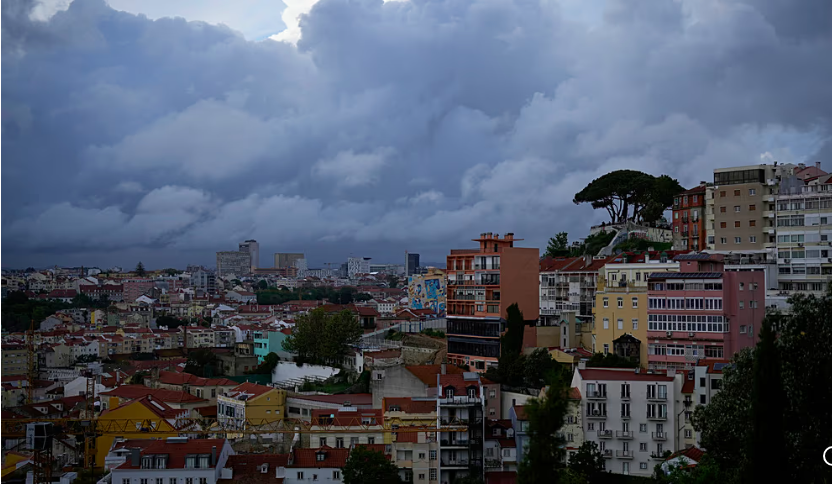
A Fissure Beneath the Atlantic: Unlocking the Mystery Behind Lisbon’s Deadly Earthquakes
For centuries, the great Lisbon earthquake of 1755 has remained one of the most destructive natural disasters in European history. With tens of thousands of lives lost and the city left in ruins, it became a defining event not only for Portugal but also for the scientific study of earthquakes worldwide. Yet despite centuries of research, geologists have long struggled to fully explain the origin of that catastrophic tremor — and of other major quakes felt in Portugal, including one in 1969.
Now, a breakthrough discovery may finally provide the missing piece of the puzzle. Researchers from the University of Lisbon have identified a fissure in the tectonic plate 200 kilometres off the coast of Cabo de São Vicente, near Sagres. According to their study published in Nature Geosciences, this fissure has been forming for at least five million years, and it could be the hidden driver of the seismic forces that periodically rattle Lisbon.
Register for Tekedia Mini-MBA edition 20 (June 8 – Sept 5, 2026).
Register for Tekedia AI in Business Masterclass.
Join Tekedia Capital Syndicate and co-invest in great global startups.
Register for Tekedia AI Lab.
The Hidden Fissure Beneath the Atlantic
The discovery centre’s on the Ferradura Abyssal Plain, a geological formation in the Atlantic Ocean not far from the Gorringe Bank, where the Eurasian and African tectonic plates meet. This area has long intrigued scientists because, unlike well-known fault zones such as California’s San Andreas, it is a relatively flat seabed with no obvious seismic fractures.
Yet both the 1755 Lisbon earthquake and the destructive 1969 quake originated in this region. Until now, geologists could only speculate about the mechanism behind them. The new research suggests that the key lies in an unusual geological process: the slow fracturing and peeling away of part of the tectonic plate itself.

Understanding the Process: What is Delamination?
Geologists call this process delamination. João Duarte, co-author of the study and a professor at the University of Lisbon’s Faculty of Sciences, explains it as if the tectonic plate were being sliced in two by a horizontal blade.
The fissure separates the plate into upper and lower sections. The lower portion, stripped from the rest of the plate, is sinking deeper into the Earth’s mantle — already reaching depths of 200 kilometres, twice what is normally expected. Meanwhile, the upper portion remains largely horizontal and intact, making the phenomenon difficult to detect.

It was only thanks to new seismic imaging techniques, likened to an “ultrasound of the Earth,” that scientists could visualise what was happening beneath the seabed. This imaging, combined with seismometers deployed on the ocean floor for eight months, revealed clusters of small but unusually deep earthquakes. These patterns provided the evidence needed to confirm that deamination was underway.
Why This Matters for Lisbon
Deamination itself doesn’t directly cause earthquakes, but it creates the conditions for them. Earthquakes occur when stress builds up along tectonic boundaries and is suddenly released. In the case of Lisbon, the ongoing separation of the plate creates irregular stresses deep underground.
Unlike a traditional fault line, where the rupture is visible and somewhat predictable, this hidden fissure allows stress to accumulate silently, only to be unleashed in powerful and often unexpected ways. That could explain why Lisbon has experienced devastating quakes despite appearing far from any classic seismic hotspot.
The 1755 event remains the most infamous example, generating a tsunami and fires that destroyed much of the city. But more recent tremors, such as the 1969 quake and the February 2025 event — a magnitude 4.7 quake felt across Lisbon and surrounding regions — remind residents that seismic risks are still very much alive.
Technology and Future Monitoring
One hopeful outcome of this discovery is that it opens new doors for earthquake monitoring. João Duarte notes that the installation of a new generation of undersea communications cables, which will connect both sides of the Atlantic and pass through the Azores, Madeira, and the Horseshoe Abyssal Plain, could be a game-changer.
These cables, equipped with advanced sensors, may allow scientists to monitor seismic activity in unprecedented detail, particularly in regions like the Ferradura Abyssal Plain where direct observation is otherwise impossible. This could help predict not only the occurrence of small tremors but also provide early warning signs of larger, more destructive quakes.
A Region of Global Importance
Lisbon’s seismic history is not just a Portuguese concern. The 1755 earthquake had a profound influence on European thought, shaping Enlightenment discussions on natural disasters, theology, and science. Philosophers such as Voltaire and Rousseau debated its meaning, while modern seismology was partly born from attempts to understand it.
Now, with the discovery of the tectonic fissure, Lisbon’s role as a “case study” for earthquake science continues. The insights gained here could be applied to other regions of the world where hidden geological processes may be at work beneath seemingly stable plates.
Looking Ahead
The discovery of the tectonic fissure of Sagres may not prevent future earthquakes, but it brings clarity to a mystery that has endured for centuries. Lisbon’s vulnerability is now better understood, and that knowledge can inform both scientific study and public safety planning.
As João Duarte and his team continue their research, one thing is clear: the Earth beneath Portugal is alive with slow but powerful forces, shaping not only the landscape but also the history and destiny of its people. By unveiling the hidden mechanics of the tectonic plates, science takes another step toward safeguarding the future, even in the face of nature’s most unpredictable power.
Final Thoughts
The revelation of a tectonic fissure beneath the Atlantic marks a turning point in our understanding of Lisbon’s seismic history. For centuries, the origins of its devastating earthquakes were cloaked in mystery, but science is now peeling back the layers to reveal a deeper truth. While the threat of future tremors cannot be eliminated, this discovery provides hope that improved monitoring and preparedness can reduce their impact. Lisbon, a city shaped by resilience, stands at the intersection of history and geology — a reminder that the forces of the Earth are both destructive and awe-inspiring.
Conclusion
The discovery of a tectonic fissure off the coast of Cabo de São Vicente provides groundbreaking insight into the origins of Lisbon’s most destructive earthquakes, including the infamous 1755 disaster. By identifying the process of plate deamination deep beneath the Atlantic, scientists can now better explain how seismic energy builds in a region once thought geologically stable. While Lisbon remains vulnerable to future quakes, this research opens the door to more accurate monitoring and early-warning systems. Ultimately, the findings highlight both the immense power of Earth’s geological forces and the importance of scientific advancement in protecting communities that live in their shadow.
Would you like me to also prepare a one-sentence punchy conclusion for readers who just skim the article?
Meta Description:
A newly discovered tectonic fissure off Portugal’s coast may explain Lisbon’s historic earthquakes, including the 1755 disaster. Scientists say the delamination process could reshape seismic research and improve monitoring in the Atlantic.
Share this:
- Click to share on Facebook (Opens in new window) Facebook
- Click to share on X (Opens in new window) X
- Click to share on WhatsApp (Opens in new window) WhatsApp
- Click to share on LinkedIn (Opens in new window) LinkedIn
- Click to email a link to a friend (Opens in new window) Email
- Click to print (Opens in new window) Print