

Lost Turner Painting Resurfaces After 150 Years—First Exhibited Oil Work to Be Auctioned by Sotheby’s

Quote from Alex Bobby on June 6, 2025, 8:08 AM
Turner’s First Exhibited Oil Painting Resurfaces After 150 Years in Obscurity
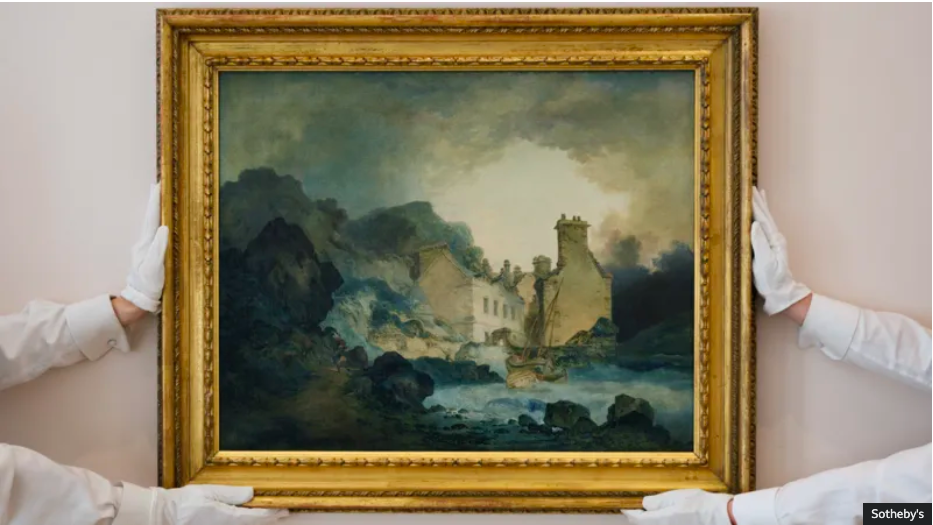
A long-lost artwork by one of Britain’s greatest painters, J.M.W. Turner, is set to go under the hammer after lying hidden in obscurity for more than 150 years. “The Rising Squall”, Turner’s first ever exhibited oil painting, will be displayed at Sotheby’s in London between 28 June and 1 July, ahead of an auction that could fetch up to £300,000.
The dramatic landscape captures a now-vanished hot spring and spa in Bristol, viewed from the east bank of the River Avon—decades before the iconic Clifton Suspension Bridge was constructed. It is a vivid glimpse not just of a bygone landscape, but of a teenage Turner’s raw talent and early experimentation with oil on canvas.
A Teenage Prodigy's Breakthrough
When Joseph Mallord William Turner exhibited The Rising Squall at the Royal Academy in 1793, he had just turned 18. Already known for his skill with watercolours, this marked a pivotal moment—his entry into the world of oil painting and formal exhibition.
Julian Gascoigne, Senior Specialist at Sotheby’s, described the piece as “a fascinating and very instructive insight into his early style,” revealing Turner’s “ambition and skill” even as a teenager. “It’s very much an experiment in oil,” said Gascoigne. “You can see him trying to reconcile his watercolour technique with the challenges of oil painting.”
From London to the West Country—and Beyond
The Rising Squall was painted during Turner’s first artistic tour outside London, a trip that took him west into the dramatic and picturesque landscapes of Somerset and Bristol. At the time, these regions were a magnet for artists inspired by the burgeoning Romantic movement and its emphasis on the sublime and the picturesque.
“Bristol would have been a very natural place for a young artist based in London to get to relatively easily and cheaply,” Gascoigne said. “But it also offered him the kind of dramatic scenery that was becoming central to artistic expression in the late 18th century.”
The painting features ominous skies and turbulent natural energy—a precursor to the elemental fury seen in Turner’s later masterpieces. It is also emblematic of the emotional force and movement that would define his work.
A Painting’s Curious Journey
After its debut, the painting was purchased by Reverend Robert Nixon, a customer of Turner’s father, who worked as a barber. The painting remained in the Nixon family after Robert’s death, eventually passing to his son. From there, The Rising Squall embarked on an unusual journey—ending up in Tasmania, Australia, where it was last exhibited in 1858.
For over a century, the painting fell into obscurity. Though it was referenced in some Turner obituaries, its importance and identity were misunderstood. Most significantly, it was mistaken for a watercolour, which excluded it from official catalogues of Turner’s exhibited oil works.
That changed only last year, when a routine cleaning and restoration project uncovered Turner’s signature. Confirmed as an authentic oil painting by the master himself, its historical and artistic value skyrocketed.
A Shift in Art History
Until this discovery, Turner’s Fishermen at Sea—also painted in 1793—was widely believed to be his first exhibited oil painting. The re-emergence of The Rising Squall shifts that narrative, offering scholars and art lovers a deeper understanding of the artist’s early development.
“This changes the timeline,” Gascoigne said. “It forces us to re-evaluate Turner’s formative years, his stylistic choices, and his early ambitions. We now know that The Rising Squall predates what we thought was his first oil masterpiece.”
From Hidden Treasure to Auction Spotlight
Sotheby’s is preparing for considerable interest when The Rising Squall goes to auction. While £300,000 is the estimated top value, experts suggest the historic significance of the piece could drive bidding even higher. Collectors and museums are expected to take a close interest in acquiring a work that offers such a vivid look into Turner’s emergence as an oil painter.
Before it is sold, the painting will be displayed publicly for four days, giving art enthusiasts a rare chance to witness Turner’s early genius in person.
A Rare Opportunity
The Rising Squall is more than just a rediscovered painting—it is a historical artifact that reshapes our understanding of Turner’s early years, revealing a passionate and gifted young artist ready to challenge convention and redefine landscape art.
As the art world turns its attention to this remarkable find, the auction of The Rising Squall promises to be not only a financial event, but also a major moment in British art history—a chance to reclaim and celebrate a long-lost chapter in the career of a national treasure.
Conclusion:
The rediscovery of The Rising Squall not only enriches the legacy of J.M.W. Turner but also offers a rare glimpse into the early genius of one of Britain’s greatest artists. Long hidden from public view and mistaken for a watercolour, the painting's authentication as Turner’s first exhibited oil work marks a significant moment in art history. As it heads to auction with a valuation of up to £300,000, The Rising Squall stands as a testament to Turner’s early ambition and evolving mastery. For collectors, historians, and art lovers alike, this lost-and-found treasure is more than a work of art—it’s a story of rediscovery, historical intrigue, and timeless talent.
Turner’s First Exhibited Oil Painting Resurfaces After 150 Years in Obscurity
A long-lost artwork by one of Britain’s greatest painters, J.M.W. Turner, is set to go under the hammer after lying hidden in obscurity for more than 150 years. “The Rising Squall”, Turner’s first ever exhibited oil painting, will be displayed at Sotheby’s in London between 28 June and 1 July, ahead of an auction that could fetch up to £300,000.
The dramatic landscape captures a now-vanished hot spring and spa in Bristol, viewed from the east bank of the River Avon—decades before the iconic Clifton Suspension Bridge was constructed. It is a vivid glimpse not just of a bygone landscape, but of a teenage Turner’s raw talent and early experimentation with oil on canvas.
Register for Tekedia Mini-MBA edition 20 (June 8 – Sept 5, 2026).
Register for Tekedia AI in Business Masterclass.
Join Tekedia Capital Syndicate and co-invest in great global startups.
Register for Tekedia AI Lab.
A Teenage Prodigy's Breakthrough
When Joseph Mallord William Turner exhibited The Rising Squall at the Royal Academy in 1793, he had just turned 18. Already known for his skill with watercolours, this marked a pivotal moment—his entry into the world of oil painting and formal exhibition.
Julian Gascoigne, Senior Specialist at Sotheby’s, described the piece as “a fascinating and very instructive insight into his early style,” revealing Turner’s “ambition and skill” even as a teenager. “It’s very much an experiment in oil,” said Gascoigne. “You can see him trying to reconcile his watercolour technique with the challenges of oil painting.”

From London to the West Country—and Beyond
The Rising Squall was painted during Turner’s first artistic tour outside London, a trip that took him west into the dramatic and picturesque landscapes of Somerset and Bristol. At the time, these regions were a magnet for artists inspired by the burgeoning Romantic movement and its emphasis on the sublime and the picturesque.
“Bristol would have been a very natural place for a young artist based in London to get to relatively easily and cheaply,” Gascoigne said. “But it also offered him the kind of dramatic scenery that was becoming central to artistic expression in the late 18th century.”

The painting features ominous skies and turbulent natural energy—a precursor to the elemental fury seen in Turner’s later masterpieces. It is also emblematic of the emotional force and movement that would define his work.
A Painting’s Curious Journey
After its debut, the painting was purchased by Reverend Robert Nixon, a customer of Turner’s father, who worked as a barber. The painting remained in the Nixon family after Robert’s death, eventually passing to his son. From there, The Rising Squall embarked on an unusual journey—ending up in Tasmania, Australia, where it was last exhibited in 1858.
For over a century, the painting fell into obscurity. Though it was referenced in some Turner obituaries, its importance and identity were misunderstood. Most significantly, it was mistaken for a watercolour, which excluded it from official catalogues of Turner’s exhibited oil works.
That changed only last year, when a routine cleaning and restoration project uncovered Turner’s signature. Confirmed as an authentic oil painting by the master himself, its historical and artistic value skyrocketed.
A Shift in Art History
Until this discovery, Turner’s Fishermen at Sea—also painted in 1793—was widely believed to be his first exhibited oil painting. The re-emergence of The Rising Squall shifts that narrative, offering scholars and art lovers a deeper understanding of the artist’s early development.
“This changes the timeline,” Gascoigne said. “It forces us to re-evaluate Turner’s formative years, his stylistic choices, and his early ambitions. We now know that The Rising Squall predates what we thought was his first oil masterpiece.”
From Hidden Treasure to Auction Spotlight
Sotheby’s is preparing for considerable interest when The Rising Squall goes to auction. While £300,000 is the estimated top value, experts suggest the historic significance of the piece could drive bidding even higher. Collectors and museums are expected to take a close interest in acquiring a work that offers such a vivid look into Turner’s emergence as an oil painter.
Before it is sold, the painting will be displayed publicly for four days, giving art enthusiasts a rare chance to witness Turner’s early genius in person.
A Rare Opportunity
The Rising Squall is more than just a rediscovered painting—it is a historical artifact that reshapes our understanding of Turner’s early years, revealing a passionate and gifted young artist ready to challenge convention and redefine landscape art.
As the art world turns its attention to this remarkable find, the auction of The Rising Squall promises to be not only a financial event, but also a major moment in British art history—a chance to reclaim and celebrate a long-lost chapter in the career of a national treasure.
Conclusion:
The rediscovery of The Rising Squall not only enriches the legacy of J.M.W. Turner but also offers a rare glimpse into the early genius of one of Britain’s greatest artists. Long hidden from public view and mistaken for a watercolour, the painting's authentication as Turner’s first exhibited oil work marks a significant moment in art history. As it heads to auction with a valuation of up to £300,000, The Rising Squall stands as a testament to Turner’s early ambition and evolving mastery. For collectors, historians, and art lovers alike, this lost-and-found treasure is more than a work of art—it’s a story of rediscovery, historical intrigue, and timeless talent.
Share this:
- Click to share on Facebook (Opens in new window) Facebook
- Click to share on X (Opens in new window) X
- Click to share on WhatsApp (Opens in new window) WhatsApp
- Click to share on LinkedIn (Opens in new window) LinkedIn
- Click to email a link to a friend (Opens in new window) Email
- Click to print (Opens in new window) Print