

Post-Hasina Bangladesh: Jubilation Meets Uncertain Future Amid Rising Tensions

Quote from Alex Bobby on August 11, 2025, 6:32 AM
Jubilant Scenes but a Bumpy Road Ahead in Post-Hasina Bangladesh
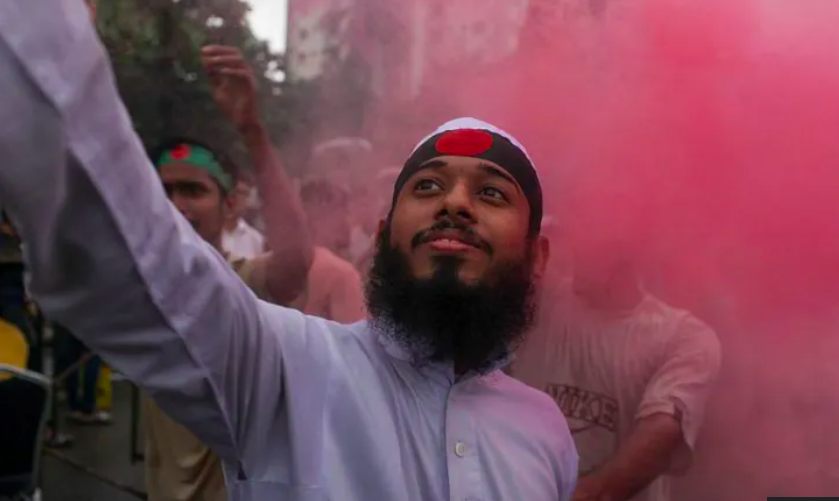
A year has passed since the dramatic downfall of Prime Minister Sheikh Hasina, and the streets of Dhaka this week erupted in celebration. Despite the torrential monsoon rains, thousands gathered in the city centre, waving the green-and-red flag of Bangladesh, dancing to music, and joining in mass prayer sessions. In the heart of it all stood Muhammad Yunus, the head of the interim government, flanked by leaders from various political parties and grassroots movements. Together, they unveiled their ambitious vision for a “New Bangladesh”.
Across the country, similar scenes played out — concerts in open fields, rallies in small towns, and special gatherings in mosques marking what some activists now call the nation’s “second liberation.” For many, this anniversary was more than just a political milestone; it was the symbolic dawn of hope after years of authoritarian rule.
But beneath the surface of the celebrations lies a far more complex and uneasy reality.
The Shadows Behind the Celebrations
Rights groups have warned that the past year has not been free from turmoil. Instead of an unbroken march toward democracy, Bangladesh has experienced disturbing outbreaks of mob violence, lynchings, and revenge attacks. These incidents have revived deep concerns about lawlessness and the state’s ability to maintain order in a politically charged environment.
More worrying still is the resurgence of religious extremism. Hardline groups, once contained by Hasina’s tight grip on power, have re-emerged in the political arena, influencing policy and public debate. The danger is that these forces could undo the gains made during the uprising and push the country back toward a more intolerant and divided society.
Meanwhile, Sheikh Hasina herself remains in exile in neighbouring India. Watching from the sidelines, she continues to deny any wrongdoing during her tenure — including her alleged role in the deadly crackdowns that preceded her ouster — and refuses to return to Bangladesh to face charges that could amount to crimes against humanity.
Revolution or Regime Change?
For many activists, the optimism of last year has been tempered by the feeling that while the faces in power have changed, deeper structural issues remain untouched.
“I think we had a regime change, not a revolution,” says Shireen Huq, a veteran women’s rights activist who played a prominent role in the post-Hasina reform process. “Fundamentally, misogyny remains intact, male dominance remains unchallenged.”
Huq chaired the Women’s Affairs Reform Commission, one of several advisory bodies formed by the interim government to reshape social and political structures in line with the uprising’s promise of democracy and pluralism. In April, the 10-member commission submitted a bold report calling for sweeping changes to promote gender equality.
Among its key recommendations:
- Equal inheritance rights for women
- The legal right for women to initiate divorce
- Criminalisation of marital rape
- Enhanced legal protections for sex workers, who face systemic abuse and harassment
The report represented a major challenge to long-standing patriarchal norms in the Muslim-majority nation of 170 million people.
Backlash from the Streets
However, these proposals soon became a lightning rod for opposition. In May, thousands of Islamist hardliners — led by the influential Hefazat-e-Islam group — staged mass protests against the commission’s recommendations. Their rallying cry was blunt: the reforms were “anti-Islamic” and “against the natural order,” insisting that “men and women can never be equal.”
The backlash gained further significance because Hefazat-e-Islam holds a seat on the interim government’s advisory cabinet. This political foothold allowed them to press their demands directly to Yunus’s administration. They called not only for the immediate scrapping of the women’s commission but also for punitive action against its members.
What followed was a deafening silence. The interim government did not push for a public debate on the proposals, nor did it signal any intention to implement them. For activists like Huq, this was a crushing setback.
“I was disappointed that the interim government did not support us enough when we were subjected to lots of abuses by Hefazat-e-Islam,” Huq told reporters. “We expected them to defend the principles of equality that they had promised.”
Repeated requests for comment from Yunus’s office on the matter went unanswered.
The Road Ahead
The post-Hasina chapter in Bangladesh’s history is still being written, and the challenges facing the interim government are formidable. Balancing democratic reforms with the demands of powerful religious groups will test the political will — and courage — of the nation’s new leadership.
The jubilant celebrations of this week show that a large segment of the population still believes in the possibility of a better future. But belief alone will not be enough. For the promise of the “second liberation” to become reality, the interim government will need to:
- Confront extremist influences rather than accommodate them
- Strengthen the rule of law to curb mob justice and political violence
- Uphold the rights of women and minorities in the face of organised opposition
- Ensure accountability for past abuses, regardless of political affiliation
Without these measures, Bangladesh risks replacing one form of authoritarianism with another — dressed in the language of democracy but hollow in substance.
Conclusion
The downfall of Sheikh Hasina was a seismic moment in Bangladesh’s modern history, unleashing both euphoria and uncertainty. One year later, the country stands at a crossroads. The rain-soaked crowds in Dhaka this week celebrated freedom, but freedom is fragile when it is not rooted in justice, equality, and pluralism.
The next twelve months will reveal whether Muhammad Yunus’s interim government has the vision and resolve to navigate the bumpy road ahead — or whether the promise of a “New Bangladesh” will fade into another unfulfilled chapter in the nation’s long struggle for true democracy.
Meta Description:
As Bangladesh marks a year since Sheikh Hasina’s ouster, celebrations mix with concerns over mob violence, religious extremism, and stalled reforms for gender equality.
Jubilant Scenes but a Bumpy Road Ahead in Post-Hasina Bangladesh
A year has passed since the dramatic downfall of Prime Minister Sheikh Hasina, and the streets of Dhaka this week erupted in celebration. Despite the torrential monsoon rains, thousands gathered in the city centre, waving the green-and-red flag of Bangladesh, dancing to music, and joining in mass prayer sessions. In the heart of it all stood Muhammad Yunus, the head of the interim government, flanked by leaders from various political parties and grassroots movements. Together, they unveiled their ambitious vision for a “New Bangladesh”.
Across the country, similar scenes played out — concerts in open fields, rallies in small towns, and special gatherings in mosques marking what some activists now call the nation’s “second liberation.” For many, this anniversary was more than just a political milestone; it was the symbolic dawn of hope after years of authoritarian rule.
Register for Tekedia Mini-MBA edition 20 (June 8 – Sept 5, 2026).
Register for Tekedia AI in Business Masterclass.
Join Tekedia Capital Syndicate and co-invest in great global startups.
Register for Tekedia AI Lab.
But beneath the surface of the celebrations lies a far more complex and uneasy reality.
The Shadows Behind the Celebrations
Rights groups have warned that the past year has not been free from turmoil. Instead of an unbroken march toward democracy, Bangladesh has experienced disturbing outbreaks of mob violence, lynchings, and revenge attacks. These incidents have revived deep concerns about lawlessness and the state’s ability to maintain order in a politically charged environment.

More worrying still is the resurgence of religious extremism. Hardline groups, once contained by Hasina’s tight grip on power, have re-emerged in the political arena, influencing policy and public debate. The danger is that these forces could undo the gains made during the uprising and push the country back toward a more intolerant and divided society.
Meanwhile, Sheikh Hasina herself remains in exile in neighbouring India. Watching from the sidelines, she continues to deny any wrongdoing during her tenure — including her alleged role in the deadly crackdowns that preceded her ouster — and refuses to return to Bangladesh to face charges that could amount to crimes against humanity.
Revolution or Regime Change?

For many activists, the optimism of last year has been tempered by the feeling that while the faces in power have changed, deeper structural issues remain untouched.
“I think we had a regime change, not a revolution,” says Shireen Huq, a veteran women’s rights activist who played a prominent role in the post-Hasina reform process. “Fundamentally, misogyny remains intact, male dominance remains unchallenged.”
Huq chaired the Women’s Affairs Reform Commission, one of several advisory bodies formed by the interim government to reshape social and political structures in line with the uprising’s promise of democracy and pluralism. In April, the 10-member commission submitted a bold report calling for sweeping changes to promote gender equality.
Among its key recommendations:
- Equal inheritance rights for women
- The legal right for women to initiate divorce
- Criminalisation of marital rape
- Enhanced legal protections for sex workers, who face systemic abuse and harassment
The report represented a major challenge to long-standing patriarchal norms in the Muslim-majority nation of 170 million people.
Backlash from the Streets
However, these proposals soon became a lightning rod for opposition. In May, thousands of Islamist hardliners — led by the influential Hefazat-e-Islam group — staged mass protests against the commission’s recommendations. Their rallying cry was blunt: the reforms were “anti-Islamic” and “against the natural order,” insisting that “men and women can never be equal.”
The backlash gained further significance because Hefazat-e-Islam holds a seat on the interim government’s advisory cabinet. This political foothold allowed them to press their demands directly to Yunus’s administration. They called not only for the immediate scrapping of the women’s commission but also for punitive action against its members.
What followed was a deafening silence. The interim government did not push for a public debate on the proposals, nor did it signal any intention to implement them. For activists like Huq, this was a crushing setback.
“I was disappointed that the interim government did not support us enough when we were subjected to lots of abuses by Hefazat-e-Islam,” Huq told reporters. “We expected them to defend the principles of equality that they had promised.”
Repeated requests for comment from Yunus’s office on the matter went unanswered.
The Road Ahead
The post-Hasina chapter in Bangladesh’s history is still being written, and the challenges facing the interim government are formidable. Balancing democratic reforms with the demands of powerful religious groups will test the political will — and courage — of the nation’s new leadership.
The jubilant celebrations of this week show that a large segment of the population still believes in the possibility of a better future. But belief alone will not be enough. For the promise of the “second liberation” to become reality, the interim government will need to:
- Confront extremist influences rather than accommodate them
- Strengthen the rule of law to curb mob justice and political violence
- Uphold the rights of women and minorities in the face of organised opposition
- Ensure accountability for past abuses, regardless of political affiliation
Without these measures, Bangladesh risks replacing one form of authoritarianism with another — dressed in the language of democracy but hollow in substance.
Conclusion
The downfall of Sheikh Hasina was a seismic moment in Bangladesh’s modern history, unleashing both euphoria and uncertainty. One year later, the country stands at a crossroads. The rain-soaked crowds in Dhaka this week celebrated freedom, but freedom is fragile when it is not rooted in justice, equality, and pluralism.
The next twelve months will reveal whether Muhammad Yunus’s interim government has the vision and resolve to navigate the bumpy road ahead — or whether the promise of a “New Bangladesh” will fade into another unfulfilled chapter in the nation’s long struggle for true democracy.
Meta Description:
As Bangladesh marks a year since Sheikh Hasina’s ouster, celebrations mix with concerns over mob violence, religious extremism, and stalled reforms for gender equality.
Share this:
- Click to share on Facebook (Opens in new window) Facebook
- Click to share on X (Opens in new window) X
- Click to share on WhatsApp (Opens in new window) WhatsApp
- Click to share on LinkedIn (Opens in new window) LinkedIn
- Click to email a link to a friend (Opens in new window) Email
- Click to print (Opens in new window) Print