

Russian Deepfake Video Campaign Targets Ukrainian Refugees, Including Teenager

Quote from Alex Bobby on January 25, 2025, 3:58 AM
AI-Generated Deepfakes: A New Front in Disinformation Targeting Ukrainian Refugees
The digital age has brought forth immense potential but also troubling challenges, among them the misuse of artificial intelligence (AI) to create deepfake videos. Recent investigations by Russian and Ukrainian intelligence services have unveiled a disturbing trend: AI-generated deepfakes aimed at discrediting Ukrainian refugees and manipulating public opinion.
A New Weapon in Disinformation Campaigns
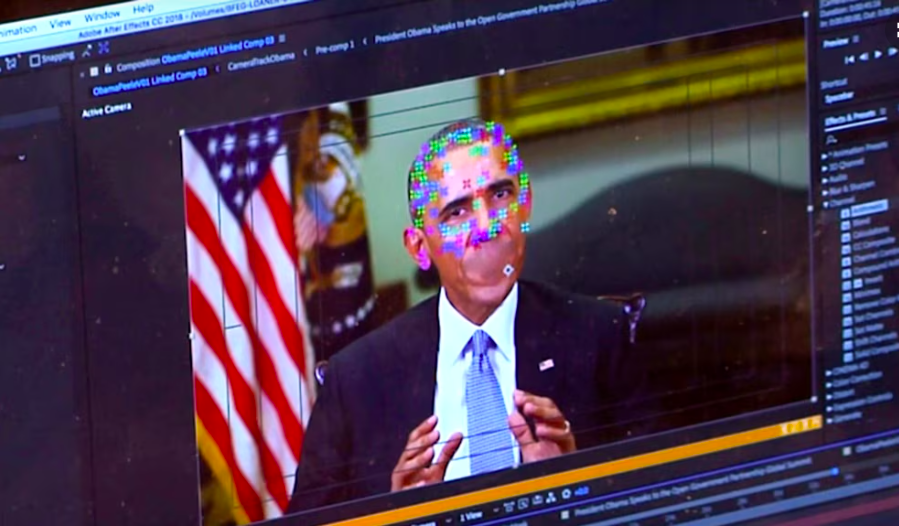
Deepfake technology uses AI to mimic a person’s appearance and voice, often with uncanny realism. In one such video, a Ukrainian teenage refugee, originally featured in a legitimate news report about her experience studying at a U.S. private school, becomes the unwitting star of a falsified narrative.
The altered video shifts from genuine footage of the teenager to manipulated segments, featuring her alleged voice-over calling American public schools dangerous and invoking offensive stereotypes. The fabricated statements, such as, "Let Americans pay for my safety," bear no resemblance to the original content.
This video is part of a larger disinformation campaign, reportedly orchestrated by the Russian operation known as "Matryoshka." The campaign uses deepfakes to depict Ukrainian refugees as entitled and ungrateful, while also spreading falsehoods about Ukraine’s role in disinformation.
Exploiting Vulnerable Communities
Deepfake technology has enabled Matryoshka to develop a new strategy: subtly manipulating legitimate footage to distort reality. Another video targeted a Ukrainian refugee in Denmark, falsely portraying her as ungrateful for the support received. These deepfakes are designed not only to sow distrust between host communities and refugees but also to create divisions among Ukrainians themselves.
“This is part of a broader strategy,” says Roman Osadchuk, a fellow at the Atlantic Council’s Digital Forensic Research Lab. By targeting refugees, the Kremlin aims to erode sympathy and support for Ukraine in the West while fostering resentment within Ukraine.
Deepfake Journalism: Undermining Credibility
Beyond targeting refugees, Matryoshka’s efforts have extended to creating deepfakes of prominent journalists. These videos impersonate well-known figures like Bellingcat founder Eliot Higgins and BBC Verify journalist Shayan Sardarizadeh, presenting them as accusing Ukraine of spreading falsehoods.
Such deepfakes aim to undermine the credibility of reputable journalists and mislead the public. Higgins described the deepfake impersonation as a ploy to boost the reach of disinformation, calling it an attempt to “milk the Russian state for money.”
The Emotional Toll of Manipulated Media
The harm caused by deepfakes extends far beyond political implications. For the individuals targeted, particularly refugees who are already vulnerable, the psychological impact can be devastating.
“Victims often experience feelings of violation and helplessness,” explains Belle Torek, an attorney specializing in tech policy. For refugee communities enduring displacement and violence, the trauma of seeing their likeness manipulated for hateful purposes compounds existing suffering.
The Reach and Effectiveness of Deepfakes
While deepfakes’ potential harm is undeniable, their actual impact on public opinion remains complex to measure. A single social media post featuring deepfake content has garnered over 55,000 views—a reach significant enough to amplify disinformation. However, experts like Olga Tokariuk of the Institute for Strategic Dialogue caution that this content, while not viral, is no longer confined to the margins.
Much of this spread may be artificially boosted by bots rather than genuine engagement, but the mere presence of such content online highlights the growing threat posed by deepfakes.
Countering the Threat
The rise of AI-driven disinformation underscores the urgency of developing countermeasures. Governments, tech companies, and civil society must collaborate to detect and debunk deepfakes swiftly. Public awareness campaigns are essential to educate people about the existence and dangers of deepfakes, equipping them to identify and reject manipulated content.
Conclusion
The use of AI to create provocative deepfakes targeting Ukrainian refugees marks a dangerous escalation in disinformation campaigns. As these technologies become more accessible, the risks to individuals and societies grow. Vigilance, transparency, and international cooperation will be critical in mitigating the harm of deepfakes and safeguarding truth in the digital era.
AI-Generated Deepfakes: A New Front in Disinformation Targeting Ukrainian Refugees
The digital age has brought forth immense potential but also troubling challenges, among them the misuse of artificial intelligence (AI) to create deepfake videos. Recent investigations by Russian and Ukrainian intelligence services have unveiled a disturbing trend: AI-generated deepfakes aimed at discrediting Ukrainian refugees and manipulating public opinion.
A New Weapon in Disinformation Campaigns
Deepfake technology uses AI to mimic a person’s appearance and voice, often with uncanny realism. In one such video, a Ukrainian teenage refugee, originally featured in a legitimate news report about her experience studying at a U.S. private school, becomes the unwitting star of a falsified narrative.
The altered video shifts from genuine footage of the teenager to manipulated segments, featuring her alleged voice-over calling American public schools dangerous and invoking offensive stereotypes. The fabricated statements, such as, "Let Americans pay for my safety," bear no resemblance to the original content.
Register for Tekedia Mini-MBA edition 20 (June 8 – Sept 5, 2026).
Register for Tekedia AI in Business Masterclass.
Join Tekedia Capital Syndicate and co-invest in great global startups.
Register for Tekedia AI Lab.
This video is part of a larger disinformation campaign, reportedly orchestrated by the Russian operation known as "Matryoshka." The campaign uses deepfakes to depict Ukrainian refugees as entitled and ungrateful, while also spreading falsehoods about Ukraine’s role in disinformation.
Exploiting Vulnerable Communities
Deepfake technology has enabled Matryoshka to develop a new strategy: subtly manipulating legitimate footage to distort reality. Another video targeted a Ukrainian refugee in Denmark, falsely portraying her as ungrateful for the support received. These deepfakes are designed not only to sow distrust between host communities and refugees but also to create divisions among Ukrainians themselves.
“This is part of a broader strategy,” says Roman Osadchuk, a fellow at the Atlantic Council’s Digital Forensic Research Lab. By targeting refugees, the Kremlin aims to erode sympathy and support for Ukraine in the West while fostering resentment within Ukraine.

Deepfake Journalism: Undermining Credibility
Beyond targeting refugees, Matryoshka’s efforts have extended to creating deepfakes of prominent journalists. These videos impersonate well-known figures like Bellingcat founder Eliot Higgins and BBC Verify journalist Shayan Sardarizadeh, presenting them as accusing Ukraine of spreading falsehoods.
Such deepfakes aim to undermine the credibility of reputable journalists and mislead the public. Higgins described the deepfake impersonation as a ploy to boost the reach of disinformation, calling it an attempt to “milk the Russian state for money.”
The Emotional Toll of Manipulated Media
The harm caused by deepfakes extends far beyond political implications. For the individuals targeted, particularly refugees who are already vulnerable, the psychological impact can be devastating.

“Victims often experience feelings of violation and helplessness,” explains Belle Torek, an attorney specializing in tech policy. For refugee communities enduring displacement and violence, the trauma of seeing their likeness manipulated for hateful purposes compounds existing suffering.
The Reach and Effectiveness of Deepfakes
While deepfakes’ potential harm is undeniable, their actual impact on public opinion remains complex to measure. A single social media post featuring deepfake content has garnered over 55,000 views—a reach significant enough to amplify disinformation. However, experts like Olga Tokariuk of the Institute for Strategic Dialogue caution that this content, while not viral, is no longer confined to the margins.
Much of this spread may be artificially boosted by bots rather than genuine engagement, but the mere presence of such content online highlights the growing threat posed by deepfakes.
Countering the Threat
The rise of AI-driven disinformation underscores the urgency of developing countermeasures. Governments, tech companies, and civil society must collaborate to detect and debunk deepfakes swiftly. Public awareness campaigns are essential to educate people about the existence and dangers of deepfakes, equipping them to identify and reject manipulated content.
Conclusion
The use of AI to create provocative deepfakes targeting Ukrainian refugees marks a dangerous escalation in disinformation campaigns. As these technologies become more accessible, the risks to individuals and societies grow. Vigilance, transparency, and international cooperation will be critical in mitigating the harm of deepfakes and safeguarding truth in the digital era.
Uploaded files:Share this:
- Click to share on Facebook (Opens in new window) Facebook
- Click to share on X (Opens in new window) X
- Click to share on WhatsApp (Opens in new window) WhatsApp
- Click to share on LinkedIn (Opens in new window) LinkedIn
- Click to email a link to a friend (Opens in new window) Email
- Click to print (Opens in new window) Print