

Roots Tourism Boom: Why Americans Are Rediscovering Their Italian Ancestry

Quote from Alex Bobby on December 15, 2025, 4:56 AMMore Americans are tracing their Italian roots through DNA testing, genealogy experts and roots tourism, reconnecting with ancestral villages and family history.
From Ellis Island to Ancestral Villages: Why Americans Are Tracing Their Italian Roots
When Jim Fiorini thinks about his father’s journey, it is tinged with both pride and regret. One of more than two million Italians who emigrated to the United States in the early 1900s, Fiorini’s father crossed the Atlantic chasing the promise of the American Dream. Like many Italian newcomers, he built a life through hard work, establishing a successful construction business that employed other Italians arriving on work visas. But the Great Depression shattered that stability, leaving scars that lingered long after the economic crisis passed.
“My father was emotional about his childhood and how things changed for the worse for him by moving to the US,” Fiorini recalls. Now living in Pennsylvania, he has begun investigating his Italian ancestry, hoping to bring what he calls his father’s “forced emigration full circle” by discovering the place in Italy that his family once called home.
Fiorini’s story is far from unusual. Across the United States, Americans are increasingly digging into their family histories, turning to genealogy experts, DNA testing and specialist agencies to trace ancestral links in Europe. Italy, in particular, has emerged as a focal point for this growing movement—often described as “roots tourism.”
The rise of roots tourism
Roots tourism goes beyond traditional sightseeing. Rather than ticking landmarks off a list, travellers are seeking emotional connections to the past: ancestral villages, parish churches, town halls and cemeteries where family names are etched into stone records and fading documents.
“In recent years, Italy has become a central destination for roots tourism, a growing trend where travellers journey not just to see the sights, but to reconnect with their heritage,” says Jennifer Sontag, CEO and founder of ViaMonde, a relocation agency that helps Americans trace their Italian roots. “We see so many people, young and old, who want to know more about where they came from.”
For many second-, third- and even fourth-generation Italian-Americans, this curiosity is driven by a sense of incompleteness. Family stories may have been passed down in fragments—mentions of a village name, a surname altered at Ellis Island, or a memory of “the old country” that was never fully explained. Over time, details blurred, records were misplaced, and connections faded.
Technology breathing life into old stories
Until recently, tracing Italian ancestry could feel like a wild goose chase. Records were often vague or inaccessible, names changed during migration, and some documents were lost entirely during wars or natural disasters. But advances in technology have transformed the process.
Online archives, digitised parish records and civil registries now allow genealogists to search remotely, while DNA testing services can provide clues about regional origins. When combined with on-the-ground expertise—local historians, archivists and translators—these tools are unlocking family histories that once seemed impossible to trace.
Specialist ancestry-tracing agencies are also playing a growing role, guiding Americans through Italy’s complex bureaucracy and regional record systems. For many, the journey becomes as much about understanding historical context as it is about names and dates.
Why Italy holds such powerful appeal
Italy’s prominence in roots tourism is rooted in history. Between the late 19th and early 20th centuries, economic hardship was widespread, particularly in southern regions and on the island of Sicily. Poverty, land shortages and political instability pushed millions to seek opportunities abroad.
“Multiple inhabitants of the same community tended to emigrate to the same place,” Sontag explains. “The typical emigration pattern involved young men going abroad first, finding work, and then encouraging more men from their village to join them. Once established, they would send for wives and girlfriends.”
This chain migration created tightly knit Italian-American communities in cities like New York, Philadelphia, Chicago and Boston—communities that still retain strong cultural identities today. But while traditions, food and surnames survived, the precise links to specific towns and villages were often lost over generations.
Now, as descendants look back, Italy offers not just a destination but a sense of belonging. Small villages that once watched their young people leave are welcoming descendants eager to walk the same streets, attend local festivals and hear family names spoken with familiar accents.
More than a holiday
For many Americans, tracing Italian ancestry is an emotional experience. Standing in an ancestral village can reframe family narratives of sacrifice, loss and resilience. It can also reshape personal identity, offering a deeper understanding of where one fits in a long historical arc.
Some travellers take the journey further, exploring dual citizenship, property purchases or extended stays. Others simply want closure—a way to honour parents and grandparents who left under difficult circumstances.
For Jim Fiorini, the search is about reconciliation. By uncovering his father’s origins, he hopes to reconnect with a past that was shaped by hardship and difficult choices. “It feels like completing a circle,” he says.
As genealogy tools become more sophisticated and interest in heritage-driven travel continues to grow, Italy’s villages are likely to see more visitors arriving not as tourists, but as returning family. In retracing old footsteps, these travellers are discovering that the past is not just something to study—it is something to experience, one ancestral story at a time.
More Americans are tracing their Italian roots through DNA testing, genealogy experts and roots tourism, reconnecting with ancestral villages and family history.
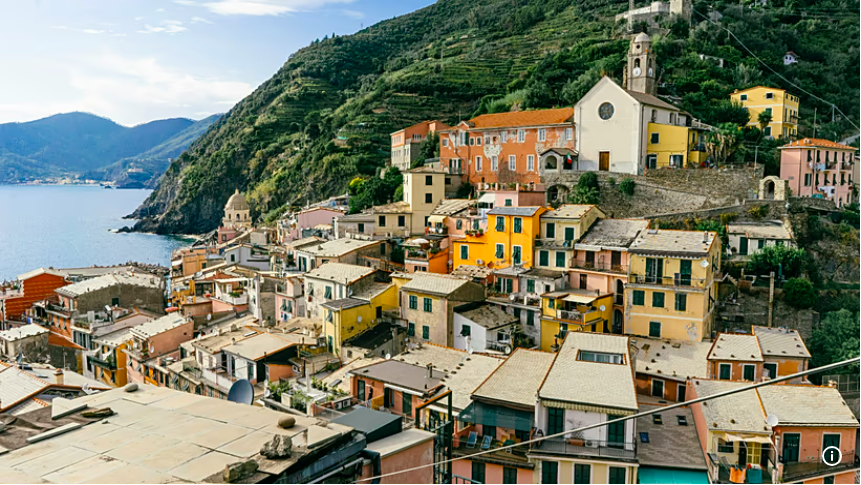
From Ellis Island to Ancestral Villages: Why Americans Are Tracing Their Italian Roots
When Jim Fiorini thinks about his father’s journey, it is tinged with both pride and regret. One of more than two million Italians who emigrated to the United States in the early 1900s, Fiorini’s father crossed the Atlantic chasing the promise of the American Dream. Like many Italian newcomers, he built a life through hard work, establishing a successful construction business that employed other Italians arriving on work visas. But the Great Depression shattered that stability, leaving scars that lingered long after the economic crisis passed.
“My father was emotional about his childhood and how things changed for the worse for him by moving to the US,” Fiorini recalls. Now living in Pennsylvania, he has begun investigating his Italian ancestry, hoping to bring what he calls his father’s “forced emigration full circle” by discovering the place in Italy that his family once called home.
Register for Tekedia Mini-MBA edition 20 (June 8 – Sept 5, 2026).
Register for Tekedia AI in Business Masterclass.
Join Tekedia Capital Syndicate and co-invest in great global startups.
Register for Tekedia AI Lab.
Fiorini’s story is far from unusual. Across the United States, Americans are increasingly digging into their family histories, turning to genealogy experts, DNA testing and specialist agencies to trace ancestral links in Europe. Italy, in particular, has emerged as a focal point for this growing movement—often described as “roots tourism.”
The rise of roots tourism
Roots tourism goes beyond traditional sightseeing. Rather than ticking landmarks off a list, travellers are seeking emotional connections to the past: ancestral villages, parish churches, town halls and cemeteries where family names are etched into stone records and fading documents.
“In recent years, Italy has become a central destination for roots tourism, a growing trend where travellers journey not just to see the sights, but to reconnect with their heritage,” says Jennifer Sontag, CEO and founder of ViaMonde, a relocation agency that helps Americans trace their Italian roots. “We see so many people, young and old, who want to know more about where they came from.”

For many second-, third- and even fourth-generation Italian-Americans, this curiosity is driven by a sense of incompleteness. Family stories may have been passed down in fragments—mentions of a village name, a surname altered at Ellis Island, or a memory of “the old country” that was never fully explained. Over time, details blurred, records were misplaced, and connections faded.
Technology breathing life into old stories
Until recently, tracing Italian ancestry could feel like a wild goose chase. Records were often vague or inaccessible, names changed during migration, and some documents were lost entirely during wars or natural disasters. But advances in technology have transformed the process.
Online archives, digitised parish records and civil registries now allow genealogists to search remotely, while DNA testing services can provide clues about regional origins. When combined with on-the-ground expertise—local historians, archivists and translators—these tools are unlocking family histories that once seemed impossible to trace.

Specialist ancestry-tracing agencies are also playing a growing role, guiding Americans through Italy’s complex bureaucracy and regional record systems. For many, the journey becomes as much about understanding historical context as it is about names and dates.
Why Italy holds such powerful appeal
Italy’s prominence in roots tourism is rooted in history. Between the late 19th and early 20th centuries, economic hardship was widespread, particularly in southern regions and on the island of Sicily. Poverty, land shortages and political instability pushed millions to seek opportunities abroad.
“Multiple inhabitants of the same community tended to emigrate to the same place,” Sontag explains. “The typical emigration pattern involved young men going abroad first, finding work, and then encouraging more men from their village to join them. Once established, they would send for wives and girlfriends.”
This chain migration created tightly knit Italian-American communities in cities like New York, Philadelphia, Chicago and Boston—communities that still retain strong cultural identities today. But while traditions, food and surnames survived, the precise links to specific towns and villages were often lost over generations.
Now, as descendants look back, Italy offers not just a destination but a sense of belonging. Small villages that once watched their young people leave are welcoming descendants eager to walk the same streets, attend local festivals and hear family names spoken with familiar accents.
More than a holiday
For many Americans, tracing Italian ancestry is an emotional experience. Standing in an ancestral village can reframe family narratives of sacrifice, loss and resilience. It can also reshape personal identity, offering a deeper understanding of where one fits in a long historical arc.
Some travellers take the journey further, exploring dual citizenship, property purchases or extended stays. Others simply want closure—a way to honour parents and grandparents who left under difficult circumstances.
For Jim Fiorini, the search is about reconciliation. By uncovering his father’s origins, he hopes to reconnect with a past that was shaped by hardship and difficult choices. “It feels like completing a circle,” he says.
As genealogy tools become more sophisticated and interest in heritage-driven travel continues to grow, Italy’s villages are likely to see more visitors arriving not as tourists, but as returning family. In retracing old footsteps, these travellers are discovering that the past is not just something to study—it is something to experience, one ancestral story at a time.
Uploaded files:Share this:
- Click to share on Facebook (Opens in new window) Facebook
- Click to share on X (Opens in new window) X
- Click to share on WhatsApp (Opens in new window) WhatsApp
- Click to share on LinkedIn (Opens in new window) LinkedIn
- Click to email a link to a friend (Opens in new window) Email
- Click to print (Opens in new window) Print