

Sudan Landslide Kills Hundreds in Marra Mountains, UN Confirms

Quote from Alex Bobby on September 2, 2025, 7:22 AM
Hundreds Killed in Sudan Landslide as UN Warns of Humanitarian Crisis
The Marra Mountains in western Sudan have become the site of yet another tragedy, as a massive landslide killed at least 370 people, according to the United Nations. Local groups fear the toll could be far higher, with some claiming up to 1,000 lives were lost when heavy rains triggered the deadly collapse on Sunday.
For a country already battered by war, famine, and displacement, the disaster represents a devastating new blow to a population that has little left to endure.
A Remote Village Wiped Out
The landslide struck the village of Tarasin, located deep in the rugged Marra Mountains of Darfur. After days of relentless rain, the mountain slopes gave way, engulfing homes and flattening much of the village in seconds.
According to the Sudan Liberation Movement/Army (SLM/A), the armed group that controls the area, the destruction was near total. They reported that only one person survived, describing the village as having been “leveled.”
Satellite images and early photographs from the scene show massive gullies cut into the mountainside, converging where the village once stood. Rescue efforts have been limited, with the scale of destruction leaving little hope of finding more survivors.
Conflicting Death Tolls
The UN’s deputy humanitarian coordinator for Sudan, Antoine Gérard, told the BBC that at least 370 people had been confirmed dead, though the true figure remains uncertain. He cautioned that the remoteness of the region made reliable assessment difficult.
The SLM/A, however, insists the toll is much higher, claiming that 1,000 lives were lost. Without independent access to the site, the discrepancy highlights the challenge of understanding the full scope of the disaster.
Aid Blocked by Terrain and Conflict
Even as the bodies are being recovered, the question of humanitarian relief looms large. Delivering aid to Tarasin and surrounding areas is a logistical nightmare.
“We do not have helicopters, everything goes in vehicles on very bumpy roads,” Gérard explained. “It takes time and it is the rainy season—sometimes we have to wait hours, maybe a day or two to cross a valley. Bringing in trucks with commodities will be a challenge.”
The Marra Mountains, known for their difficult terrain, are even harder to access during the rainy season. And with much of Darfur already devastated by civil war, resources are stretched to breaking point.
Darfur’s army-aligned governor, Minni Minnawi, called the disaster a “humanitarian tragedy” and pleaded with international aid agencies to intervene urgently. “The tragedy is greater than what our people can bear alone,” he said.
A Country Already in Crisis
The landslide comes at a time when Sudan is already reeling from one of the world’s worst humanitarian crises. Since April 2023, a brutal civil war between the Sudanese army and the paramilitary Rapid Support Forces (RSF) has plunged the country into chaos.
The conflict has displaced more than 12 million people, creating one of the largest refugee crises globally. Food shortages have tipped much of the country into famine conditions, while reports of atrocities in Darfur have sparked accusations of genocide.
Estimates of the war’s death toll vary, but a U.S. official last year suggested as many as 150,000 people may have been killed since the fighting began. Against this backdrop of devastation, the landslide adds another layer of suffering to a region already on the brink.
Political and Ethnic Undercurrents
The Marra Mountains region is controlled by factions of the SLM/A, who have pledged to support the Sudanese army in its fight against the RSF. The RSF, widely accused of atrocities in Darfur, is seen by many locals as part of a campaign to transform the ethnically mixed region into an Arab-dominated stronghold.
This backdrop of war complicates the humanitarian response. International organisations may struggle to negotiate safe access to the disaster zone, especially as warring factions jockey for control of narratives and territory.
Human Cost Beyond the Numbers
For survivors and families of the victims, the landslide is not just another statistic in Sudan’s grim roll call of tragedies. Entire families have been buried beneath the rubble, their homes obliterated in an instant.
Many of those killed were already displaced by war, having sought refuge in the mountains from violence in North Darfur. To be uprooted by conflict only to be buried by nature’s wrath highlights the relentless vulnerability of civilians caught in Sudan’s overlapping crises.
Emily Blunt, one of many humanitarian voices urging attention to Sudan in recent months, recently described the situation in Darfur as “a crisis fading from global memory.” The Tarasin disaster risks becoming another footnote unless international focus is renewed.
A Call for Global Solidarity
The tragedy in the Marra Mountains underscores the urgent need for international solidarity. While the world’s attention has shifted to other global crises, Sudan’s people continue to endure a relentless combination of war, famine, and now natural disaster.
The United Nations has called for immediate aid, but the challenges of terrain, conflict, and logistics mean help will not arrive swiftly. Without rapid intervention, survivors may face starvation, disease, and further displacement.
Governor Minnawi’s plea is clear: Darfur cannot face this alone. The question is whether the world is prepared to listen—and act.
looking forward
Looking forward, the landslide in the Marra Mountains could become a rallying point for renewed international attention on Sudan’s humanitarian catastrophe. The tragedy highlights the urgent need for improved infrastructure, early warning systems, and access routes in disaster-prone regions—things that have long been neglected due to decades of conflict.
As aid organisations begin the difficult task of reaching survivors, the hope is that this disaster may push world leaders to prioritise Sudan once more. For the displaced and grieving communities of Tarasin, the future will depend not only on emergency relief but also on long-term commitments to rebuild and stabilise a nation that has endured far too much.
Final Thought
The devastation in Sudan’s Marra Mountains is more than just a natural disaster—it is a tragedy layered upon years of war, displacement, and suffering. For the people of Tarasin, survival now hinges on whether the world will look beyond the headlines and deliver meaningful, timely aid. In times like these, humanity’s measure is not in words of sympathy alone, but in swift, compassionate action. Sudan cannot endure this burden alone; global solidarity is needed now more than ever.
Conclusion
The landslide in Sudan’s Marra Mountains is more than a natural disaster; it is a stark reminder of how fragile life has become in a nation torn apart by war. With hundreds dead, possibly over a thousand, and aid struggling to reach survivors, the tragedy compounds an already desperate humanitarian crisis.
For the people of Tarasin, the mountain collapse was sudden and merciless. For Sudan, it is yet another wound in a body already bleeding from conflict and hunger. Unless the international community steps up urgently, this disaster may fade into silence—one more tragedy in a country that cannot bear another.
Meta Description:
A devastating landslide in Sudan’s Marra Mountains has killed at least 370 people, with aid efforts hampered by conflict and harsh terrain. The UN warns of major challenges in reaching survivors.SEO Headline:
Sudan Landslide Kills Hundreds in Marra Mountains, UN Confirms
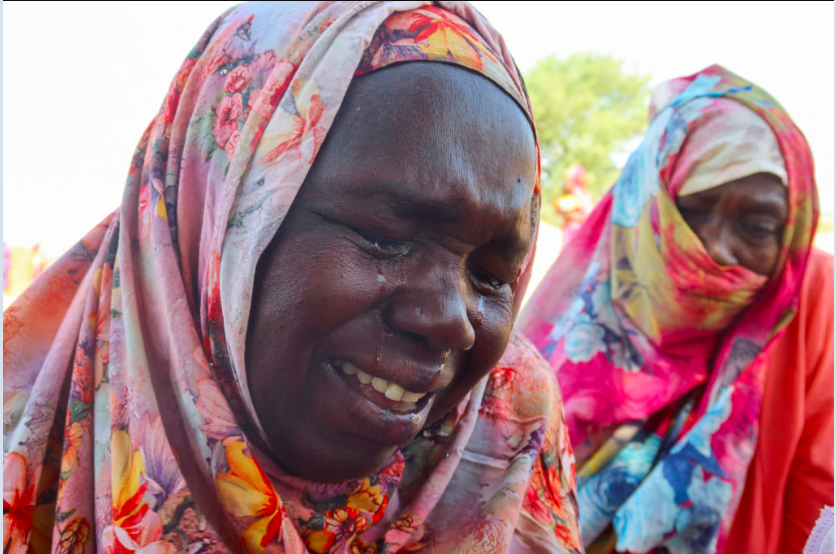
Hundreds Killed in Sudan Landslide as UN Warns of Humanitarian Crisis
The Marra Mountains in western Sudan have become the site of yet another tragedy, as a massive landslide killed at least 370 people, according to the United Nations. Local groups fear the toll could be far higher, with some claiming up to 1,000 lives were lost when heavy rains triggered the deadly collapse on Sunday.
For a country already battered by war, famine, and displacement, the disaster represents a devastating new blow to a population that has little left to endure.
Register for Tekedia Mini-MBA edition 20 (June 8 – Sept 5, 2026).
Register for Tekedia AI in Business Masterclass.
Join Tekedia Capital Syndicate and co-invest in great global startups.
Register for Tekedia AI Lab.
A Remote Village Wiped Out
The landslide struck the village of Tarasin, located deep in the rugged Marra Mountains of Darfur. After days of relentless rain, the mountain slopes gave way, engulfing homes and flattening much of the village in seconds.
According to the Sudan Liberation Movement/Army (SLM/A), the armed group that controls the area, the destruction was near total. They reported that only one person survived, describing the village as having been “leveled.”

Satellite images and early photographs from the scene show massive gullies cut into the mountainside, converging where the village once stood. Rescue efforts have been limited, with the scale of destruction leaving little hope of finding more survivors.
Conflicting Death Tolls
The UN’s deputy humanitarian coordinator for Sudan, Antoine Gérard, told the BBC that at least 370 people had been confirmed dead, though the true figure remains uncertain. He cautioned that the remoteness of the region made reliable assessment difficult.

The SLM/A, however, insists the toll is much higher, claiming that 1,000 lives were lost. Without independent access to the site, the discrepancy highlights the challenge of understanding the full scope of the disaster.
Aid Blocked by Terrain and Conflict
Even as the bodies are being recovered, the question of humanitarian relief looms large. Delivering aid to Tarasin and surrounding areas is a logistical nightmare.
“We do not have helicopters, everything goes in vehicles on very bumpy roads,” Gérard explained. “It takes time and it is the rainy season—sometimes we have to wait hours, maybe a day or two to cross a valley. Bringing in trucks with commodities will be a challenge.”
The Marra Mountains, known for their difficult terrain, are even harder to access during the rainy season. And with much of Darfur already devastated by civil war, resources are stretched to breaking point.
Darfur’s army-aligned governor, Minni Minnawi, called the disaster a “humanitarian tragedy” and pleaded with international aid agencies to intervene urgently. “The tragedy is greater than what our people can bear alone,” he said.
A Country Already in Crisis
The landslide comes at a time when Sudan is already reeling from one of the world’s worst humanitarian crises. Since April 2023, a brutal civil war between the Sudanese army and the paramilitary Rapid Support Forces (RSF) has plunged the country into chaos.
The conflict has displaced more than 12 million people, creating one of the largest refugee crises globally. Food shortages have tipped much of the country into famine conditions, while reports of atrocities in Darfur have sparked accusations of genocide.
Estimates of the war’s death toll vary, but a U.S. official last year suggested as many as 150,000 people may have been killed since the fighting began. Against this backdrop of devastation, the landslide adds another layer of suffering to a region already on the brink.
Political and Ethnic Undercurrents
The Marra Mountains region is controlled by factions of the SLM/A, who have pledged to support the Sudanese army in its fight against the RSF. The RSF, widely accused of atrocities in Darfur, is seen by many locals as part of a campaign to transform the ethnically mixed region into an Arab-dominated stronghold.
This backdrop of war complicates the humanitarian response. International organisations may struggle to negotiate safe access to the disaster zone, especially as warring factions jockey for control of narratives and territory.
Human Cost Beyond the Numbers
For survivors and families of the victims, the landslide is not just another statistic in Sudan’s grim roll call of tragedies. Entire families have been buried beneath the rubble, their homes obliterated in an instant.
Many of those killed were already displaced by war, having sought refuge in the mountains from violence in North Darfur. To be uprooted by conflict only to be buried by nature’s wrath highlights the relentless vulnerability of civilians caught in Sudan’s overlapping crises.
Emily Blunt, one of many humanitarian voices urging attention to Sudan in recent months, recently described the situation in Darfur as “a crisis fading from global memory.” The Tarasin disaster risks becoming another footnote unless international focus is renewed.
A Call for Global Solidarity
The tragedy in the Marra Mountains underscores the urgent need for international solidarity. While the world’s attention has shifted to other global crises, Sudan’s people continue to endure a relentless combination of war, famine, and now natural disaster.
The United Nations has called for immediate aid, but the challenges of terrain, conflict, and logistics mean help will not arrive swiftly. Without rapid intervention, survivors may face starvation, disease, and further displacement.
Governor Minnawi’s plea is clear: Darfur cannot face this alone. The question is whether the world is prepared to listen—and act.
looking forward
Looking forward, the landslide in the Marra Mountains could become a rallying point for renewed international attention on Sudan’s humanitarian catastrophe. The tragedy highlights the urgent need for improved infrastructure, early warning systems, and access routes in disaster-prone regions—things that have long been neglected due to decades of conflict.
As aid organisations begin the difficult task of reaching survivors, the hope is that this disaster may push world leaders to prioritise Sudan once more. For the displaced and grieving communities of Tarasin, the future will depend not only on emergency relief but also on long-term commitments to rebuild and stabilise a nation that has endured far too much.
Final Thought
The devastation in Sudan’s Marra Mountains is more than just a natural disaster—it is a tragedy layered upon years of war, displacement, and suffering. For the people of Tarasin, survival now hinges on whether the world will look beyond the headlines and deliver meaningful, timely aid. In times like these, humanity’s measure is not in words of sympathy alone, but in swift, compassionate action. Sudan cannot endure this burden alone; global solidarity is needed now more than ever.
Conclusion
The landslide in Sudan’s Marra Mountains is more than a natural disaster; it is a stark reminder of how fragile life has become in a nation torn apart by war. With hundreds dead, possibly over a thousand, and aid struggling to reach survivors, the tragedy compounds an already desperate humanitarian crisis.
For the people of Tarasin, the mountain collapse was sudden and merciless. For Sudan, it is yet another wound in a body already bleeding from conflict and hunger. Unless the international community steps up urgently, this disaster may fade into silence—one more tragedy in a country that cannot bear another.
Meta Description:
A devastating landslide in Sudan’s Marra Mountains has killed at least 370 people, with aid efforts hampered by conflict and harsh terrain. The UN warns of major challenges in reaching survivors.
SEO Headline:
Sudan Landslide Kills Hundreds in Marra Mountains, UN Confirms
Share this:
- Click to share on Facebook (Opens in new window) Facebook
- Click to share on X (Opens in new window) X
- Click to share on WhatsApp (Opens in new window) WhatsApp
- Click to share on LinkedIn (Opens in new window) LinkedIn
- Click to email a link to a friend (Opens in new window) Email
- Click to print (Opens in new window) Print