

The Forgotten Confederate Monument in Edinburgh: A Controversial Legacy

Quote from Alex Bobby on February 27, 2025, 5:40 AM
The Controversial Confederate Monument in Edinburgh's Dean Cemetery
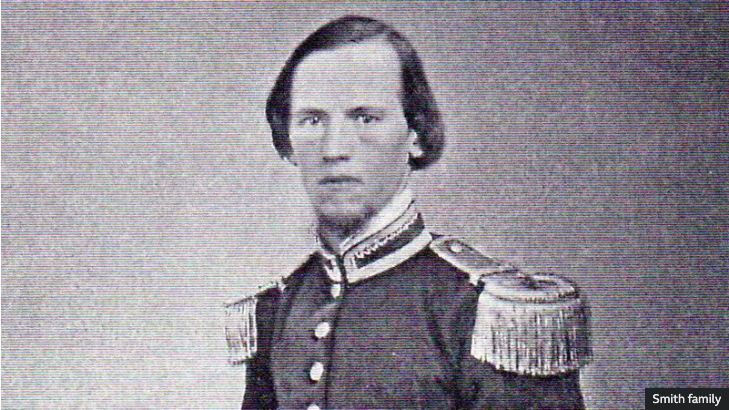
Deep within Dean Cemetery in Edinburgh stands a modest grey obelisk, approximately 2 meters (6 feet) high, its inscription weathered by time. This monument commemorates Colonel Robert A. Smith, a Scotsman who fought and perished in Kentucky during the American Civil War. As a Confederate soldier, Smith aligned himself with the Southern states, which sought to secede from the Union and uphold the institution of slavery. His story, and the monument that honours him, raise questions about how we remember historical figures tied to controversial causes.
The Smith Brothers and Their Confederate Ties
Robert A. Smith was one of nine children. At the age of 14, he left his home in Edinburgh and traveled to Mississippi to join his brother James. James Smith had settled in Jackson, Mississippi, in the 1830s and established a successful stove manufacturing business. He frequently traveled between the United States and Scotland, maintaining strong ties to his homeland.
Tragedy struck James in 1854 when his steamboat, The Arctic, collided with a French vessel off the coast of Newfoundland. He miraculously survived after spending three days adrift in a zinc-lined dish basket before being rescued by a Scottish captain. Despite this harrowing experience, James continued his business ventures and became a wealthy man.
By the outbreak of the Civil War, James had returned to Scotland. Unlike Robert, he did not take up arms, but his allegiance to the Confederacy remained strong. He provided financial support, arranged for weapons to be sent to the Southern states, and even flew the Confederate flag from his home in Glasgow. This very flag is now housed in Glasgow's Riverside Museum.
After Robert's death at the Battle of Munfordville in 1862, James used his wealth to erect multiple memorials in his brother’s honor. In addition to the Edinburgh obelisk, he financed monuments in Jackson, Mississippi, and on the battlefield where Robert fell. The latter stands at 6 meters (20 feet) high and weighs 30 tonnes.
Scotland’s Economic and Political Ties to the Confederacy
James Smith was not alone in his support for the Confederacy. In the 19th century, many Scots sympathized with the Southern cause, often for economic reasons. The Union naval blockade of Confederate ports created lucrative opportunities for merchants willing to smuggle supplies to the South. Scottish shipbuilders even constructed specialized vessels for this purpose.
John Messner, a curator at the Riverside Museum in Glasgow, notes that economic incentives often outweighed moral considerations. "There was a huge economic opportunity for people selling items to the Confederacy," he explains. "It's a horrible thing to say, but it was an opportunity to make quite a bit of financial benefit."
While some Scots may have supported the Confederacy out of ideological alignment, many saw it as a business venture, capitalizing on the war-driven demand for goods. Scottish mills, for example, relied on Southern cotton, further intertwining Scotland’s economy with the fate of the Confederacy.
The Legacy and Debate Surrounding the Monument
Unlike the grand Abraham Lincoln statue in Old Calton Burial Ground, the Dean Cemetery obelisk remains relatively obscure. However, it has not escaped controversy. Some visitors have vandalized the monument, while others have left Confederate memorabilia at the site. Though debate over the memorial has been less intense than in the United States, it still sparks discussions about how we commemorate historical figures linked to divisive causes.
Lydia Melton, a descendant of the Smith brothers, acknowledges the complexity of their legacy. As their fourth great-niece, she still resides in the American South and recognizes the controversial nature of Confederate monuments. While she condemns statues erected in the 20th century to reinforce racial divides, she defends the Edinburgh obelisk as a "private monument to grief," rather than a political statement.
Melton believes that James Smith commissioned the memorial so that the family members who remained in Scotland could remember their "beloved little brother." However, she concedes that honoring relatives who supported a cause that fought to maintain slavery is a difficult subject. She does not believe the Smith brothers were personally slaveholders but suggests their support for the Confederacy may have stemmed from loyalty to their community rather than a commitment to slavery.
A Global Debate on Confederate Monuments
The debate over Confederate memorials is not confined to the United States. Across the Atlantic, the Edinburgh monument serves as a reminder of Scotland’s historical entanglement with the Civil War and the broader implications of remembering those who fought for the Confederacy.
In recent years, the US has grappled with the legacy of Confederate statues, many of which were erected in the early 20th century as symbols of white supremacy. Some have been removed, while others have been relocated to museums where they can be viewed with historical context.
The Edinburgh obelisk, though less prominent, raises similar questions: Should monuments to Confederate soldiers remain standing? Are they tributes to individuals or endorsements of the cause they fought for? Can they exist without perpetuating the ideologies of the Confederacy?
Conclusion
The monument to Robert A. Smith in Dean Cemetery is more than just a weathered obelisk; it is a touchstone in the ongoing debate about how we remember the past. It reflects Scotland’s historical connections to the Confederacy and the financial and ideological motivations that shaped those ties.
As society continues to reassess its historical narratives, the Edinburgh monument stands as a reminder that history is not confined by national borders. How we choose to engage with these memorials—whether preserving, contextualizing, or removing them—will shape our collective understanding of the past and its impact on the present.
The Controversial Confederate Monument in Edinburgh's Dean Cemetery
Deep within Dean Cemetery in Edinburgh stands a modest grey obelisk, approximately 2 meters (6 feet) high, its inscription weathered by time. This monument commemorates Colonel Robert A. Smith, a Scotsman who fought and perished in Kentucky during the American Civil War. As a Confederate soldier, Smith aligned himself with the Southern states, which sought to secede from the Union and uphold the institution of slavery. His story, and the monument that honours him, raise questions about how we remember historical figures tied to controversial causes.
The Smith Brothers and Their Confederate Ties
Register for Tekedia Mini-MBA edition 20 (June 8 – Sept 5, 2026).
Register for Tekedia AI in Business Masterclass.
Join Tekedia Capital Syndicate and co-invest in great global startups.
Register for Tekedia AI Lab.
Robert A. Smith was one of nine children. At the age of 14, he left his home in Edinburgh and traveled to Mississippi to join his brother James. James Smith had settled in Jackson, Mississippi, in the 1830s and established a successful stove manufacturing business. He frequently traveled between the United States and Scotland, maintaining strong ties to his homeland.
Tragedy struck James in 1854 when his steamboat, The Arctic, collided with a French vessel off the coast of Newfoundland. He miraculously survived after spending three days adrift in a zinc-lined dish basket before being rescued by a Scottish captain. Despite this harrowing experience, James continued his business ventures and became a wealthy man.
By the outbreak of the Civil War, James had returned to Scotland. Unlike Robert, he did not take up arms, but his allegiance to the Confederacy remained strong. He provided financial support, arranged for weapons to be sent to the Southern states, and even flew the Confederate flag from his home in Glasgow. This very flag is now housed in Glasgow's Riverside Museum.

After Robert's death at the Battle of Munfordville in 1862, James used his wealth to erect multiple memorials in his brother’s honor. In addition to the Edinburgh obelisk, he financed monuments in Jackson, Mississippi, and on the battlefield where Robert fell. The latter stands at 6 meters (20 feet) high and weighs 30 tonnes.
Scotland’s Economic and Political Ties to the Confederacy
James Smith was not alone in his support for the Confederacy. In the 19th century, many Scots sympathized with the Southern cause, often for economic reasons. The Union naval blockade of Confederate ports created lucrative opportunities for merchants willing to smuggle supplies to the South. Scottish shipbuilders even constructed specialized vessels for this purpose.

John Messner, a curator at the Riverside Museum in Glasgow, notes that economic incentives often outweighed moral considerations. "There was a huge economic opportunity for people selling items to the Confederacy," he explains. "It's a horrible thing to say, but it was an opportunity to make quite a bit of financial benefit."
While some Scots may have supported the Confederacy out of ideological alignment, many saw it as a business venture, capitalizing on the war-driven demand for goods. Scottish mills, for example, relied on Southern cotton, further intertwining Scotland’s economy with the fate of the Confederacy.
The Legacy and Debate Surrounding the Monument
Unlike the grand Abraham Lincoln statue in Old Calton Burial Ground, the Dean Cemetery obelisk remains relatively obscure. However, it has not escaped controversy. Some visitors have vandalized the monument, while others have left Confederate memorabilia at the site. Though debate over the memorial has been less intense than in the United States, it still sparks discussions about how we commemorate historical figures linked to divisive causes.
Lydia Melton, a descendant of the Smith brothers, acknowledges the complexity of their legacy. As their fourth great-niece, she still resides in the American South and recognizes the controversial nature of Confederate monuments. While she condemns statues erected in the 20th century to reinforce racial divides, she defends the Edinburgh obelisk as a "private monument to grief," rather than a political statement.
Melton believes that James Smith commissioned the memorial so that the family members who remained in Scotland could remember their "beloved little brother." However, she concedes that honoring relatives who supported a cause that fought to maintain slavery is a difficult subject. She does not believe the Smith brothers were personally slaveholders but suggests their support for the Confederacy may have stemmed from loyalty to their community rather than a commitment to slavery.
A Global Debate on Confederate Monuments
The debate over Confederate memorials is not confined to the United States. Across the Atlantic, the Edinburgh monument serves as a reminder of Scotland’s historical entanglement with the Civil War and the broader implications of remembering those who fought for the Confederacy.
In recent years, the US has grappled with the legacy of Confederate statues, many of which were erected in the early 20th century as symbols of white supremacy. Some have been removed, while others have been relocated to museums where they can be viewed with historical context.
The Edinburgh obelisk, though less prominent, raises similar questions: Should monuments to Confederate soldiers remain standing? Are they tributes to individuals or endorsements of the cause they fought for? Can they exist without perpetuating the ideologies of the Confederacy?
Conclusion
The monument to Robert A. Smith in Dean Cemetery is more than just a weathered obelisk; it is a touchstone in the ongoing debate about how we remember the past. It reflects Scotland’s historical connections to the Confederacy and the financial and ideological motivations that shaped those ties.
As society continues to reassess its historical narratives, the Edinburgh monument stands as a reminder that history is not confined by national borders. How we choose to engage with these memorials—whether preserving, contextualizing, or removing them—will shape our collective understanding of the past and its impact on the present.
Uploaded files:Share this:
- Click to share on Facebook (Opens in new window) Facebook
- Click to share on X (Opens in new window) X
- Click to share on WhatsApp (Opens in new window) WhatsApp
- Click to share on LinkedIn (Opens in new window) LinkedIn
- Click to email a link to a friend (Opens in new window) Email
- Click to print (Opens in new window) Print