

Ukraine and US Strike Major Minerals Deal Amid Growing Tensions

Quote from Alex Bobby on February 26, 2025, 6:27 AM
Ukraine and US Strike Major Minerals Deal Amid Growing Tensions
In a significant development, Ukraine has agreed to the terms of a major minerals deal with the United States, according to a senior official in Kyiv. The agreement, described as a "positive outcome" by the official, marks a crucial step in Ukraine’s efforts to leverage its vast mineral resources to secure economic stability and future security.
The Terms of the Deal
The deal follows intense negotiations, during which Washington initially demanded a right to $500 billion in potential revenue from Ukraine’s natural resources. However, media reports suggest that this demand has been dropped. Instead, the agreement will establish a jointly owned fund aimed at rebuilding Ukraine’s infrastructure and economy. Under the terms, Ukraine will contribute 50% of future proceeds from its state-owned mineral resources, oil, and gas to the fund, which will then reinvest in various Ukrainian projects.
Despite these financial arrangements, one key Ukrainian demand—firm security guarantees from the US—appears to have been left out of the final agreement. This omission raises concerns in Kyiv about the long-term implications of the deal, especially amid shifting geopolitical dynamics.
Trump’s Position and Strategic Shift in US Foreign Policy
US President Donald Trump confirmed that Ukrainian President Volodymyr Zelensky is expected to visit Washington soon to sign the agreement. Trump emphasised that Ukraine would now have "the right to fight on" but reiterated that without US financial and military support, the war would have ended much sooner.
When asked whether the US would continue supplying military aid and ammunition to Ukraine, Trump responded, "Maybe until we have a deal with Russia... We need to have a deal, otherwise it's going to continue." He also hinted at the necessity of "some form of peacekeeping" in Ukraine following a potential ceasefire, but stressed that such an arrangement must be "acceptable to everyone."
Trump’s framing of the deal suggests a broader shift in US foreign policy, where American aid is increasingly tied to direct financial benefits. He stated that the US has provided Ukraine with between $300 billion and $350 billion in aid and that this deal ensures "the American taxpayer is going to get their money back plus." This marks a stark departure from previous US foreign policy approaches, including the Marshall Plan and post-Cold War democracy promotion strategies.
Ukraine’s Mineral Wealth and Strategic Importance
Ukraine is home to a vast wealth of critical minerals, including:
- Graphite: 19 million tonnes of proven reserves, essential for electric vehicle batteries.
- Lithium: Holding one-third of all European deposits, a key component in modern battery technology.
- Titanium: Before the war, Ukraine produced 7% of the world’s titanium, a material vital for aerospace and infrastructure projects.
- Rare Earth Metals: Used in high-tech industries, including weapons manufacturing, electronics, and renewable energy.
These resources make Ukraine a highly strategic player in global supply chains, particularly in the context of the ongoing transition to green energy and advanced manufacturing.
Geopolitical Implications and Russian Countermoves
Ukraine’s decision to grant the US access to its mineral wealth is being viewed within the context of broader geopolitical manoeuvring. In a move likely aimed at countering this agreement, Russian President Vladimir Putin recently stated that Moscow is willing to offer the US access to rare minerals, including from Russian-occupied regions of Ukraine. Putin further claimed that Russia possesses "significantly more resources of this kind than Ukraine."
These developments coincide with warming relations between Washington and Moscow, evidenced by their recent bilateral talks in Saudi Arabia. The prospect of US-Russia negotiations over Ukraine’s future—without Kyiv’s direct involvement—has raised alarm among Ukrainian and European officials. Many fear that Ukraine and the broader European security landscape could be significantly affected by US-Russian diplomacy conducted behind closed doors.
Why does the US want them?
Critical minerals "are the foundation of the 21st Century economy", Dr Muggah explained. They are key to renewable energy, military applications and industrial infrastructure and play "a growing strategic role in geopolitics and geoeconomics", he said.
Additionally, the US is keen on a deal for Ukraine's mineral resources because it wants to reduce dependency on China, which controls 75% of rare earth deposits in the world, according to the Geological Investment Group.
In December China banned the export of some rare earth minerals to the US, having previously limited mineral exports to the US the previous year.
On Monday, ahead of a visit with French President Emmanuel Macron, White House National Security Advisor Mike Waltz told US news outlet NewsNation that the deal was "about growing the pie economically and binding the US and Ukraine together for the future".
Ukraine’s Calculated Gamble
For Zelensky and his government, the agreement with the US represents both an economic opportunity and a calculated risk. By tying US financial interests to Ukraine’s mineral wealth, Kyiv hopes to secure a level of American investment that could translate into long-term protection against Russian aggression. However, without formal security guarantees, there is no certainty that the US will continue to support Ukraine militarily in the event of future escalations.
Moreover, Zelensky has faced criticism for engaging in what some see as a resource sell-off. Last year, he presented a "victory plan" to Western allies that included offering access to Ukraine’s mineral wealth in exchange for sustained support. While the newly agreed terms appear more favourable to Ukraine than initial US proposals, concerns remain over the long-term economic and political consequences of the deal.
The Future of US-Ukraine Relations
The Ukraine-US minerals deal is part of a larger realignment in international relations. Trump’s "America First" approach signals a new era where foreign aid is increasingly transactional. The deal also underscores Washington’s shifting priorities, where economic interests take precedence over ideological commitments to democracy and security.
For Ukraine, this deal is a high-stakes gamble aimed at securing economic recovery and leveraging Western investment. However, as the geopolitical landscape continues to shift, Kyiv will need to navigate these changes carefully to ensure that its sovereignty and long-term security are not compromised in the process.
The coming weeks will reveal more details about the deal’s implementation and its impact on US-Ukraine relations, as well as broader international dynamics. One thing is certain—this agreement is just the beginning of a new phase in Ukraine’s struggle for stability and self-determination.
Conclusion
The Ukraine-US minerals deal represents both an opportunity and a challenge for Kyiv. On one hand, it provides much-needed financial investment and potential economic recovery. On the other, it highlights Ukraine's increasing reliance on Western support without clear security guarantees. The deal also marks a shift in US foreign policy, where economic interests now dictate international aid.
As Ukraine navigates this new phase, the real test will be whether the agreement can truly bolster its economy and security or whether it merely serves as a temporary financial arrangement. Meanwhile, the evolving relationship between Washington, Kyiv, and Moscow will continue to shape the future geopolitical landscape, with long-term consequences yet to unfold.
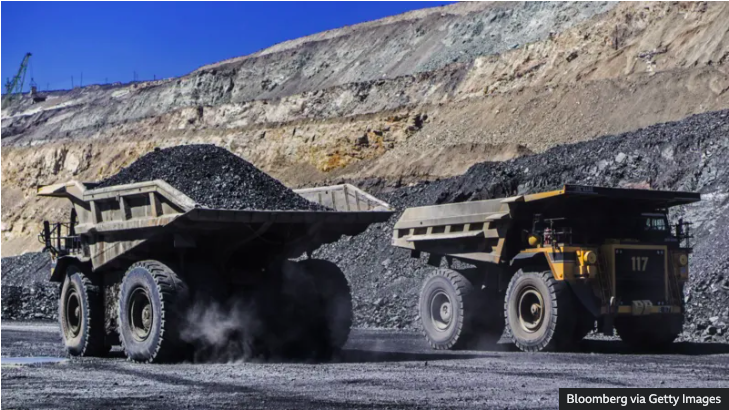
Ukraine and US Strike Major Minerals Deal Amid Growing Tensions
In a significant development, Ukraine has agreed to the terms of a major minerals deal with the United States, according to a senior official in Kyiv. The agreement, described as a "positive outcome" by the official, marks a crucial step in Ukraine’s efforts to leverage its vast mineral resources to secure economic stability and future security.
The Terms of the Deal
Register for Tekedia Mini-MBA edition 20 (June 8 – Sept 5, 2026).
Register for Tekedia AI in Business Masterclass.
Join Tekedia Capital Syndicate and co-invest in great global startups.
Register for Tekedia AI Lab.
The deal follows intense negotiations, during which Washington initially demanded a right to $500 billion in potential revenue from Ukraine’s natural resources. However, media reports suggest that this demand has been dropped. Instead, the agreement will establish a jointly owned fund aimed at rebuilding Ukraine’s infrastructure and economy. Under the terms, Ukraine will contribute 50% of future proceeds from its state-owned mineral resources, oil, and gas to the fund, which will then reinvest in various Ukrainian projects.
Despite these financial arrangements, one key Ukrainian demand—firm security guarantees from the US—appears to have been left out of the final agreement. This omission raises concerns in Kyiv about the long-term implications of the deal, especially amid shifting geopolitical dynamics.
Trump’s Position and Strategic Shift in US Foreign Policy

US President Donald Trump confirmed that Ukrainian President Volodymyr Zelensky is expected to visit Washington soon to sign the agreement. Trump emphasised that Ukraine would now have "the right to fight on" but reiterated that without US financial and military support, the war would have ended much sooner.
When asked whether the US would continue supplying military aid and ammunition to Ukraine, Trump responded, "Maybe until we have a deal with Russia... We need to have a deal, otherwise it's going to continue." He also hinted at the necessity of "some form of peacekeeping" in Ukraine following a potential ceasefire, but stressed that such an arrangement must be "acceptable to everyone."
Trump’s framing of the deal suggests a broader shift in US foreign policy, where American aid is increasingly tied to direct financial benefits. He stated that the US has provided Ukraine with between $300 billion and $350 billion in aid and that this deal ensures "the American taxpayer is going to get their money back plus." This marks a stark departure from previous US foreign policy approaches, including the Marshall Plan and post-Cold War democracy promotion strategies.

Ukraine’s Mineral Wealth and Strategic Importance
Ukraine is home to a vast wealth of critical minerals, including:
- Graphite: 19 million tonnes of proven reserves, essential for electric vehicle batteries.
- Lithium: Holding one-third of all European deposits, a key component in modern battery technology.
- Titanium: Before the war, Ukraine produced 7% of the world’s titanium, a material vital for aerospace and infrastructure projects.
- Rare Earth Metals: Used in high-tech industries, including weapons manufacturing, electronics, and renewable energy.
These resources make Ukraine a highly strategic player in global supply chains, particularly in the context of the ongoing transition to green energy and advanced manufacturing.
Geopolitical Implications and Russian Countermoves
Ukraine’s decision to grant the US access to its mineral wealth is being viewed within the context of broader geopolitical manoeuvring. In a move likely aimed at countering this agreement, Russian President Vladimir Putin recently stated that Moscow is willing to offer the US access to rare minerals, including from Russian-occupied regions of Ukraine. Putin further claimed that Russia possesses "significantly more resources of this kind than Ukraine."
These developments coincide with warming relations between Washington and Moscow, evidenced by their recent bilateral talks in Saudi Arabia. The prospect of US-Russia negotiations over Ukraine’s future—without Kyiv’s direct involvement—has raised alarm among Ukrainian and European officials. Many fear that Ukraine and the broader European security landscape could be significantly affected by US-Russian diplomacy conducted behind closed doors.
Why does the US want them?
Critical minerals "are the foundation of the 21st Century economy", Dr Muggah explained. They are key to renewable energy, military applications and industrial infrastructure and play "a growing strategic role in geopolitics and geoeconomics", he said.
Additionally, the US is keen on a deal for Ukraine's mineral resources because it wants to reduce dependency on China, which controls 75% of rare earth deposits in the world, according to the Geological Investment Group.
In December China banned the export of some rare earth minerals to the US, having previously limited mineral exports to the US the previous year.
On Monday, ahead of a visit with French President Emmanuel Macron, White House National Security Advisor Mike Waltz told US news outlet NewsNation that the deal was "about growing the pie economically and binding the US and Ukraine together for the future".
Ukraine’s Calculated Gamble
For Zelensky and his government, the agreement with the US represents both an economic opportunity and a calculated risk. By tying US financial interests to Ukraine’s mineral wealth, Kyiv hopes to secure a level of American investment that could translate into long-term protection against Russian aggression. However, without formal security guarantees, there is no certainty that the US will continue to support Ukraine militarily in the event of future escalations.
Moreover, Zelensky has faced criticism for engaging in what some see as a resource sell-off. Last year, he presented a "victory plan" to Western allies that included offering access to Ukraine’s mineral wealth in exchange for sustained support. While the newly agreed terms appear more favourable to Ukraine than initial US proposals, concerns remain over the long-term economic and political consequences of the deal.
The Future of US-Ukraine Relations
The Ukraine-US minerals deal is part of a larger realignment in international relations. Trump’s "America First" approach signals a new era where foreign aid is increasingly transactional. The deal also underscores Washington’s shifting priorities, where economic interests take precedence over ideological commitments to democracy and security.
For Ukraine, this deal is a high-stakes gamble aimed at securing economic recovery and leveraging Western investment. However, as the geopolitical landscape continues to shift, Kyiv will need to navigate these changes carefully to ensure that its sovereignty and long-term security are not compromised in the process.
The coming weeks will reveal more details about the deal’s implementation and its impact on US-Ukraine relations, as well as broader international dynamics. One thing is certain—this agreement is just the beginning of a new phase in Ukraine’s struggle for stability and self-determination.
Conclusion
The Ukraine-US minerals deal represents both an opportunity and a challenge for Kyiv. On one hand, it provides much-needed financial investment and potential economic recovery. On the other, it highlights Ukraine's increasing reliance on Western support without clear security guarantees. The deal also marks a shift in US foreign policy, where economic interests now dictate international aid.
As Ukraine navigates this new phase, the real test will be whether the agreement can truly bolster its economy and security or whether it merely serves as a temporary financial arrangement. Meanwhile, the evolving relationship between Washington, Kyiv, and Moscow will continue to shape the future geopolitical landscape, with long-term consequences yet to unfold.
Uploaded files:Share this:
- Click to share on Facebook (Opens in new window) Facebook
- Click to share on X (Opens in new window) X
- Click to share on WhatsApp (Opens in new window) WhatsApp
- Click to share on LinkedIn (Opens in new window) LinkedIn
- Click to email a link to a friend (Opens in new window) Email
- Click to print (Opens in new window) Print