

USAID Shutdown: How Trump’s Decision Impacts Global Democracy and Civil Society

Quote from Alex Bobby on February 15, 2025, 5:33 AM
The Impact of USAID’s Closure on Global Democracy and Civil Society
The U.S. Agency for International Development (USAID) has long been recognized as a cornerstone of America’s foreign policy, promoting democratic values, humanitarian aid, and economic development across the globe. However, the agency’s abrupt closure under former President Donald Trump has raised serious concerns among experts regarding the future of democracy promotion and civil society support worldwide.
The Importance of USAID in Global Development
For decades, USAID played a pivotal role in advancing U.S. policies, fostering economic partnerships, and supporting humanitarian efforts in various regions, including Central Asia. In Uzbekistan and other neighboring nations, USAID-funded projects were instrumental in strengthening emerging civil societies, promoting human rights, and bolstering independent media.
Political analyst and head of the non-governmental organization "Bilim Karvoni," Farhod Tolipov, asserts that the shutdown of USAID severely undermines U.S. leadership on the global stage. The organization had long symbolized America's commitment to democratic principles and human rights, and its closure casts doubt on the country’s dedication to these fundamental values.
Trump’s Decision and Its Consequences
The Trump administration justified USAID’s termination by citing inefficiency, alleged corruption, and a failure to align with American interests. Trump’s advisor, Elon Musk, initially questioned the agency’s effectiveness, and later, Trump himself highlighted operational shortcomings as a reason for its dissolution.
However, experts argue that the move was more politically motivated than practically necessary. Tolipov warns that shutting down USAID weakens the very democratic values that America has historically championed. He further emphasizes that Trump’s “Make America Great Again” slogan, while centered on U.S. sovereignty and economic strength, was inherently tied to the country’s global leadership role.
“The fact is that Trump came to power through a democratic election, yet he is making decisions that are causing outrage and controversy in the democratic world. These decisions do not align with traditional democratic principles but rather contradict fundamental democratic values,” Tolipov states.
The ramifications of this policy shift are already being felt. The closure of USAID has halted numerous economic and humanitarian projects, leaving vulnerable communities without critical support. The absence of USAID also diminishes America's influence in regions where it had been actively involved in democratic institution-building and human rights advocacy.
Impact on Central Asia and Authoritarian Regimes
Nowhere is the impact of USAID’s closure more apparent than in Central Asia. Uzbekistan and other nations in the region have long struggled with authoritarian governance, limited press freedom, and restricted civil liberties. USAID played a key role in supporting local NGOs, promoting judicial reforms, and fostering independent media.
With USAID’s exit, civil society organizations are left without vital financial and institutional backing. This creates a vacuum that authoritarian governments can exploit to tighten their grip on power. Tolipov warns that Trump’s retreat from global democracy promotion emboldens autocratic regimes, reducing international pressure for reforms and increasing the likelihood of political repression.
“Former President Joe Biden frequently emphasized the global struggle between democratic and authoritarian regimes. With Trump’s return and his apparent abandonment of the U.S.’s leadership in the democratic world, choosing isolation instead, I believe this will ultimately lead to the triumph of authoritarian regimes,” Tolipov explains.
His concerns echo broader fears among political analysts who view Trump’s foreign policy as a departure from America’s historical role as a global defender of democracy. The shift raises questions about the long-term implications for U.S. influence in geopolitically strategic regions, including Central Asia, where authoritarian leaders may now feel emboldened to crack down on dissent without fear of repercussions.
The Future of U.S. Global Influence
The closure of USAID signifies a major shift in U.S. foreign policy—one that prioritizes domestic interests over international engagement. While Trump’s administration argued that focusing resources at home was necessary, critics contend that such an approach weakens U.S. diplomatic leverage and global standing.
Historically, America’s commitment to democracy and human rights has been a key pillar of its soft power. The question now is whether the country can reclaim its leadership role in global democracy promotion. With another presidential election looming, the world is watching to see whether the next administration will restore USAID or take alternative measures to uphold America’s democratic legacy.
In the meantime, the loss of USAID continues to resonate in regions like Central Asia, where civil society struggles to survive without its crucial support. Whether the U.S. will return to its role as a global champion of democracy remains uncertain, but one thing is clear: the closure of USAID has left a lasting impact on the fight for human rights and democratic governance worldwide.
Conclusion
The closure of USAID marks a significant turning point in U.S. foreign policy, raising concerns about the country’s commitment to democracy promotion and global humanitarian aid. While the Trump administration justified the decision based on efficiency and national interests, critics argue that it has weakened America's global influence and emboldened authoritarian regimes, particularly in regions like Central Asia.
As the world navigates an increasingly complex geopolitical landscape, the absence of USAID leaves a void that may take years to fill. The future of U.S. leadership in global democracy remains uncertain, but the impact of this decision is already being felt by civil society organizations and vulnerable communities worldwide. Whether the U.S. will reclaim its role as a defender of democratic values depends on future policy choices and the willingness of its leaders to re-engage with the world.
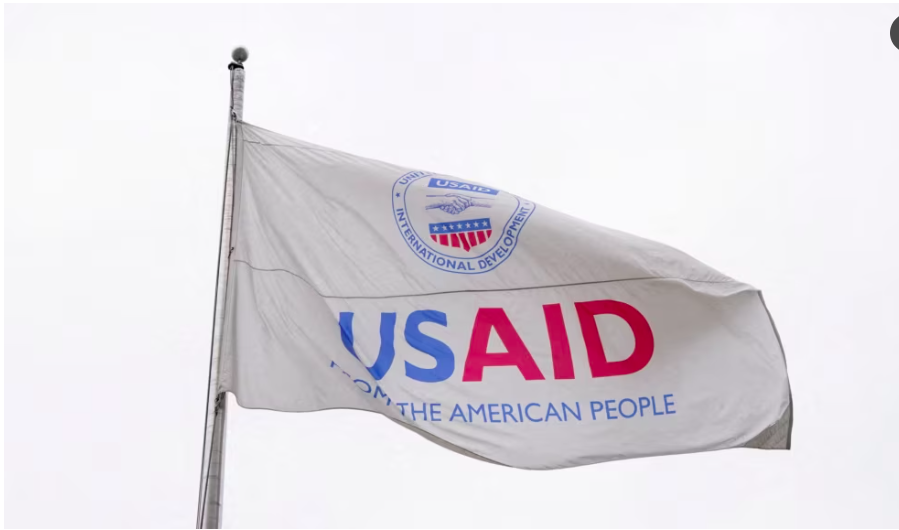
The Impact of USAID’s Closure on Global Democracy and Civil Society
The U.S. Agency for International Development (USAID) has long been recognized as a cornerstone of America’s foreign policy, promoting democratic values, humanitarian aid, and economic development across the globe. However, the agency’s abrupt closure under former President Donald Trump has raised serious concerns among experts regarding the future of democracy promotion and civil society support worldwide.
The Importance of USAID in Global Development
For decades, USAID played a pivotal role in advancing U.S. policies, fostering economic partnerships, and supporting humanitarian efforts in various regions, including Central Asia. In Uzbekistan and other neighboring nations, USAID-funded projects were instrumental in strengthening emerging civil societies, promoting human rights, and bolstering independent media.
Register for Tekedia Mini-MBA edition 20 (June 8 – Sept 5, 2026).
Register for Tekedia AI in Business Masterclass.
Join Tekedia Capital Syndicate and co-invest in great global startups.
Register for Tekedia AI Lab.
Political analyst and head of the non-governmental organization "Bilim Karvoni," Farhod Tolipov, asserts that the shutdown of USAID severely undermines U.S. leadership on the global stage. The organization had long symbolized America's commitment to democratic principles and human rights, and its closure casts doubt on the country’s dedication to these fundamental values.
Trump’s Decision and Its Consequences
The Trump administration justified USAID’s termination by citing inefficiency, alleged corruption, and a failure to align with American interests. Trump’s advisor, Elon Musk, initially questioned the agency’s effectiveness, and later, Trump himself highlighted operational shortcomings as a reason for its dissolution.
However, experts argue that the move was more politically motivated than practically necessary. Tolipov warns that shutting down USAID weakens the very democratic values that America has historically championed. He further emphasizes that Trump’s “Make America Great Again” slogan, while centered on U.S. sovereignty and economic strength, was inherently tied to the country’s global leadership role.

“The fact is that Trump came to power through a democratic election, yet he is making decisions that are causing outrage and controversy in the democratic world. These decisions do not align with traditional democratic principles but rather contradict fundamental democratic values,” Tolipov states.
The ramifications of this policy shift are already being felt. The closure of USAID has halted numerous economic and humanitarian projects, leaving vulnerable communities without critical support. The absence of USAID also diminishes America's influence in regions where it had been actively involved in democratic institution-building and human rights advocacy.
Impact on Central Asia and Authoritarian Regimes
Nowhere is the impact of USAID’s closure more apparent than in Central Asia. Uzbekistan and other nations in the region have long struggled with authoritarian governance, limited press freedom, and restricted civil liberties. USAID played a key role in supporting local NGOs, promoting judicial reforms, and fostering independent media.

With USAID’s exit, civil society organizations are left without vital financial and institutional backing. This creates a vacuum that authoritarian governments can exploit to tighten their grip on power. Tolipov warns that Trump’s retreat from global democracy promotion emboldens autocratic regimes, reducing international pressure for reforms and increasing the likelihood of political repression.
“Former President Joe Biden frequently emphasized the global struggle between democratic and authoritarian regimes. With Trump’s return and his apparent abandonment of the U.S.’s leadership in the democratic world, choosing isolation instead, I believe this will ultimately lead to the triumph of authoritarian regimes,” Tolipov explains.
His concerns echo broader fears among political analysts who view Trump’s foreign policy as a departure from America’s historical role as a global defender of democracy. The shift raises questions about the long-term implications for U.S. influence in geopolitically strategic regions, including Central Asia, where authoritarian leaders may now feel emboldened to crack down on dissent without fear of repercussions.
The Future of U.S. Global Influence
The closure of USAID signifies a major shift in U.S. foreign policy—one that prioritizes domestic interests over international engagement. While Trump’s administration argued that focusing resources at home was necessary, critics contend that such an approach weakens U.S. diplomatic leverage and global standing.
Historically, America’s commitment to democracy and human rights has been a key pillar of its soft power. The question now is whether the country can reclaim its leadership role in global democracy promotion. With another presidential election looming, the world is watching to see whether the next administration will restore USAID or take alternative measures to uphold America’s democratic legacy.
In the meantime, the loss of USAID continues to resonate in regions like Central Asia, where civil society struggles to survive without its crucial support. Whether the U.S. will return to its role as a global champion of democracy remains uncertain, but one thing is clear: the closure of USAID has left a lasting impact on the fight for human rights and democratic governance worldwide.
Conclusion
The closure of USAID marks a significant turning point in U.S. foreign policy, raising concerns about the country’s commitment to democracy promotion and global humanitarian aid. While the Trump administration justified the decision based on efficiency and national interests, critics argue that it has weakened America's global influence and emboldened authoritarian regimes, particularly in regions like Central Asia.
As the world navigates an increasingly complex geopolitical landscape, the absence of USAID leaves a void that may take years to fill. The future of U.S. leadership in global democracy remains uncertain, but the impact of this decision is already being felt by civil society organizations and vulnerable communities worldwide. Whether the U.S. will reclaim its role as a defender of democratic values depends on future policy choices and the willingness of its leaders to re-engage with the world.
Uploaded files:Share this:
- Click to share on Facebook (Opens in new window) Facebook
- Click to share on X (Opens in new window) X
- Click to share on WhatsApp (Opens in new window) WhatsApp
- Click to share on LinkedIn (Opens in new window) LinkedIn
- Click to email a link to a friend (Opens in new window) Email
- Click to print (Opens in new window) Print