

France is facing a difficult combination of weak economic growth, strained public finances and growing public dissatisfaction. Despite its considerable influence within the European Union, the country is struggling to deliver the prosperity and financial security many citizens expect.
As living costs remain a concern and confidence in political leadership weakens, the possibility of a deeper political crisis is becoming increasingly apparent. The situation recalls the gilets jaunes, or yellow vest, demonstrations that shook France in 2018 and 2019.
Those protests began over fuel taxes but quickly developed into a broader revolt against economic inequality, declining purchasing power and a political establishment perceived as disconnected from ordinary people.
Register for the next Tekedia Mini-MBA.
Register for Tekedia AI in Business Masterclass.
Join Tekedia Capital Syndicate and co-invest in great global startups.
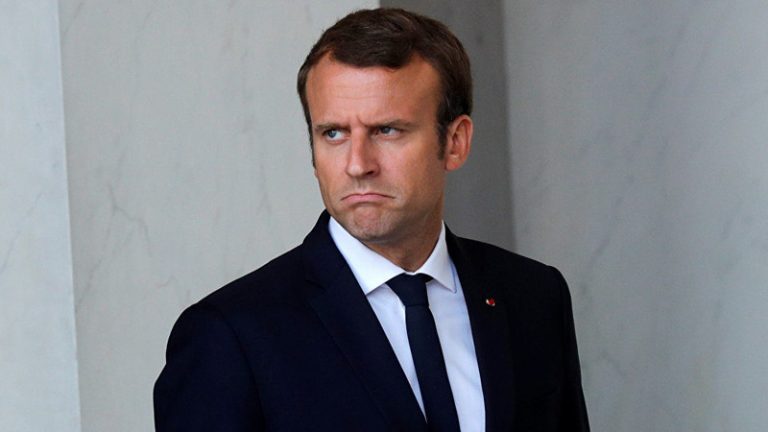
President Emmanuel Macron responded with financial concessions and other measures designed to ease the pressure on households. Although the response did not resolve every underlying problem, it helped reduce the immediate intensity of the unrest.
Repeating that strategy has become considerably more difficult. France’s public debt has risen to worrying levels, leaving the government with less room to introduce expensive relief measures. Public spending commitments are substantial.
While sluggish growth limits the government’s ability to increase revenue without raising taxes or imposing additional burdens on businesses and households. Macron faces a difficult choice between responding to popular demands and maintaining financial credibility.

This predicament creates fertile ground for political discontent. When citizens feel that their living standards are deteriorating while governments insist that resources are limited, frustration can quickly turn into distrust.
Protesters may become less willing to accept calls for patience, particularly when they believe political leaders have failed to distribute economic opportunities fairly. Populist parties on both the left and right are well positioned to exploit this dissatisfaction.
Their promises often include higher public spending, generous social benefits, lower retirement ages and stronger protection for workers. Such proposals can appeal to voters who are struggling financially and feel excluded from economic progress.

However, implementing these commitments would require substantial funding, potentially worsening the fiscal pressures that already constrain France. The promise of earlier retirement is particularly significant.
France has experienced fierce disputes over pension reform, demonstrating how deeply citizens value retirement security. While lowering retirement ages may attract support, an ageing population and mounting pension obligations make such policies increasingly expensive.
Without stronger economic growth or additional revenue, generous promises risk becoming difficult to sustain. Marine Le Pen and the National Rally could benefit from this environment. Her political movement has built support by presenting itself as an alternative to established parties, emphasizing national sovereignty, purchasing power and public order.
If economic dissatisfaction continues, voters may become more receptive to her message. Yet combining ambitious spending commitments with fiscal discipline would present serious challenges for any government.
Le Pen’s approach to immigration and national identity also raises concerns. Critics argue that linking public disorder to people of immigrant backgrounds risks deepening social divisions and diverting attention from structural economic problems.
France’s challenges cannot be reduced to immigration alone; productivity, employment, taxation, public services and fiscal management all demand serious attention. France’s crisis is about more than balancing budgets.
It concerns the relationship between economic performance, political trust and social cohesion. Citizens expect governments to protect their livelihoods, but financial constraints limit what politicians can realistically deliver.
Unless France finds a credible path toward stronger growth, sustainable public finances and fairer economic opportunities, anger is unlikely to disappear. The next presidential contest could therefore become a decisive test of whether voters prefer difficult economic reforms or populist promises whose costs may ultimately prove unsustainable.