

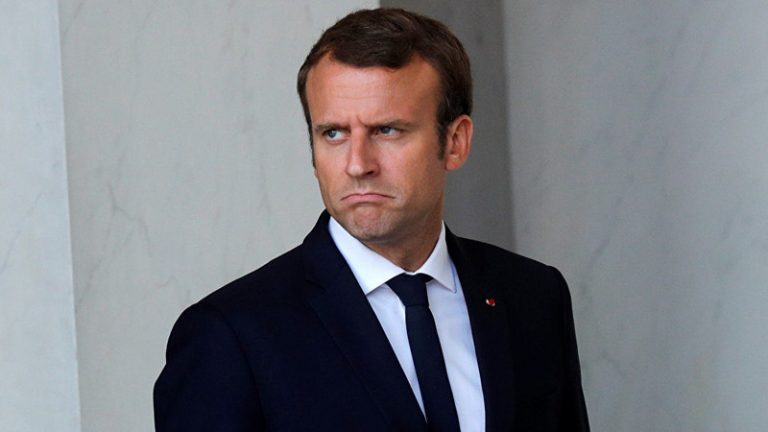
France is facing a period of growing political and economic uncertainty as President Emmanuel Macron confronts mounting public anger, financial market instability and increasing pressure on his minority government.
Known for navigating political turbulence, including frequent changes of prime ministers and widespread street protests, Macron now faces a difficult challenge that could shape France’s political future ahead of the next presidential election.
The latest demonstrations highlight longstanding dissatisfaction with the country’s public education system. Hundreds of thousands of protesters, including many students, have reportedly taken to the streets across France to express frustration over deteriorating school conditions, inadequate resources and concerns about the quality of education.
Register for the next Tekedia Mini-MBA.
Register for Tekedia AI in Business Masterclass.
Join Tekedia Capital Syndicate and co-invest in great global startups.
Although these grievances have developed over several years, the scale of the protests reflects the growing difficulty facing a government already struggling to maintain public confidence.
Public education is central to France’s social model, which emphasizes equal opportunities and access to essential public services. When schools experience staffing shortages, deteriorating facilities or insufficient funding, the consequences extend beyond classrooms.
Students’ academic performance, teachers’ working conditions and families’ confidence in public institutions can all suffer. Consequently, dissatisfaction with education has become part of a broader debate about the government’s ability to deliver essential services.

Macron’s government faces a significant obstacle in responding to the demonstrations: France’s deteriorating financial position. Previous administrations have often attempted to ease public discontent through additional spending, subsidies and financial concessions.
Such measures can temporarily reduce tensions, but they increase pressure on public finances. With borrowing costs rising sharply, the government has less room to introduce expensive policies without provoking further concerns among investors.
France’s bond market has become a particularly important source of pressure. A substantial sell-off in government bonds has pushed borrowing costs to their highest levels in almost 25 years, according to the account presented.

Higher yields mean the government must pay more to borrow money, increasing the cost of refinancing existing debt and financing public services. As interest payments consume a larger share of government revenue, fewer resources remain available for education, healthcare, infrastructure and other priorities.
This situation creates a difficult policy dilemma. Reducing public expenditure could help reassure investors and demonstrate a commitment to fiscal discipline. Nevertheless, spending cuts may intensify public dissatisfaction, particularly if schools and other essential services are affected.
Conversely, expanding spending to satisfy protesters could deepen concerns about debt sustainability and increase pressure on borrowing costs. The government must therefore balance immediate social demands against longer-term financial stability.
The political consequences could be significant. France’s minority government already operates in a challenging parliamentary environment, where securing support for major reforms can be difficult. Public demonstrations and market instability may further complicate efforts to implement spending reductions or other economic measures.
These developments are unfolding as France approaches its next presidential election. Marine Le Pen and the far-right National Rally remain influential forces in French politics, making dissatisfaction with the established political leadership an important factor in the electoral debate.
Economic insecurity, concerns about public services and frustration with government decisions could all influence voters’ priorities. France’s predicament illustrates the close relationship between economic management and political stability.
Macron’s government must address legitimate concerns about education while restoring confidence in the country’s public finances. Neither challenge can be resolved easily, and decisions made now may have lasting consequences.
As the presidential election approaches, France’s ability to reconcile fiscal responsibility with public expectations will remain under scrutiny. The outcome will depend partly on whether the government can demonstrate that economic restraint does not have to come at the expense of essential public services.
With pressure mounting in both the streets and financial markets, France has entered a critical period that could reshape its political debate for years to come.