

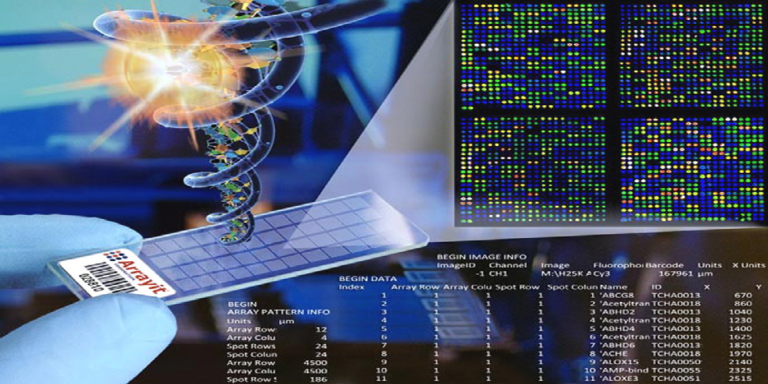
For years, biotechnology was something many businesses watched from a distance. It was associated with university laboratories, pharmaceutical research, and scientific discoveries that could take decades to reach the market. Today, that picture is changing.
Companies are exploring ways to use biological systems to manufacture materials, develop medicines and improve industrial processes. What makes this interesting isn’t simply the science itself, but the possibility of creating products that conventional manufacturing methods struggle to deliver.
Biology Is Becoming a Business Tool
Synthetic biology involves designing or modifying biological systems to perform specific functions. Scientists can work with DNA, enzymes, and microorganisms to develop processes that serve practical purposes.
Consider a company producing a chemical ingredient. Traditional manufacturing might depend on petroleum-based materials and energy-intensive processes. Biological production could offer another approach, using engineered microorganisms to manufacture certain compounds.
The potential extends into agriculture, healthcare, food production, and advanced materials. However, each opportunity comes with different technical requirements, costs, and regulatory considerations.
Better DNA Production Could Accelerate Research
Developing new biological products often requires researchers to design and test numerous DNA sequences. The ability to obtain those sequences reliably can influence how quickly experiments progress.
Advances in DNA manufacturing are therefore attracting commercial interest. Companies exploring synthetic biology applications can investigate how improved access to custom DNA supports research across areas such as protein engineering, therapeutics and biological manufacturing.
For startups, reducing delays between designing an experiment and testing it could make research programs more manageable.
Speed alone isn’t enough, though. Accuracy, production costs and consistent quality remain important when laboratory discoveries move towards commercial development.
Healthcare Offers Opportunities Beyond Traditional Drugs
Healthcare is one of the most visible areas benefiting from advances in biological engineering.
Researchers are investigating engineered cells, new therapeutic approaches, and more efficient ways to develop biological medicines. Synthetic biology can also support diagnostic technologies and the production of specialized research materials.
Commercial success remains challenging. Healthcare products must undergo extensive testing, and regulatory approval can take years.
Nevertheless, improved research tools may help companies investigate more possibilities before committing substantial resources to clinical development.
Manufacturing Could Look Very Different
Biological manufacturing is attracting attention because it offers alternative ways to produce certain ingredients and materials.
Engineered microorganisms can potentially manufacture compounds used in fragrances, food ingredients, and industrial products. Some approaches may reduce dependence on conventional raw materials, although their environmental benefits must be assessed individually.
Scaling these processes presents difficulties. A biological system that performs well in a laboratory may behave differently inside a large production facility.
Businesses must consider equipment costs, production yields and supply chain reliability before deciding whether a new process is commercially viable.
Africa Has a Stake in the Emerging Bioeconomy
For African economies, biotechnology could create opportunities in agriculture, healthcare and local manufacturing.
Research into improved crops, biological inputs and regionally relevant medical technologies may help address challenges that imported solutions don’t always meet effectively.
However, building competitive biotechnology industries requires more than promising research. Investment in laboratory infrastructure, technical education, regulatory capacity, and commercial partnerships will be essential.
Local businesses also need realistic pathways for turning scientific discoveries into products customers can afford.
Turning Scientific Potential Into Commercial Value
The growing relationship between biology and business creates exciting possibilities, but scientific innovation doesn’t guarantee commercial success.
Companies still need to identify genuine market demand, protect intellectual property, and demonstrate that their products can be manufactured reliably at a competitive cost.
The businesses that make meaningful progress will be those capable of connecting laboratory expertise with practical commercial decisions.
Biology is giving entrepreneurs new ways to approach familiar problems. The next challenge is ensuring those ideas can move beyond successful experiments and become products that deliver lasting value.