

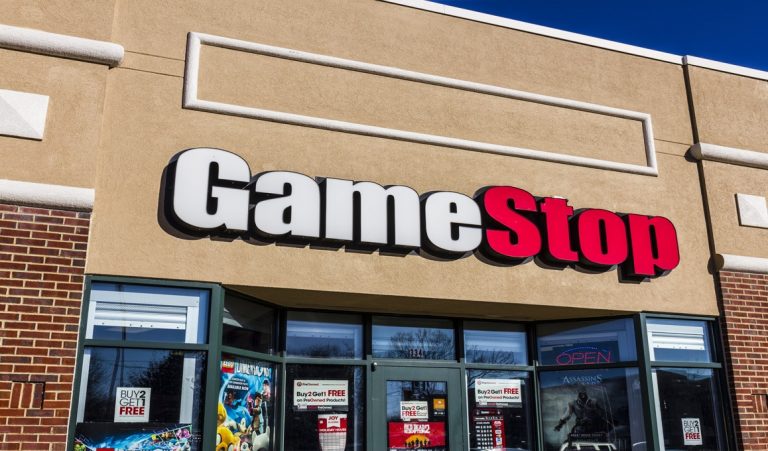
GameStop Corp. posted a solid first-quarter performance on Tuesday, reporting a 14% increase in net sales and a dramatic improvement in profitability, as the iconic videogame retailer continues its strategic evolution toward higher-margin collectibles and trading cards amid the industry’s rapid shift to digital downloads and online platforms.
For the quarter ended May 2, GameStop’s net sales reached $835.3 million, up from $732.4 million in the same period a year earlier. Net income surged to $389.6 million, a sharp turnaround from $44.8 million last year. The results beat expectations and underscored the early success of the company’s pivot away from traditional hardware and physical game sales, which have faced structural headwinds as gamers increasingly favor digital distribution, subscriptions, and cloud gaming.
Shares of GameStop jumped 7.4% in extended trading following the release, reflecting investor approval of both the operational progress and the company’s renewed capital return initiatives.
Register for the next Tekedia Mini-MBA.
Register for Tekedia AI in Business Masterclass.
Join Tekedia Capital Syndicate and co-invest in great global startups.
In a significant move, GameStop’s board approved a new $2 billion share repurchase program, set to run through June 2, 2029. This replaces the previous authorization from March 2019 and signals strong confidence from management in the company’s intrinsic value and long-term prospects.
The buyback provides a meaningful tool for returning capital to shareholders while potentially supporting the stock price during periods of market volatility — a notable development for a company that has long been a favorite among retail investors.
Pivot Toward Collectibles Pays Off
GameStop has been methodically reshaping its business model over the past several years. As the broader videogame industry transitions toward digital ecosystems dominated by platforms like Steam, PlayStation Network, and Xbox Live, the company has deliberately reduced its dependence on low-margin hardware and software sales. Instead, it has doubled down on physical collectibles, trading cards, merchandise, and experiential retail offerings that cannot be easily replicated online.

This shift appears to be gaining traction. Strong demand for collectibles helped offset softness in other categories and contributed to improved margins. The performance highlights GameStop’s ability to adapt to changing consumer behaviors while leveraging its extensive physical store network and loyal customer base — assets that still provide differentiation in an increasingly digital world.
Aggressive Pursuit of eBay Acquisition
The earnings report comes against the backdrop of GameStop’s bold and ongoing effort to acquire eBay. Last month, the company made an unsolicited $56 billion offer for the e-commerce giant, which eBay swiftly rejected as “neither credible nor attractive.”
Undeterred, CEO Ryan Cohen has increased GameStop’s stake in eBay to approximately 6.6% from around 5%. Cohen has publicly reiterated his commitment to the deal and indicated he is prepared to take the proposal directly to eBay shareholders if necessary.

He has argued that combining the two companies would unlock substantial cost synergies, operational efficiencies, and strategic advantages, creating a much larger and more competitive enterprise in the evolving retail and digital commerce landscape.
eBay, which is roughly five times larger than GameStop by market value, has so far shown little interest in entertaining the bid. However, Cohen’s activist-style approach and history of pushing for change (notably his earlier involvement that helped stabilize GameStop during the 2021 meme stock episode) suggest this situation could remain fluid.
A successful acquisition would represent a transformative leap for GameStop, potentially giving it access to eBay’s vast global marketplace, logistics infrastructure, and established user base. Synergies could include cross-selling opportunities between gaming collectibles and general e-commerce, shared technology platforms, and cost savings in areas such as marketing, fulfillment, and overhead.
However, integrating two distinct corporate cultures and business models would carry significant execution risks, including regulatory scrutiny and potential shareholder pushback.
GameStop’s resurgence continues to captivate Wall Street and retail investors alike. While the company still faces long-term structural challenges in a digital-first gaming industry, its pivot toward collectibles, aggressive share repurchase authorization, and ambitious M&A strategy have injected fresh narrative momentum and helped reframe the stock beyond its meme-era volatility.
The $2 billion buyback, in particular, demonstrates prudent capital allocation at a time when many traditional retailers are struggling with margin compression, store traffic declines, and competitive pressure from pure-play online players. It also provides a potential valuation backstop, which could appeal to both long-term holders and shorter-term traders.
That said, risks remain. The eBay bid is far from assured, and any failure to close the deal or complications during integration could lead to disappointment. GameStop must also continue proving that its collectibles-focused strategy can deliver sustainable growth as the core gaming business evolves.
Looking ahead, Tuesday’s results and announcements portray a company that is no longer just reacting to industry disruption but actively seeking to redefine its role within it. Under Ryan Cohen’s leadership, GameStop is blending traditional retail strengths with activist energy and bold strategic moves.