

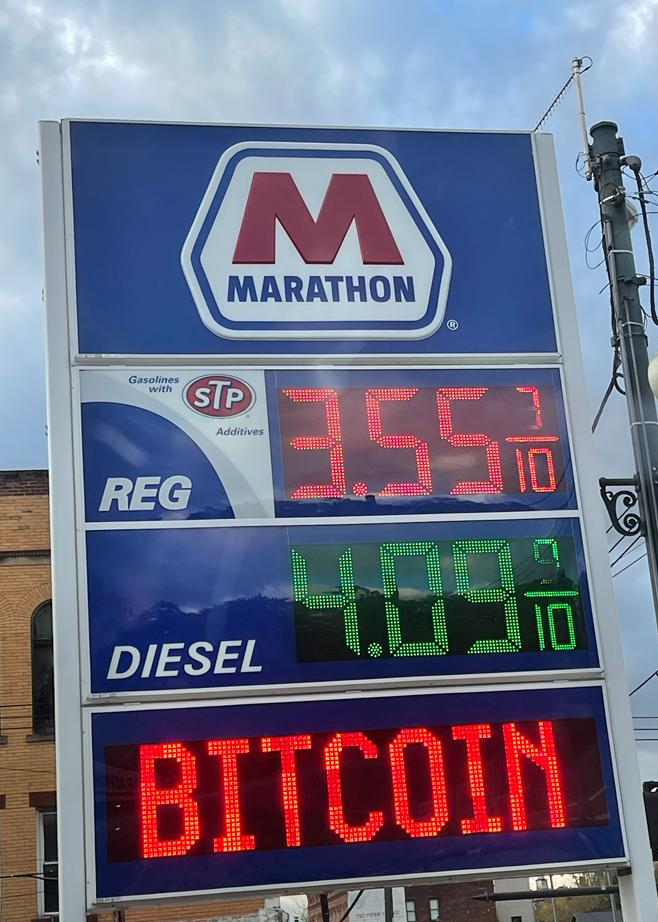
The national average price for a gallon of regular unleaded gasoline in the US crossed $4 for the first time since August 2022.
AAA reports the national average sitting around $4.06–$4.08, with some daily figures cited at $4.02 when it first breached the threshold on or around March 31. The sharp rise—more than $1 per gallon in roughly one month—stems primarily from the ongoing war in Iran involving U.S./Israeli actions and Iran’s responses, including disruption in the Strait of Hormuz.
This has driven up global oil prices significantly (crude oil has hovered near or above $100/barrel in recent days). Gas prices typically lag oil movements but have climbed rapidly here, marking one of the largest monthly jumps on record. Before the escalation in late February 2026, the national average was around $2.98. Diesel has risen even more sharply up ~$1.70 in the period.
This remains below the 2022 peak of ~$5.02 during the Russia-Ukraine war fallout. Prices vary widely by state due to taxes, refining costs, and local supply. Some states especially in California and parts of the West Coast have already been well above $4–$5 for a while, while others lag. At least 13 states reportedly averaged $4 or more as the national figure hit the mark.
Register for Tekedia Mini-MBA edition 20 (June 8 – Sept 5, 2026).
Register for Tekedia AI in Business Masterclass.
Join Tekedia Capital Syndicate and co-invest in great global startups.
Register for Tekedia AI Lab.
Gas prices are a visible pocketbook issue for many Americans, influencing everything from commuting costs to broader inflation perceptions. They often rise in spring due to seasonal demand and refinery switches to summer blends, but the geopolitical shock has accelerated this dramatically. Prices could stabilize or ease if oil supply disruptions resolve, but analysts note that retail gas often takes longer to fall than it does to rise.
Oil prices have a major influence on gasoline prices in the US, as crude oil is the primary raw material used to produce gasoline. According to the U.S. Energy Information Administration (EIA) and industry data, the retail price of a gallon of regular unleaded gas typically breaks down like this: Crude oil cost: ~47–60% often the largest share, around 50–55% recently. This is the biggest driver.
Refining costs and profits: ~14–17%. Distribution, marketing, and retail margins: ~15–20%. Federal and state taxes: ~15–17%, these are relatively fixed but vary by state; e.g., higher in California. When crude oil prices rise sharply, they directly push up the wholesale cost of gasoline, which eventually passes through to the pump.

A rough rule of thumb: A $10 increase per barrel of crude oil translates to roughly 20–25 cents per gallon at the pump since a barrel contains 42 gallons, though not all of it becomes gasoline. Before the escalation involving Iran in late February 2026, the national average gas price was around $2.98 per gallon, with crude oil in the $55–$70 range.
The conflict disrupted key oil supply routes, especially the Strait of Hormuz which normally carries about 20% of global oil. Tanker traffic plummeted due to attacks and risks, effectively removing millions of barrels per day from the market. This caused a massive supply shock: Crude oil prices surged dramatically.
Brent crude climbed toward or above $100–$120 per barrel at peaks, with WTI also topping $100. The jump in oil was one of the fastest monthly gains in years. Gasoline followed, rising over $1 per gallon in about a month — one of the sharpest increases on record — pushing the national average above $4.00 around $4.02–$4.08 as of early April 2026. Diesel rose even more sharply up ~$1.70.

Oil is a globally traded commodity. Even though the US is now the world’s top oil producer and a net exporter, US refiners and markets still respond to global prices. Disruptions anywhere like in the Middle East raise costs everywhere because traders bid up the price of available supply.
Gas prices don’t move in perfect lockstep with oil: Upward pass-through is often faster: Refiners and stations quickly adjust to higher replacement costs for new shipments. Downward movement can be slower: Stations may hold prices higher longer to rebuild margins after periods of thin profits. This is sometimes called the rockets and feathers effect — prices shoot up like a rocket but fall like a feather.
It typically takes 2–3 weeks or more for changes in crude to fully show up at the pump, due to refining, transportation, and inventory cycles. Seasonal factors can amplify rises. Higher oil and gas prices act like a broad energy tax on the economy: Direct hit to consumers — Families spend more on fuel for commuting, road trips, and heating.
A sustained $1+ increase per gallon can cost the average household hundreds extra per year, reducing disposable income for other spending. This can slow retail sales and economic growth. Energy costs feed into headline CPI quickly. Higher fuel also raises transportation costs for goods, contributing to cost-push inflation in groceries, shipping, plastics, and many manufactured items.
Analysts estimated the recent shock could add 1% or more to near-term inflation readings. Core inflation excluding food/energy may rise more indirectly as businesses pass on costs. Trucking, airlines, and manufacturing face higher diesel and jet fuel costs, which can squeeze profits or lead to price hikes elsewhere. Freight rates may increase, affecting everything from food delivery to online shopping.
Sustained high oil can slow GDP growth by reducing consumer spending and raising input costs while pushing unemployment slightly higher in energy-sensitive sectors. It complicates central bank policy — the Fed may hesitate on rate cuts if inflation reaccelerates. In extreme or prolonged cases, it risks stagflation.
Oil-producing regions and states and energy companies may benefit from higher revenues. But most households and import-dependent industries feel the pinch. Lower-income drivers with longer commutes or less fuel-efficient vehicles are hit hardest. In the current 2026 context, the Iran-related disruption has been the dominant factor, on top of normal spring demand increases.
The US has tools like releasing Strategic Petroleum Reserve oil or easing certain import rules, but global markets dominate. If the supply issues ease via diplomacy or alternative routes, prices could moderate — though retail gas often falls more slowly than it rises.