

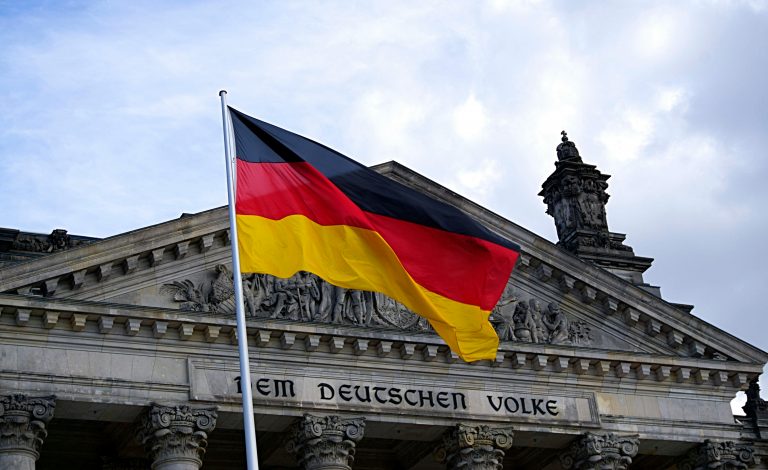
In 2024, Germany experienced its second consecutive year of GDP contraction, marking the longest period of economic recession in recent decades. The German economy, which shrank by 0.3% in 2023, further contracted by 0.2% in 2024. This downturn is attributed to a combination of factors including weak global demand, high energy costs, elevated interest rates, and ongoing structural challenges such as the transition to green energy and competition from countries like China.
Despite some sectors showing resilience, particularly in employment, the overall economic climate has been characterized by stagnation and a lack of significant growth, with forecasts indicating that the German economy has not meaningfully expanded in the last four years. The situation has been described as Germany being in “troubled waters” with the government revising its growth expectations downwards significantly.
The German recession in recent years can be attributed to a confluence of both domestic and international factors.
Register for Tekedia Mini-MBA edition 20 (June 8 – Sept 5, 2026).
Register for Tekedia AI in Business Masterclass.
Join Tekedia Capital Syndicate and co-invest in great global startups.
Register for Tekedia AI Lab.
Energy Crisis: Dependence on Russian Gas: Germany’s heavy reliance on Russian gas became a significant liability following geopolitical tensions, notably after the invasion of Ukraine in 2022, leading to disruptions in supply and skyrocketing energy costs.
High Energy Prices: The cost of energy, particularly for industrial users, surged, affecting manufacturing output, which is a cornerstone of the German economy.
Global Economic Slowdown: Weak Export Demand: As one of the world’s leading exporters, Germany felt the impact of slowdowns in key markets like China and the United States, reducing demand for German goods.

Supply Chain Disruptions: Ongoing supply chain issues globally have affected the availability of raw materials and components, impacting production.
Rising Inflation: High inflation rates in Europe have eroded consumer purchasing power, leading to decreased domestic consumption.
Interest Rate Hikes: The European Central Bank’s response to inflation with rate hikes has increased borrowing costs, cooling investment and consumer spending.

Structural Challenges
While Germany has a strong tradition in manufacturing and engineering, the innovation in software and digital technologies has predominantly come from the U.S. This trend has led to German firms lagging in some tech sectors, with German leaders expressing concerns about missing out on the digital revolution. Many cutting-edge technologies and patents are held by U.S. companies, which can limit German businesses’ ability to compete without licensing or buying these technologies.
Digitalization Lag: Germany’s pace in adopting digital technologies has been slower compared to some competitors, affecting productivity. Aging Population: An aging workforce and demographic changes pose long-term challenges to economic growth, affecting labor supply and social welfare costs.
Political and Policy Uncertainty: Coalition Government: The formation of a three-party coalition has sometimes led to slower decision-making on critical economic reforms.
Environmental Regulations: The push for green policies, while beneficial long-term, has introduced short-term costs and uncertainties for industries, particularly those reliant on traditional energy sources.
Corporate Investment and Consumer Confidence: There has been a noticeable slowdown in corporate investment due to these uncertainties and the economic environment. Consumer Confidence: High inflation, alongside fears of an extended recession, has dampened consumer confidence, leading to reduced spending.
External Shocks: The lingering effects of the global health crisis, including changes in consumer behavior and labor market disruptions, have had lasting impacts.
Banking and Financial Sector Stress: German banks have faced challenges due to low interest rates, regulatory pressures, and the need to prepare for potential bad loans, which has also contributed to an economic slowdown. These factors combined have created a complex environment where Germany, traditionally one of Europe’s economic powerhouses, is facing significant challenges to reignite growth.