

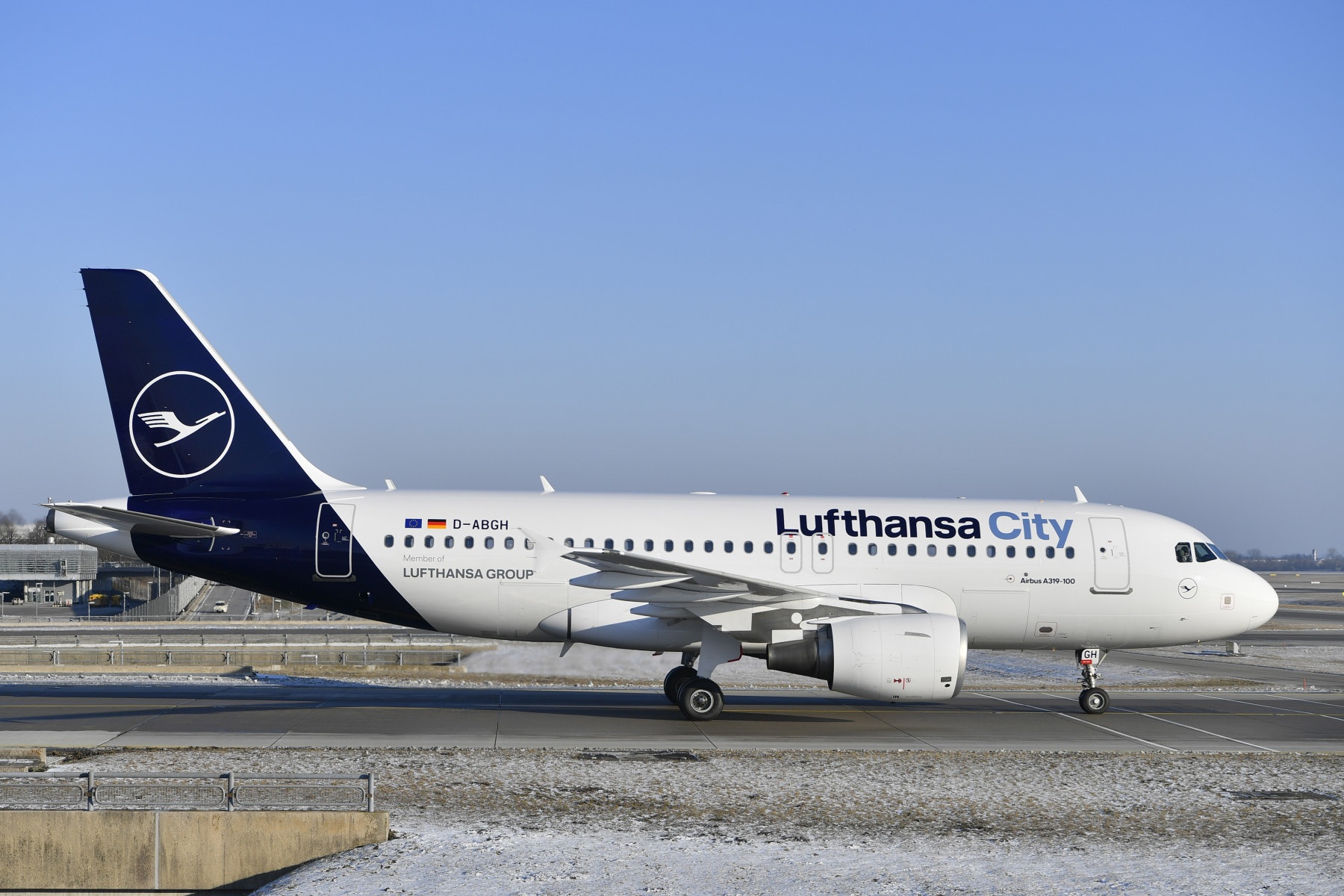
Germany’s aviation sector is facing renewed uncertainty as major airports across the country warn that millions of flights could be cancelled or severely disrupted in the coming months.
The warning reflects a growing crisis in European air travel, driven by labor shortages, strikes, rising operational costs, climate regulations, and increasing pressure on airport infrastructure. For Europe’s largest economy, the implications extend far beyond tourism, threatening business activity, trade efficiency, and public confidence in transportation systems.
German airports have struggled to recover fully from the long-term effects of the COVID-19 pandemic. During the crisis, airlines and airport operators laid off thousands of workers, including baggage handlers, security staff, air traffic personnel, and ground crews. Although passenger demand has returned rapidly, staffing levels have not kept pace.
This mismatch has created delays, cancellations, and mounting frustration for travelers. Airports in Frankfurt, Munich, Berlin, and Hamburg have all reported operational strain during peak travel periods. One of the largest concerns comes from labor unrest. Workers across the aviation industry are demanding higher wages to offset inflation and rising living costs.
Register for the next Tekedia Mini-MBA.
Register for Tekedia AI in Business Masterclass.
Join Tekedia Capital Syndicate and co-invest in great global startups.
Germany has experienced repeated transport strikes over the past two years, involving airport staff, airline crews, and railway workers. Trade unions argue that aviation employees are overworked and underpaid after years of restructuring and cost-cutting. Airport operators, however, claim they are already under financial pressure from energy prices, maintenance costs, and stricter environmental regulations.
The result is a cycle of negotiations and disruptions that continues to threaten flight schedules. Air traffic control capacity is another growing issue. European skies are becoming increasingly congested as travel rebounds. Germany, positioned at the center of Europe, acts as a major transit hub for international flights. Any disruption within German airspace quickly spreads across the continent.
Delays caused by staffing shortages among air traffic controllers can ripple through airline networks, affecting passengers from London to Dubai. Aviation analysts warn that without urgent investment in personnel and digital modernization, cancellation risks could intensify during busy summer and holiday seasons.
Climate policy is also reshaping the industry. Germany and the European Union are pushing for greener aviation practices, including higher fuel standards, emissions pricing, and taxes on short-haul flights. While environmental advocates see these measures as necessary, airlines argue they are increasing operating expenses at a time when the industry is still financially fragile.

Some carriers have already reduced routes that are no longer profitable under new cost structures. This has raised fears that regional airports and smaller cities could lose connectivity. The economic consequences of widespread flight cancellations would be substantial. Germany relies heavily on business travel, exports, tourism, and logistics. Delays in air transport can disrupt supply chains, reduce tourism revenue, and slow international investment activity.
Major trade fairs and corporate events, which are essential to Germany’s economy, depend on reliable air connections. Frequent disruptions may also damage Germany’s reputation as a stable and efficient transport hub.
For ordinary travelers, the uncertainty creates frustration and financial strain. Families planning holidays, students traveling abroad, and professionals attending international meetings face the risk of last-minute cancellations and higher ticket prices. Consumer confidence in airlines and airports could weaken further if disruptions continue at large scale.
The warning from German airports highlights deeper structural problems within modern aviation. The industry is attempting to balance economic recovery, labor demands, environmental responsibility, and growing passenger demand all at once. Unless governments, airports, and airlines coordinate more effectively, Germany’s flight disruption crisis may become a symbol of broader instability within global transportation systems.
