

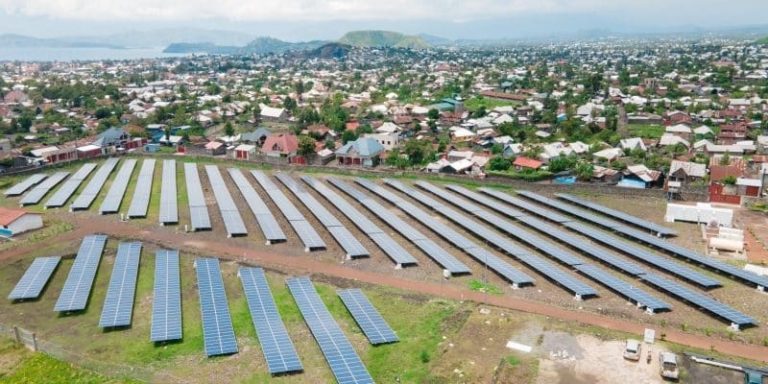
Germany’s solar industry has emerged as one of the country’s most significant pillars in its transition toward clean energy. Over the past decade, the nation has invested heavily in renewable energy technologies, positioning itself as a global leader in solar power adoption.
Recent government proposals have sparked concern among industry leaders, who argue that planned policy changes could undermine the sector’s momentum and jeopardize Germany’s broader climate objectives.
The concerns stem from proposals aimed at reducing subsidies and altering market incentives for renewable energy producers.
Germany’s solar sector has long benefited from supportive policies, including feed-in tariffs and investment incentives that encouraged households, businesses, and utilities to install photovoltaic systems. These measures contributed to a rapid increase in solar capacity, helping the country reduce its reliance on fossil fuels and imported energy sources.
Register for the next Tekedia Mini-MBA.
Register for Tekedia AI in Business Masterclass.
Join Tekedia Capital Syndicate and co-invest in great global startups.
Industry representatives argue that scaling back support mechanisms at this stage could slow investment precisely when Europe faces increasing energy security challenges. The solar industry believes that policy uncertainty discourages investors, delays projects, and weakens the competitiveness of domestic manufacturers.
Germany’s renewable energy ambitions are deeply tied to its broader economic and environmental strategies. Following disruptions in global energy markets and the continent’s efforts to reduce dependence on foreign fossil fuel supplies, solar energy has become an essential component of national energy security.
The government has set ambitious targets for expanding renewable capacity, with solar expected to contribute a substantial share of future electricity generation.
Industry groups warn that contradictory policies may make achieving these targets increasingly difficult.

They argue that reducing incentives while simultaneously demanding faster renewable deployment sends mixed signals to the market. Such inconsistency could result in lower installation rates and a decline in domestic production capabilities.
Another major concern is employment. Germany’s solar industry supports thousands of jobs across manufacturing, installation, maintenance, research, and supply chain services.
Industry associations fear that weaker government support could lead to job losses and discourage innovation in one of Europe’s most promising green sectors. The transition to renewable energy has often been presented as an opportunity for economic modernization, and setbacks in the solar sector could undermine confidence in that vision.

Germany faces increasing international competition in clean technology. Countries such as China and the United States are heavily investing in renewable energy industries through substantial subsidies and industrial policies.
The United States’ Inflation Reduction Act, for example, has introduced significant incentives for green technology investments, attracting companies and capital. Solar executives argue that Germany and Europe risk losing their competitive edge if they fail to provide stable and attractive conditions for renewable businesses.
Environmental organizations have also expressed concern. Slower solar deployment could hinder Germany’s ability to meet its climate commitments and emissions reduction targets. The country has pledged to significantly cut greenhouse gas emissions and achieve climate neutrality in the coming decades.
Accelerating renewable energy expansion is widely regarded as essential to reaching these objectives. Supporters of the government’s proposals argue that reforms are necessary to ensure fiscal discipline and improve market efficiency.
They contend that the renewable energy sector has matured considerably and should gradually become less dependent on subsidies. Critics counter that the transition remains incomplete and that premature policy changes could create long-term setbacks.
The debate highlights the delicate balance between managing public finances and maintaining momentum in the energy transition. Germany’s solar industry believes that stable and predictable policies are crucial for sustaining investment, innovation, and employment.
As the country seeks to strengthen energy security and meet ambitious climate goals, the outcome of these policy discussions could shape the future of one of Europe’s most important renewable energy markets.