

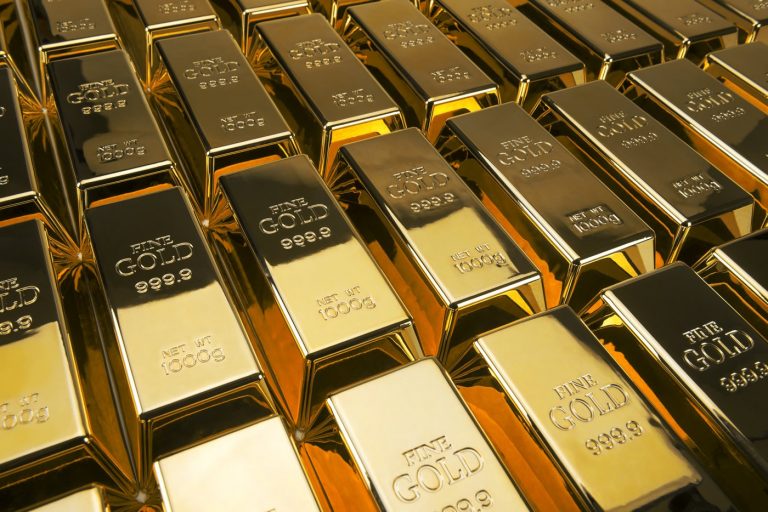
Gold prices climbed on Wednesday, extending gains as easing market stress following the extension of the Iran ceasefire reduced forced selling across asset classes and supported a broader rebound in commodities and equities.
Spot gold rose 0.9% to $4,751.57 per ounce by 1153 GMT, while U.S. gold futures for June delivery gained 1.1% to $4,770.10. The move came as investors recalibrated positions after days of volatility driven by shifting expectations around the conflict between the United States and Iran.
The immediate catalyst was the decision by Donald Trump to extend the ceasefire with Iran to allow further peace talks. The announcement helped ease fears of imminent escalation, but uncertainty remains over whether Iran or Israel, a key U.S. ally in the conflict, will formally accept the extension.
Register for the next Tekedia Mini-MBA.
Register for Tekedia AI in Business Masterclass.
Join Tekedia Capital Syndicate and co-invest in great global startups.
In parallel, risk assets strengthened, and the U.S. dollar softened, creating a supportive backdrop for bullion. Oil markets remained elevated, with prices hovering just under $100 per barrel, as supply disruptions persisted following the continued closure of the Strait of Hormuz, a critical transit route for global crude flows.
Market participants say gold’s latest move is less about fresh demand and more about the unwinding of forced liquidation that had previously weighed on prices during periods of acute volatility.
“Gold seems to be rallying with pretty much all the risk assets right now,” said Nitesh Shah. “When other assets come under pressure, gold has been liquidated, and when that liquidation pressure eases, gold has now got a chance to rise.”

That dynamic reflects a broader shift in positioning across global markets. As volatility moderates, investors are rebuilding exposure to risk assets while simultaneously restoring allocations to traditional hedges such as gold, which had been partially sold to meet margin calls and liquidity needs during the height of geopolitical uncertainty.
Gold is also being pulled in opposite directions by macro forces. Elevated energy prices are sustaining inflationary pressure, which typically supports gold as an inflation hedge. However, persistently high interest rates continue to act as a drag, increasing the opportunity cost of holding non-yielding assets and strengthening the dollar in earlier phases of the cycle.
That tension is now central to pricing across precious metals markets. The geopolitical backdrop remains fluid. Trump’s extension of the ceasefire has reduced immediate tail-risk scenarios, but the situation remains unstable. Reports that Iran seized two ships in the Strait of Hormuz on Wednesday highlight the fragility of the current de-escalation and reinforce concerns that maritime supply routes remain exposed to disruption.

Such developments matter directly for inflation expectations. Higher energy prices feed into broader cost structures, potentially complicating central bank policy decisions at a time when monetary authorities are already balancing slowing growth against price stability.
Monetary policy expectations are also evolving. Kevin Warsh, who has been nominated for a Federal Reserve chair role, said he has made no promises regarding interest rate cuts, emphasizing central bank independence during his confirmation process. His comments come as markets increasingly price in policy easing over the next year.
That expectation is a key pillar supporting the medium-term outlook for gold.
“We continue to look for more Fed rate cuts over the next 12 months … we retain our constructive outlook for gold, with a year-end target of $5,900/oz, driven by lower interest rates and a weaker U.S. dollar,” said Giovanni Staunovo.
The forecast underscores the sensitivity of gold to real yields and dollar direction. Lower rates reduce the opportunity cost of holding bullion, while a weaker dollar enhances its attractiveness for non-U.S. investors, effectively amplifying demand on a global basis.
Beyond gold, the broader precious metals complex also advanced. Spot silver rose 1.8% to $78.10 per ounce, platinum gained 1.8% to $2,073.46, and palladium climbed 1.9% to $1,561.95. The synchronized movement across metals suggests a broad-based rotation into hard assets rather than a narrow, gold-specific rally.
The macro backdrop remains unusually layered. Equity markets are stabilizing on expectations that the geopolitical shock will remain contained, while commodities continue to reflect physical supply constraints and inflationary pressures tied to energy. Gold is effectively trading at the intersection of those forces: part macro hedge, part liquidity indicator, and part sentiment barometer.
The key market signal is not a return to normalization, but a transition phase. Risk appetite is recovering, but hedging demand has not disappeared. Investors are simultaneously reducing extreme downside pricing while maintaining protection against unresolved geopolitical and inflation risks.
In that environment, gold is behaving less like a crisis asset and more like a recalibration instrument, tracking the market’s shifting assumptions about war duration, monetary easing, and the durability of global supply chains under continued stress.