

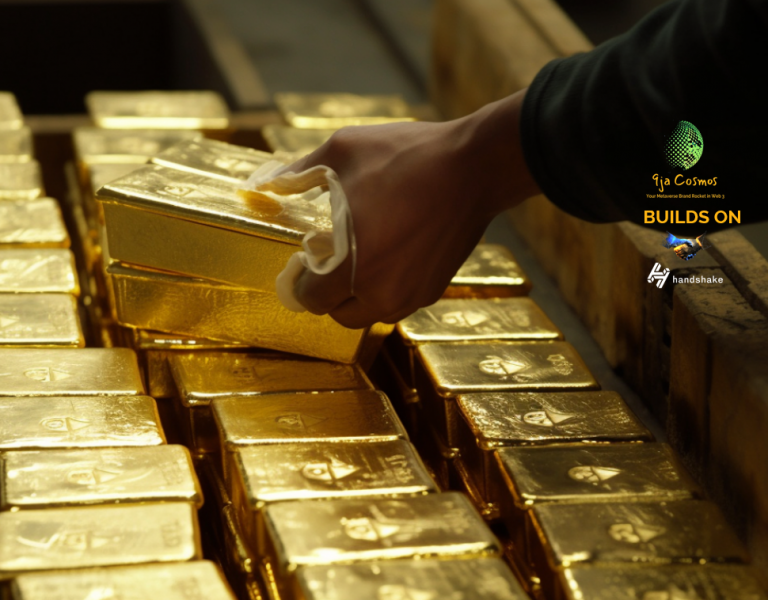
Gold prices held nearly steady on Thursday after touching a six-month low, as a softer-than-expected U.S. jobs report provided some support for the precious metal.
However, persistent inflationary pressures and renewed Middle East tensions kept overall sentiment cautious ahead of next week’s Federal Reserve meeting under new Chair Kevin Warsh.
Spot gold was little changed at $4,076.88 per ounce by mid-morning U.S. trading, after dipping to its lowest level since November 21 earlier in the session. U.S. gold futures for August delivery fell 0.9% to $4,097.10. The metal has faced sustained pressure since the U.S.-Israeli conflict with Iran erupted in late February. Rising oil prices have fueled expectations of prolonged higher interest rates, which raise the opportunity cost of holding non-yielding assets like gold.
Register for the next Tekedia Mini-MBA.
Register for Tekedia AI in Business Masterclass.
Join Tekedia Capital Syndicate and co-invest in great global startups.
While gold is traditionally viewed as an inflation hedge, the combination of elevated rates and a stronger dollar has weighed heavily on its performance.
David Meger, director of alternative investments and trading at High Ridge Futures, highlighted the conflicting forces at play.
“A weaker jobs market at this point would be supportive of gold prices. But we saw inflation data both yesterday and today showing that inflationary pressures continue to rise; the potential for higher interest rates has been supporting the dollar and pressuring the gold market,” he said.

Inflation and Labor Data Fuel Rate-Hike Expectations
U.S. producer prices rose more than expected in May, with the annual wholesale inflation rate hitting 6.5%. This followed Wednesday’s consumer price report, which showed inflation climbing at its fastest pace in three years, driven largely by surging energy costs tied to the Iran war.
Weekly jobless claims for the week ended June 6 rose to 229,000, topping Reuters forecasts of 219,000. While still indicating a relatively resilient labor market, the uptick offered some relief to gold bulls hoping for signs of cooling that might temper Fed hawkishness.
Bond yields were largely steady after the hotter-than-expected wholesale inflation print. The benchmark 10-year Treasury note yield was flat at 4.548%, the 2-year gained 3 basis points to 4.158%, and the 30-year held near 5.02%. The dollar remained firm, reflecting expectations of tighter monetary policy.

Clark Bellin, investment chief at Bellwether Wealth, said the data reinforces a hawkish tilt.
“Thursday’s elevated PPI print is yet another data point that could push the Federal Reserve to hike interest rates, as it’s clear that all of the main measures of inflation are flashing red,” he said.
Markets are now pricing in a roughly 69% chance of a quarter-point rate hike by December, according to the CME Group’s FedWatch tool. This marks a notable shift from earlier expectations of easing under Warsh, who has previously signaled openness to lower rates but now faces a more complicated inflation backdrop.
Oil prices spiked back above $90 per barrel after President Trump threatened further military action against Iran, including the potential seizure of its oil infrastructure. In a Truth Social post, Trump warned of striking “VERY HARD TONIGHT.” Brent crude and WTI both rose sharply in response, underpinning how quickly geopolitical flare-ups can transmit inflation risks through energy costs.
Iran has announced total closure of the Strait of Hormuz, with the U.S. responding that Washington is in charge of the transit point. The latest development is expected to keep global energy supplies tight and contribute to the recent inflation surge. Even as some diplomatic efforts continue, the risk of prolonged disruption remains a key variable for markets.
The Implications Keep Widening
The combination of resilient labor data and sticky inflation puts the Federal Reserve in a challenging position as it prepares for its first meeting under Warsh next week. The central bank has held rates steady at 3.5%-3.75% since late last year, aiming for its 2% target. Persistent energy-driven price pressures could force a more hawkish stance, delaying anticipated cuts and supporting the dollar while pressuring risk assets.
Consumer sentiment has already deteriorated. The University of Michigan’s index has fallen for three consecutive months to historic lows, while a New York Fed survey showed households growing more pessimistic about inflation, job prospects, and layoff risks. Higher gasoline prices ($4.15 nationally, per AAA) and airline fares (up 26.7% annually) are squeezing household budgets heading into the summer season.
For the Trump administration, the inflation spike presents a messaging challenge. While the White House described the figures as “at-expectation” and pointed to declines in certain categories like prescription drugs and insurance, the energy component tied to the Iran conflict remains the dominant driver. Trump has continued to advocate for lower rates, telling reporters he does not view current fuel prices as particularly high “relatively speaking.”
Goldman Sachs economists said on Friday they no longer expect any Fed rate cuts this year, projecting rates will remain unchanged through 2026. JP Morgan Global Research has gone further, forecasting potential hikes by 2027 as the energy shock and labor market strength sustain inflationary momentum.
Looking ahead, gold’s muted reaction reflects the tug-of-war between supportive factors (softer jobs data, geopolitical safe-haven demand) and headwinds (higher yields, stronger dollar, and persistent inflation expectations). Analysts expect the metal’s performance to remain range-bound until there is greater clarity on the trajectory of the Middle East conflict and the Fed’s response.
In the near term, any de-escalation in the U.S.-Iran conflict could ease energy prices and provide relief to gold and risk assets. However, the current environment rewards caution, with gold retaining its role as a partial hedge even as higher rates limit its upside.