

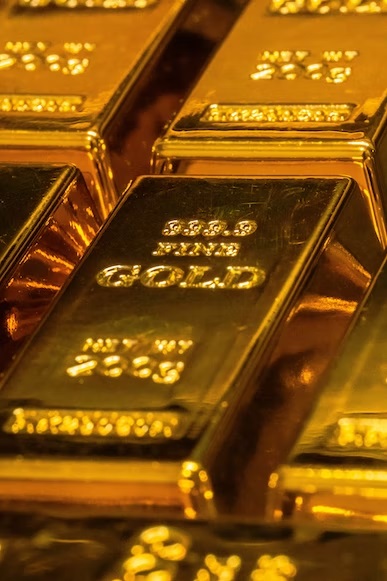
Gold reaching $3,560 reflects its appeal as a safe-haven asset amid economic uncertainty, likely driven by factors like geopolitical tensions or inflation fears, as seen in recent market trends.
The retreat in global government bond yields from recent highs, such as the U.S. 10-year Treasury yield easing to 4.22% on September 3, 2025, suggests a pause in the bond market sell-off, possibly due to expectations of central bank rate cuts or stabilizing economic data.
Central bank policies, such as interest rate decisions, quantitative easing, or tightening, have profound implications for economies, markets, and individuals. Given your mention of gold prices at $3,560 and retreating global bond yields.
Implications of Central Bank Policies
When central banks like the Federal Reserve or ECB raise rates to combat inflation, borrowing costs increase, slowing economic activity. This typically strengthens currencies (e.g., USD) but pressures equities and non-yielding assets like gold, as seen in gold’s recent pullback from $3,560. Higher rates also push bond yields up, as observed earlier this week before the retreat.
Register for Tekedia Mini-MBA edition 20 (June 8 – Sept 5, 2026).
Register for Tekedia AI in Business Masterclass.
Join Tekedia Capital Syndicate and co-invest in great global startups.
Register for Tekedia AI Lab.
Rate cuts, often used to stimulate growth during slowdowns, reduce bond yields, making non-yielding assets like gold more attractive. The recent easing of global bond yields (e.g., U.S. 10-year at 4.22% on September 3) suggests markets anticipate looser policy, potentially from expected Fed rate cuts in 2025, boosting gold’s appeal.
Tight policy curbs inflation but risks recession, while loose policy fuels growth but may reignite inflation. For example, markets expect a 25-50 basis point Fed cut by late 2025, per recent analyses, influencing asset prices. Central banks purchasing bonds injects liquidity, lowering yields and supporting equities and commodities like gold. This was evident during post-2020 recovery phases, driving gold to highs.
Selling bonds or reducing balance sheets, as the Fed has done since 2022, tightens liquidity, raising yields and pressuring risk assets. The recent bond yield retreat may reflect pauses in aggressive tightening. QE supports asset bubbles, while QT can trigger market corrections, affecting investor confidence and portfolio allocations.
Tightening strengthens currencies (e.g., USD under Fed hikes), making gold, priced in dollars, cheaper for non-USD holders, potentially increasing demand. Conversely, rate cuts weaken currencies, raising gold prices, as seen in its $3,560 peak.

Currency fluctuations influence trade balances and global investment flows, with emerging markets sensitive to USD strength. Tight policies aim to curb inflation, which remains a concern with U.S. CPI at 2.9% in July 2025. This reduces purchasing power but supports gold as an inflation hedge.
Loose policies risk overheating economies, spurring inflation, which further drives gold demand. Persistent inflation erodes real wages, while deflationary pressures from overtightening could trigger economic stagnation.
Impacts on Key Stakeholders
High rates increase borrowing costs for firms, compressing valuations, especially for tech stocks. Rate cuts could spark rallies, as seen in 2023 post-Fed pauses. Rising rates lower bond prices, while falling yields (as recently observed) boost bond values, benefiting fixed-income investors.

Gold thrives in low-yield, high-uncertainty environments. Its $3,560 peak reflects bets on rate cuts or geopolitical risks, per recent X posts. Tight policy often hurts speculative assets like Bitcoin, while easing supports them, though volatility persists.
Higher rates raise borrowing costs, squeezing margins for debt-heavy firms, especially in real estate or tech. Rate cuts would ease financing, spurring investment. Tightening reduces consumer spending, hitting retail and discretionary sectors, while loose policy boosts demand.
High rates increase mortgage and loan costs, reducing disposable income. U.S. 30-year mortgage rates near 7% in 2025 strain housing affordability. Rate cuts lower borrowing costs but may fuel inflation, eroding savings unless wages keep pace (U.S. wage growth ~3.5% in 2025).
Rising yields increase debt servicing costs for governments. The U.S. debt-to-GDP ratio, over 120% in 2025, faces pressure from high yields. Loose policy allows cheaper borrowing but risks currency depreciation and imported inflation for smaller economies.
Divergent policies (e.g., Fed tightening vs. ECB/BoJ easing) create currency volatility, impacting trade. Emerging markets face capital outflows during USD strength. Synchronized rate cuts, as hinted by recent yield retreats, could stabilize global growth but risk coordinated inflation spikes.
Gold and Bond Yields
Central bank signals of potential rate cuts (e.g., Fed’s 50% chance of a 50-bp cut by Q4 2025, per market data) and geopolitical risks (e.g., Middle East tensions) drive gold’s rally. Its pullback aligns with short-term yield spikes or profit-taking.
The drop from recent highs (e.g., U.S. 10-year at 4.22%) suggests markets pricing in slower growth or policy easing. This supports gold’s safe-haven status and reflects expectations of central banks like the Fed or ECB pausing aggressive hikes.
Central bank policies shape asset prices, economic growth, and inflation dynamics. The recent gold surge and bond yield retreat reflect market bets on looser policy amid slowing growth signals. Investors should monitor central bank statements, jobs data, and geopolitical developments, as these will drive gold, bonds, and broader markets.
Gold’s pullback could be tied to profit-taking or rising yields earlier in the week, which often pressure non-yielding assets like gold. Keep an eye on upcoming U.S. jobs data and Federal Reserve signals, as they could further influence both gold prices and bond yields.