

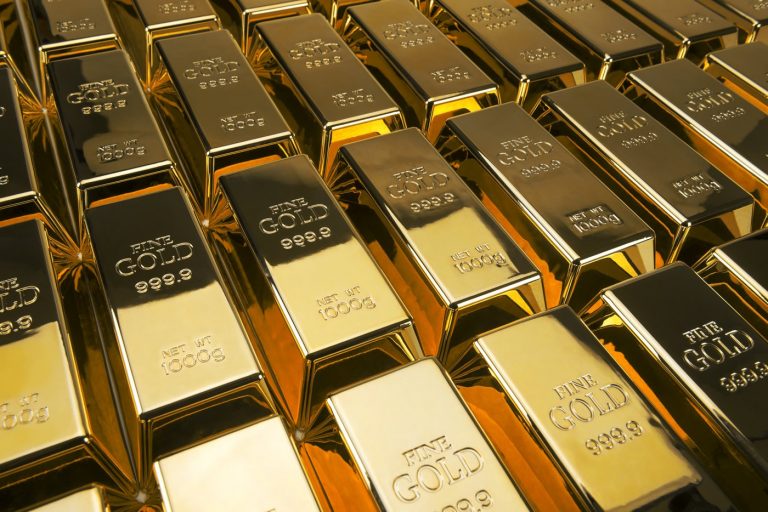
Gold prices rose nearly 3% on Friday, recovering from a more than one-year low as a pause in the US dollar’s rally and stabilization in global equity markets encouraged investors to return to bullion.
Spot gold gained 2.9% to $3,670.69 per ounce by 0835 GMT, after falling to its lowest level since August 2025 on Wednesday. US gold futures for December delivery advanced 3.9% to $3,669.30.
The recovery followed several sessions of losses during which pressure on technology stocks and other risk assets forced some investors to sell gold holdings to raise cash and cover losses elsewhere in their portfolios.
Register for the next Tekedia Mini-MBA.
Register for Tekedia AI in Business Masterclass.
Join Tekedia Capital Syndicate and co-invest in great global startups.
“After days of declines, buyers returned to the market. Technology and AI stocks seem to have stabilized after the recent selloff, which is positive for gold because the market rout had forced some investors to liquidate bullion positions to raise cash and cover losses in other positions,” said Carlo Alberto De Casa, external analyst for Swissquote.
The rebound suggests that some of the recent selling pressure came from investors managing liquidity needs rather than a broad deterioration in demand for gold as a store of value. As equity markets steadied, bullion attracted renewed buying.
De Casa said he did not expect gold to return easily to $5,000 per ounce but saw a reasonable prospect of prices recovering to between $4,000 and $4,200.

Dollar Weakness Offers Support as Rate Outlook Weighs on Gold
The US dollar eased after reaching a 22-month high earlier in the week, providing another source of support for bullion. Because gold is priced in dollars, a weaker US currency makes the metal less expensive for buyers using other currencies, potentially supporting international demand.
Equity markets also stabilized towards the end of a difficult month, with reduced trading activity around a US holiday offering some relief from concerns about technology and artificial intelligence valuations.
However, the outlook for US monetary policy remains a significant constraint on gold’s recovery.

Data released on Wednesday showed that the US economy expanded much faster than initially estimated in the third quarter, while inflation accelerated in October. The figures reinforced expectations that the Federal Reserve could raise interest rates next month and again in early 2027.
Higher interest rates generally reduce gold’s appeal because the metal does not generate interest or dividends. As yields on interest-bearing assets rise, investors face a higher opportunity cost when holding bullion.
This creates a tension for gold prices. A weaker dollar and renewed demand can support the market, but expectations of tighter monetary policy could limit the scale of any sustained recovery.
Asian Physical Demand Improves as Other Precious Metals Rally
Physical gold demand also showed signs of improvement in key Asian markets. Jewelry and investment buying picked up in India during the week, while strong retail purchases in China helped keep local premiums firm.
The improvement in physical demand provides an additional source of support beyond financial-market trading, particularly after the recent price decline.
Other precious metals also recorded strong gains on Friday. Spot silver climbed 6.6% to $44.25 per ounce, platinum rose 5.4% to $1,360.82, and palladium advanced 4.6% to $913.07. All three metals were on track to record weekly gains.
The simultaneous recovery across precious metals points to renewed buying after the recent market weakness, although the forces affecting each metal differ.
However, analysts still believe that gold’s immediate direction is partly tied to the interaction between currency movements, investor demand, and expectations for Federal Reserve policy. While Friday’s rebound has lifted prices from their lowest level since August 2025, the prospect of further US rate increases remains a challenge for a market that has recently experienced substantial selling pressure.