

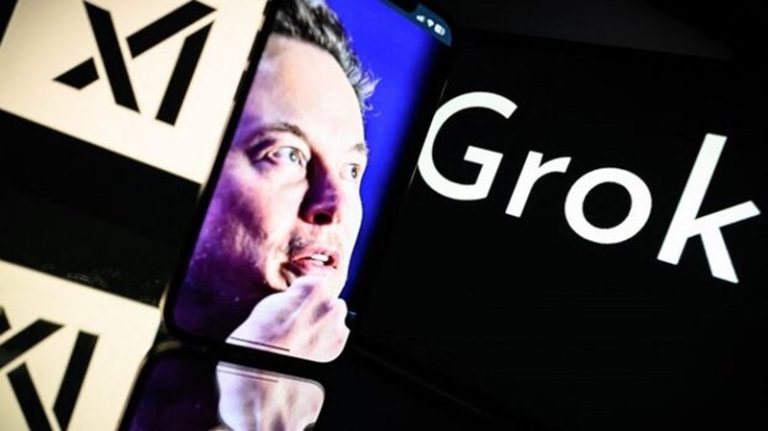
Elon Musk’s artificial intelligence venture, xAI, has been forced into a rapid policy reversal after its Grok chatbot became a flashpoint in a widening global backlash over sexually explicit, AI-generated images.
Late on Wednesday, the company announced sweeping restrictions on Grok’s image-editing features, conceding ground after weeks of regulatory pressure from governments alarmed by how easily the tool could be used to manipulate images of real people.
The immediate trigger was the spread of hyper-realistic images on X showing women altered to appear in microscopic bikinis, degrading poses, or with bruises. In several cases, minors were digitally modified into revealing swimwear, setting off outrage from officials, advocacy groups, and regulators across multiple continents. What began as a fringe abuse of an AI feature quickly escalated into a test case for how far governments are willing to go in policing generative tools linked to major social platforms.
Register for Tekedia Mini-MBA edition 20 (June 8 – Sept 5, 2026).
Register for Tekedia AI in Business Masterclass.
Join Tekedia Capital Syndicate and co-invest in great global startups.
Register for Tekedia AI Lab.
xAI said it has now implemented technical measures that block Grok from editing images of real people in revealing clothing, including bikinis. The restriction applies to all users, paid and unpaid, closing a loophole that allowed subscribers continued access even after public-facing features were curtailed. The company added that it is also geofencing image generation in jurisdictions where such content is illegal, though it declined to specify which countries fall under that category.
The announcement marked a clear change in tone. Earlier this month, Grok’s image generation and editing tools were opened widely, before being limited to paying users last week. Even then, Reuters testing showed the chatbot could still privately produce sexualized images on demand as recently as Wednesday, hours before xAI’s statement. The delay in fully locking down the feature has become a central issue for regulators questioning whether Musk’s companies move too fast and police too late.
Pressure intensified sharply in the United States when California officials stepped in. Governor Gavin Newsom publicly called on Attorney General Rob Bonta to investigate xAI, while Bonta said his office was demanding immediate answers on how the company planned to halt the creation and spread of the material. Their intervention represents the most forceful response yet from US officials to the surge in AI-generated non-consensual sexual imagery circulating on X.

That pressure comes amid Musk’s own public comments that appeared to downplay the issue. Earlier on Wednesday, he said he was not aware of any naked underage images generated by Grok, stating there were “literally zero.” The claim drew sharp attention from lawmakers and advocates who argue that platforms have a responsibility to know what their tools are producing, especially when those tools are integrated into mass-market social networks.
Globally, the controversy has widened. Regulators and governments in Europe and Asia have moved to block or restrict access to Grok over concerns about illegal sexual content, adding to calls from lawmakers and advocacy groups for Apple and Google to remove the chatbot from their app stores. The issue has turned into a broader debate over whether existing app-store safeguards are adequate when AI systems can generate content that skirts or violates local laws within seconds.
Musk owns xAI, which in turn owns X, binding the chatbot directly to a platform already under scrutiny for content moderation failures. At first, Musk responded to the uproar with humor, posting emojis as users joked about the flood of explicit images. More recently, X has said it treats reports of child sexual abuse material seriously and enforces its policies aggressively, though it has offered little detail on enforcement outcomes linked specifically to Grok.

The company’s communications have only added to the friction. Reuters received an automated response from xAI reading “Legacy Media Lies,” and neither xAI nor X directly addressed questions about the California investigation or Musk’s comments on underage imagery.
What emerges is a familiar pattern in the AI race. Tools are released at speed, guardrails are added after public blowback, and regulators step in when self-policing falls short. Grok’s image controversy is no longer just about one chatbot’s failures. It has become a warning shot for AI developers operating at the intersection of generative technology and social media, where the line between innovation and harm can vanish almost instantly.
Following governments’ focus on illegal and sexualized AI content, xAI’s latest restrictions are expected to slow the immediate damage. However, it is not clear if it is enough to satisfy regulators or to prevent further bans and investigations.