

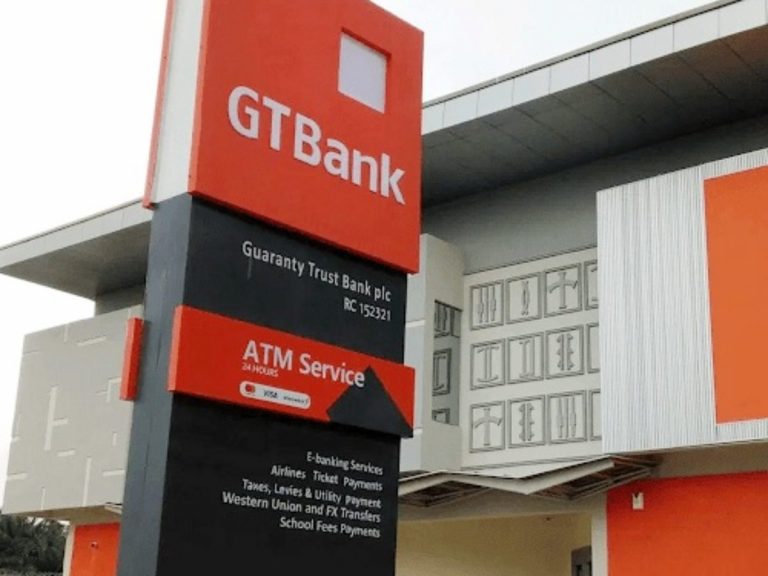
GTCO Holdings, the parent company of Guaranty Trust Bank, is set to begin trading all its ordinary shares on the London Stock Exchange (LSE) by 8:00 a.m. on July 9, becoming the first Nigerian banking group to achieve a full direct listing on the UK bourse.
This milestone marks a strategic shift from its Global Depositary Receipts (GDR) programme, as the group launches a fresh public offering to raise approximately $100 million in capital through an accelerated bookbuild managed by Citigroup.
The equity raise, which commenced on July 2 and runs through July 31, is aimed at bolstering the group’s capital base, particularly to meet the Central Bank of Nigeria’s N500 billion minimum capital requirement for banks with international licenses. With an exchange rate of about N1,540 to the dollar, the targeted sum equals roughly N154 billion.
Register for Tekedia Mini-MBA edition 20 (June 8 – Sept 5, 2026).
Register for Tekedia AI in Business Masterclass.
Join Tekedia Capital Syndicate and co-invest in great global startups.
Register for Tekedia AI Lab.
From GDRs to Full Equity Listing
In a regulatory disclosure filed with the LSE, GTCO said it will cancel its existing GDRs and instead list its entire ordinary share capital under a secondary listing in the equity shares category for international commercial companies on the FCA’s Official List. The GDR delisting will take effect on July 30, 2025, giving existing holders over a year to convert their receipts into depositary interests (DIs).
Under the new structure, the group’s shares will initially trade in U.S. dollars under the ticker symbol “GTHC.” GTCO plans to revert to its traditional “GTCO” symbol once the GDR programme is formally wound down.
GTCO began trading GDRs on the LSE in 2007, with one GDR representing 50 ordinary shares. Now, with the dual listing, it joins a growing list of Nigerian companies such as Seplat Energy and Airtel Africa that have shifted to direct listings to improve visibility and attract a wider investor base.

Offer Details and Investor Strategy
The $100 million capital raise is being executed via an accelerated bookbuild—a fast-track equity offering mechanism that targets qualified and institutional investors in the UK, U.S., and other jurisdictions. Citigroup is acting as the sole global coordinator and bookrunner for the transaction. GTCO is aiming for a free float of 99% of its issued and to-be-issued shares following the listing.
The final offer price and number of shares to be issued will be announced following the bookbuild close, which occurred on July 3. The company’s prospectus is expected to be published on July 4. CREST accounts will be credited with the corresponding DIs, and applicable share certificates will be dispatched the same day trading begins—July 9.
GTCO is allowing GDR holders to exchange their receipts for DIs starting July 9, with a submission deadline of July 23. By July 30, the group will complete the delisting process and issue any outstanding DIs to valid requesters.

Local Listing and Market Implications
GTCO emphasized that its domestic listing remains unaffected. The group’s shares will continue to trade in Nigerian Naira on the Nigerian Exchange Limited (NGX) under the symbol “GTCO.” Following the London listing, shares are expected to be transferable between the NGX and LSE, provided regulatory and procedural requirements are met.
The move comes as Nigerian banks race to meet new capital thresholds set by the Central Bank of Nigeria (CBN). Zenith Bank and Access Holdings have already exceeded the N500 billion requirement. For GTCO, the fresh capital injection will primarily recapitalize GTBank Nigeria, enabling it to retain its international banking license.
Industry analysts say the listing aligns with GTCO’s broader efforts to diversify its investor base, enhance liquidity, and signal global readiness. It also marks a turning point for Nigerian financial institutions seeking stronger global footprints amid rising regulatory standards and competitive pressures in the domestic market.
GTCO’s decision to bypass its GDR framework in favor of full ordinary share admission mirrors trends seen in other emerging markets, where dual listings and cross-border capital raising are becoming more vital as firms pursue deeper integration with international markets.