

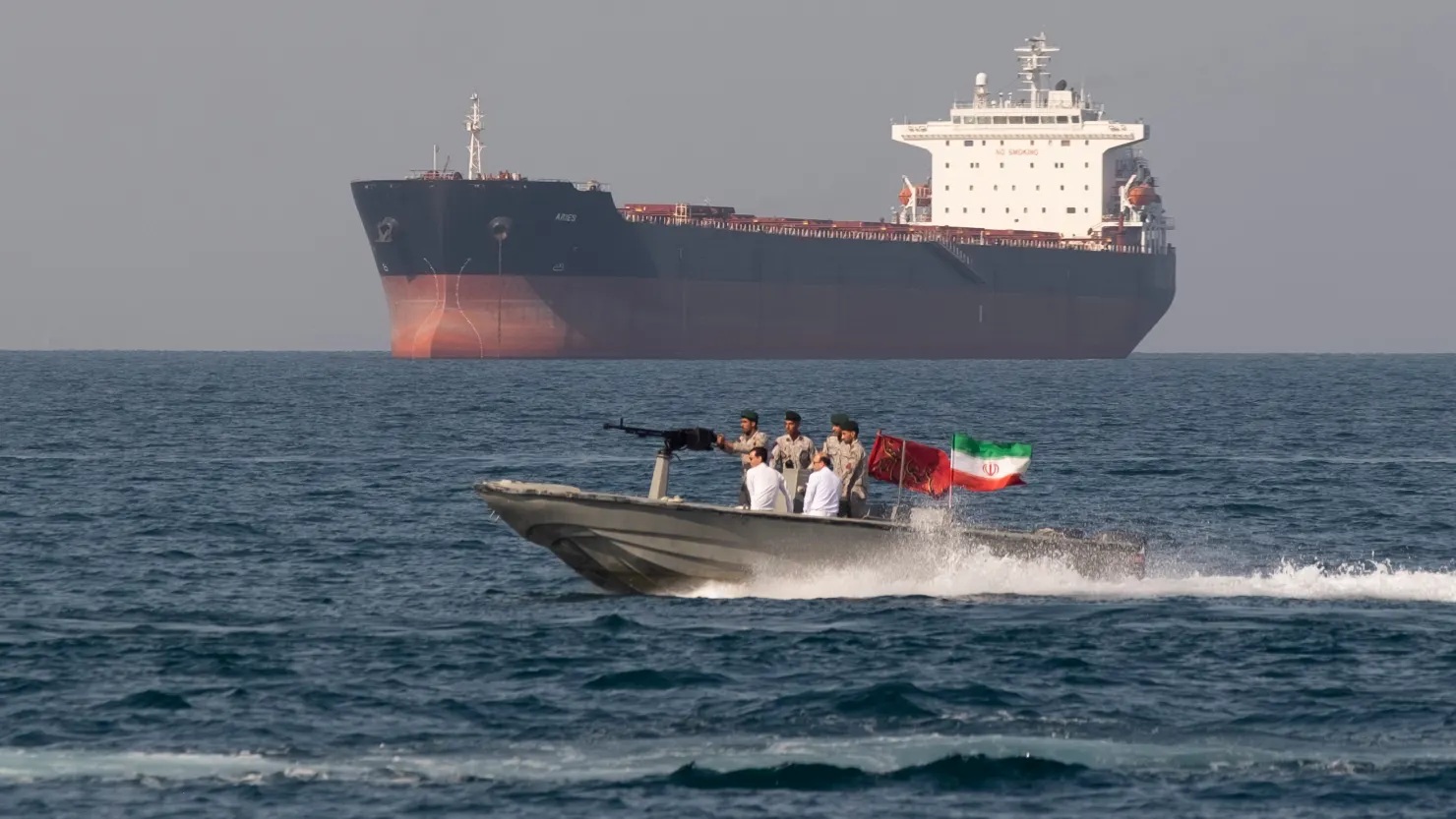
Most major Gulf stock markets closed lower on Sunday as renewed security concerns in the Middle East overshadowed tentative signs of stability in regional energy flows, highlighting how fragile investor confidence remains even after the resumption of some shipping activity through the Strait of Hormuz.
Fresh drone incidents, uncertainty surrounding U.S.-Iran peace efforts and fears of renewed escalation weighed on sentiment across regional bourses, offsetting relief after the first Qatari liquefied natural gas tanker successfully crossed the Strait of Hormuz since the conflict erupted.
The tanker crossing was viewed by traders as an important signal that critical energy exports from the Gulf may gradually normalize after weeks of disruption that rattled global energy markets and raised fears of a wider supply shock.
Register for the next Tekedia Mini-MBA.
Register for Tekedia AI in Business Masterclass.
Join Tekedia Capital Syndicate and co-invest in great global startups.
Still, investors appeared unconvinced that the situation had stabilized. The renewed caution came after Kuwait reported hostile drones entering its airspace, while the United Arab Emirates cited fresh attacks linked to Iran following weeks of relative calm under a ceasefire framework previously announced by Washington.
The incidents stoked concerns that the conflict remains highly volatile and that any renewed escalation could once again threaten one of the world’s most strategically important energy corridors. The Strait of Hormuz handles roughly a fifth of global oil consumption and a significant share of the world’s LNG trade. Any disruption to the narrow waterway immediately reverberates through global commodity markets, shipping routes, and inflation expectations.
Markets across the Gulf have been swinging sharply in recent weeks as investors attempt to gauge whether the region is moving toward de-escalation or drifting back toward confrontation.

In Qatar, the benchmark index fell 0.5%, dragged lower by weakness in the financial sector. Qatar National Bank, the Gulf region’s largest lender, dropped 1.5% as banking stocks remained under pressure from geopolitical uncertainty and concerns over regional liquidity conditions should tensions worsen further.
Kuwait’s main share index also declined 0.5%, while Bahrain’s benchmark slipped 0.4%, underscoring broader regional caution.
The declines suggest investors are increasingly pricing in the economic risks associated with prolonged instability, including higher insurance costs, supply-chain disruptions, weaker tourism flows, and the possibility of sustained energy-market volatility.

Analysts say Gulf markets are particularly sensitive to geopolitical shocks because of the region’s central role in global oil and gas exports.
Although elevated oil prices generally support fiscal revenues for Gulf producers, persistent instability can simultaneously undermine investor appetite, delay capital inflows, and pressure non-oil sectors such as real estate, banking, and consumer spending.
However, Saudi Arabia stood out as the region’s exception. The kingdom’s benchmark Tadawul index rose 0.8%, supported by gains in banking and energy shares. Al Rajhi Bank climbed 1.7%, while state oil giant Saudi Aramco advanced 0.8% after reporting a 25% increase in first-quarter profit.
Aramco’s earnings highlighted how the conflict has reshaped regional energy logistics. The company said its East-West pipeline operated at full capacity as Saudi Arabia moved crude exports away from the Strait of Hormuz to reduce exposure to disruptions linked to the U.S.-Iran conflict.
The East-West pipeline, which transports crude from the kingdom’s oil fields to Red Sea export terminals, has become increasingly important as Gulf producers seek alternative export routes that bypass Hormuz. That infrastructure advantage helped reassure investors that Saudi Arabia retains greater flexibility than some neighboring producers in managing supply disruptions.
Outside the Gulf, Egypt’s market outperformed regional peers. The benchmark EGX30 index rose 1.9%, with most major stocks ending in positive territory. Commercial International Bank gained 1.3% as investors reacted positively to news that Egypt would receive additional financial support from the World Bank.
Stephane Guimbert, the World Bank’s director for Egypt, Yemen, and Djibouti, said Cairo would receive an extra $300 million to help manage the economic fallout from the Iran conflict.
The additional financing underscores growing concern among international institutions about the broader regional economic consequences of the war, particularly for import-dependent economies already grappling with inflationary pressure and fragile foreign currency reserves.
Egypt has been especially vulnerable to rising energy prices and disruptions in maritime trade routes through the Red Sea and Suez Canal.
The market reaction across the region also reflected the growing disconnect between energy optimism and geopolitical anxiety. While fears of a complete shutdown in Hormuz have eased some panic in oil markets, investors remain wary that sporadic attacks, drone incidents, or failed diplomacy could rapidly reverse sentiment.
The uncertainty surrounding U.S.-Iran negotiations continues to loom heavily over Gulf assets. Although Washington and Tehran have signaled intermittent progress toward a broader understanding, neither side has secured a durable agreement, and recent security incidents have reinforced skepticism among traders about the sustainability of the ceasefire.
For Gulf investors, the immediate concern is no longer simply whether oil exports can continue flowing, but whether the region is entering a prolonged period of low-intensity instability that could weigh on economic activity and financial markets for months. That risk calculus is increasingly shaping trading behavior across the Middle East, even as energy infrastructure proves more resilient than many initially feared.