

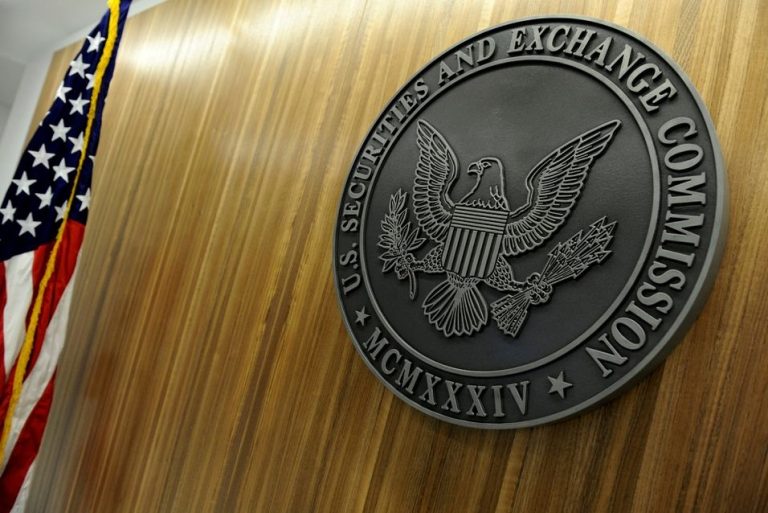
A U.S. federal judge has declined to immediately approve the proposed settlement between Elon Musk and the U.S. Securities and Exchange Commission, signaling that the agreement will face closer scrutiny over how it was negotiated and whether it adequately serves the public interest.
U.S. District Judge Sparkle Sooknanan ruled Friday that she needs additional information before deciding whether to endorse the $1.5 million civil settlement tied to Musk’s delayed disclosure of his initial stake in Twitter in 2022.
The case stems from allegations that Musk waited 11 days beyond the regulatory deadline to disclose he had accumulated a 5% stake in Twitter, a delay that the SEC says allowed him to purchase additional shares at artificially depressed prices. By the time he disclosed a 9.2% stake in April 2022, regulators estimate he had saved roughly $150 million.
Register for the next Tekedia Mini-MBA.
Register for Tekedia AI in Business Masterclass.
Join Tekedia Capital Syndicate and co-invest in great global startups.
Musk completed his $44 billion acquisition of Twitter later that year, rebranding the platform as X.
In her ruling, Sooknanan said she must assess whether the proposed deal is fair, consistent with the public interest, and free from “improper collusion or corruption.” She also ordered both parties to appear in court on May 13 to outline a briefing schedule supporting the settlement.
The decision introduces uncertainty into what had appeared to be a relatively straightforward resolution of a long-running regulatory dispute between Musk and the SEC. The settlement, as currently structured, does not require Musk to admit wrongdoing or return any of the estimated $150 million in gains the SEC attributes to the delayed disclosure. A trust in Musk’s name would pay the $1.5 million penalty, a comparatively small sum relative to his estimated wealth.

The SEC filed the lawsuit in January 2025, just days before the end of the Biden administration, alleging violations of disclosure rules governing significant equity stakes in publicly traded companies. Musk has repeatedly argued that the case was politically motivated, a claim that reflects his increasingly adversarial relationship with U.S. financial regulators over the past decade.
The dispute is part of a broader pattern of regulatory friction involving Musk, who has previously clashed with the SEC over his use of social media to discuss Tesla-related matters and over earlier allegations of securities fraud tied to his 2018 “funding secured” tweet regarding Tesla.
That earlier case ended in a settlement requiring Musk to pay fines and step down as Tesla chairman, but it did not resolve broader tensions over disclosure practices and market communication.

Friday’s ruling suggests the court is unwilling to treat the current settlement as a routine enforcement closure, particularly given the high-profile nature of the defendant and the SEC’s decision-making process. The judge’s reference to potential “improper collusion or corruption” is notable in regulatory litigation, where courts typically defer to negotiated settlements between agencies and defendants unless there are clear procedural or substantive concerns.
The timing of the SEC lawsuit has also drawn attention. It was filed shortly before a transition in the White House, and Musk has since developed a closer relationship with Republican President Donald Trump, under whose administration, SEC enforcement priorities have shifted toward a narrower focus. Current SEC leadership under Chairman Paul Atkins has signaled a recalibration of enforcement strategy, with reduced emphasis on certain disclosure and corporate governance cases compared with previous years.
The settlement discussions emerged in March, shortly after a senior SEC enforcement official left the agency, a departure that added to speculation about internal disagreements over enforcement direction.
Legal observers say the court’s intervention is unusual but not unprecedented in cases where settlements involve high-profile defendants or raise questions about deterrence and regulatory consistency.
At issue is not only the financial penalty, but also whether the resolution meaningfully reinforces disclosure obligations for major shareholders in publicly traded companies. The case also intersects with Musk’s broader corporate footprint, which now spans multiple major companies, including Tesla, SpaceX, and X, giving him an outsized influence across both financial markets and public communications.
The court’s next hearing on May 13 will determine whether the settlement proceeds are revised or face further judicial scrutiny, extending a regulatory dispute that has followed Musk across multiple administrations and corporate transitions.