

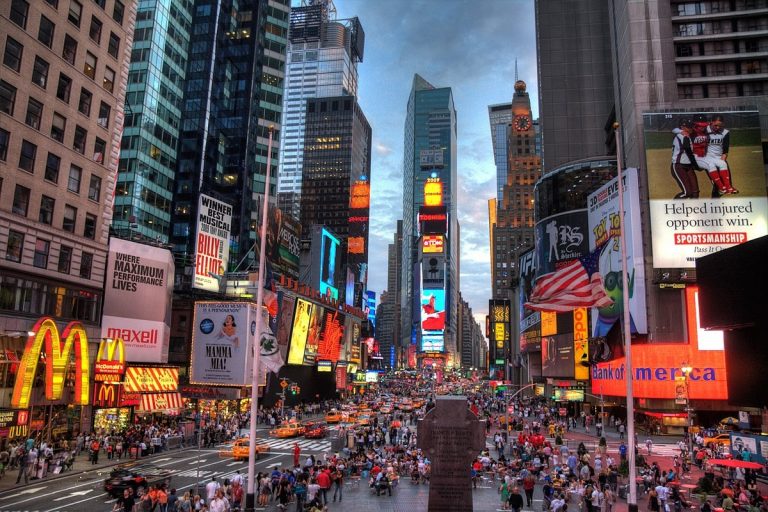
Entertainment now moves easily between physical and digital spaces. People may spend part of their free time streaming, using mobile apps, joining online events, or exploring gaming options such as slotoro, then look for experiences that feel more social and immersive offline. That shift has made physical entertainment districts more focused on atmosphere, variety, and shared experiences, combining restaurants, live shows, nightlife, public spaces, and major attractions. Broadway, London’s West End, and the Las Vegas Strip show how cities continue to build distinctive leisure districts even as more entertainment moves online.
What Makes an Entertainment District Work
An entertainment district is usually a compact area where several leisure activities sit close together. A visitor might have dinner, attend a show, stop at a bar, and walk to another venue without crossing the city.
Density matters because each venue can support the others. A concert hall brings people into the area before and after a performance, restaurants benefit from those crowds, and late-night venues extend the visit. Hotels, taxis, public transport, and nearby shops can gain from the additional foot traffic.
Broadway is a clear example. Its theaters are surrounded by restaurants, hotels, transport links, and other attractions. The West End follows a similar pattern, combining theater, shopping, dining, and nightlife within a walkable central area.
The Economic Role of Urban Entertainment
Entertainment can become an important part of a city’s economy, especially when it attracts visitors who spend beyond the main venue. A concert ticket, for example, may also lead to spending on dinner, transport, accommodation, and shopping.
Entertainment districts can support jobs in hospitality, security, cleaning, transport, retail, events, and venue management. They may also encourage private investment when businesses expect reliable evening and weekend foot traffic.
| Economic Factor | Direct Effect | Wider Urban Impact |
| Visitor spending | Revenue for venues, restaurants, and shops | Supports nearby hotels, transport, and retail |
| Employment | Jobs in hospitality, events, security, and services | Increases local household spending |
| Business investment | New venues and commercial activity | Can stimulate redevelopment of surrounding streets |
| Property demand | Greater interest in central entertainment areas | May raise rents and development pressure |
| Tax revenue | Income from businesses and visitor activity | Can support transport, public space, and local services |
The benefits are not automatic. A successful district can increase demand for commercial space and nearby housing, but rising rents may also make it harder for independent venues and long-term residents to remain. Cities therefore have to balance several goals:
- attracting visitors and investment;
- supporting independent businesses;
- keeping streets safe and accessible;
- managing noise and late-night transport;
- protecting housing and neighborhood character.
That balance is why entertainment districts are an urban-planning issue rather than simply a collection of leisure businesses.
Gaming and Nightlife as Urban Anchors
In destinations where casino gaming is a major part of tourism, large gaming venues can act as anchors for wider entertainment zones. The Las Vegas Strip is the clearest example because casinos are integrated with hotels, restaurants, theaters, clubs, shopping, and major events.
The casino itself is only one part of the attraction. Visitors may spend considerable time eating, watching shows, shopping, or attending concerts. This mixed-use model helps the district stay active across different parts of the day.
Gaming is not equally important everywhere, and regulation varies widely. In some cities, nightlife develops around music venues, theaters, sports arenas, or food districts instead. The common factor is the presence of attractions strong enough to draw people into the area and support surrounding businesses.
Online platforms add another layer by changing how people discover leisure brands, compare experiences, and decide where to spend their time. Physical districts still matter because digital entertainment cannot fully reproduce the social experience of a live venue, restaurant, or public event.
Designing Streets for Evening Activity
Good entertainment districts depend heavily on urban design. People are more likely to move between venues when streets feel comfortable, well lit, and easy to navigate.
Walkability is particularly important. Wide pavements, pedestrian crossings, clear signage, and short distances between venues encourage visitors to explore. Public transport also becomes essential late at night, when normal commuting patterns no longer apply. Successful districts often combine:
- reliable public transport during evening hours;
- lighting that improves visibility;
- pedestrian routes connecting major venues;
- clear taxi and ride-pickup areas;
- public spaces where people can gather.
The timing of activity matters too. A district built only around late-night bars may remain quiet during the day, while cafés, shops, restaurants, theaters, and nightlife can attract different groups across a much longer period.
Culture Gives Districts Their Identity
The most memorable entertainment districts usually have something that cannot be copied easily. Local music, food, architecture, performance traditions, independent businesses, and public events can give an area a distinct personality.
That identity matters because purely commercial districts can become interchangeable. Independent theaters, local bars, street performers, markets, and festivals often provide the details people remember.
Success can also create pressure. Higher rents may push out the smaller businesses that helped establish a district’s reputation, so long-term planning needs to consider how to preserve variety while still attracting investment.
When Nightlife Creates Pressure
Entertainment districts can bring energy and economic activity, but they also create practical tensions. Noise, crowds, traffic, litter, and late-night behavior can affect nearby residents, while transport systems and public services may face greater demand.
Cities respond in different ways. Some introduce late-night transport, noise-management rules, pedestrian zones, designated entertainment areas, or licensing conditions for venues. Others use nightlife managers or similar officials to coordinate between businesses, residents, and local authorities.
The Future of Entertainment Districts
Entertainment districts show how leisure can influence the physical structure and reputation of a city. Their success depends on transport, walkability, cultural identity, housing pressures, venue diversity, and local regulation.
Technology will continue to influence how people find entertainment and interact with venues, but physical gathering places remain valuable because they offer something digital platforms cannot fully reproduce: shared atmosphere.
The cities that handle entertainment districts best are not simply those with the most venues. They are the ones that create places people want to return to while keeping those areas distinctive and livable for the communities around them.