

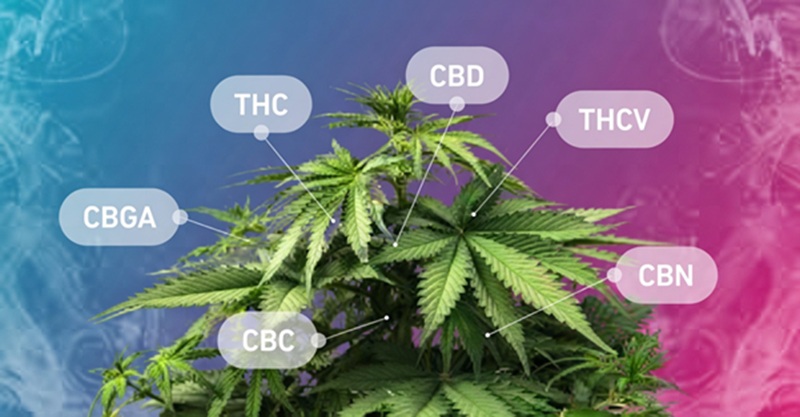
If you’ve ever stood in a dispensary holding a product and trying to make sense of the label, you’re definitely not alone. At first glance, it can feel like too much information packed into a tiny space. But once you understand the basics, it becomes clear that every detail is there for a reason. Learning how to read dispensary labels is less about memorizing terms and more about knowing what actually matters for your experience. Behind the scenes, tools like dispensary pos help ensure that everything on that label is accurate and consistent. Your job is simply to read it the right way.
Let’s break it down in a way that feels practical, not overwhelming.
Why Dispensary Labels Matter More Than You Think
A dispensary label isn’t just a formality or a legal requirement. It’s your main source of information about what you’re about to use. Without it, you’d be relying on guesswork — and with cannabis, that can lead to very different results than expected.
The biggest advantage of labeling is predictability. Cannabis products vary widely in strength and effect. Two items that look similar can feel completely different. The label helps reduce that uncertainty by giving you clear, measurable details.
It also helps with consistency. If you find something you like, the label allows you to identify similar products later. Over time, you start noticing patterns — what levels work for you, what feels too strong, and what delivers the kind of experience you prefer.
For new users, this information can prevent uncomfortable situations. For more experienced consumers, it becomes a way to fine-tune their choices. Either way, understanding a dispensary label puts you in control instead of leaving things to chance.
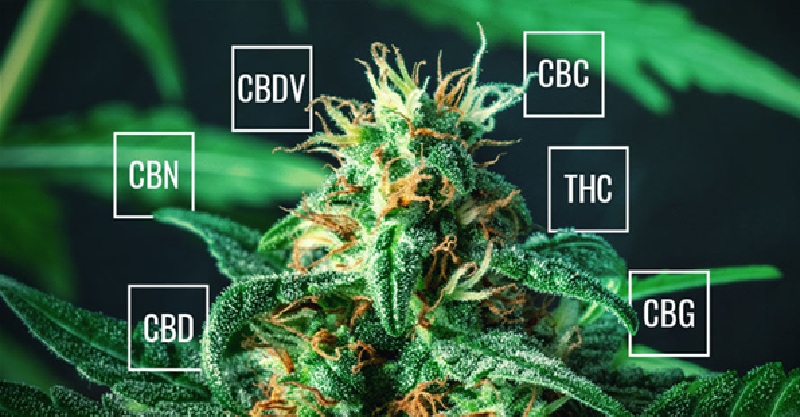
Breaking Down the Basics: What Every Dispensary Label Includes
Most labels follow a similar structure, even if the design looks different from brand to brand. Once you know the key elements, you can scan a product in seconds and get a clear idea of what it offers.
Here’s what to look for:
- Product name and type
This tells you whether it’s flower, an edible, a vape, or a concentrate. - Cannabinoid content
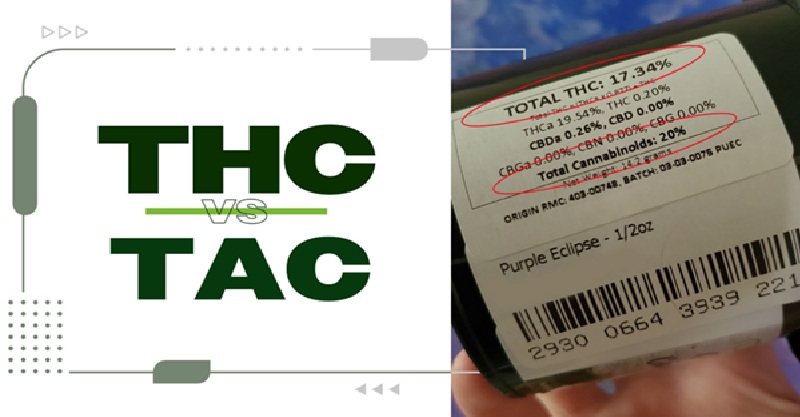
Usually shown as THC and CBD levels. These may appear as percentages or in milligrams, depending on the product. - TAC (Total Active Cannabinoids)
This is where things go a bit deeper. TAC represents the total amount of active cannabinoids in the product. It’s the reason terms like tac marijuana are becoming more common, and why people often ask what does tac mean in weed — it gives a broader sense of overall potency. - Batch number and lab testing details
These indicate that the product has been tested and can be traced if needed. - Packaging or expiration date
Freshness matters more than many people realize, especially for certain product types.
A good label doesn’t just list information — it organizes it in a way that helps you make a decision quickly. Once you get used to it, you won’t need to read every word. You’ll know exactly where to look.
THC, CBD, and TAC Explained (Without the Confusion)
This is usually the point where people pause and start second-guessing themselves. Numbers like 18%, 25%, or 10 mg can seem confusing until you understand what they actually represent.
THC is the compound most people associate with cannabis. It’s responsible for the psychoactive effects — the “high.” Higher THC levels usually mean stronger effects, but that doesn’t always translate to a better experience.
CBD works differently. It doesn’t produce a high and is often linked to a more balanced or calming effect. Some people prefer products that include both THC and CBD because of how they interact.
Then there’s TAC. Instead of focusing on a single compound, it reflects the total amount of active cannabinoids. That’s why discussions around tac marijuana are becoming more relevant — it gives a more complete picture of what’s inside.
Here’s a simple way to compare them:
| Component | What It Means | Typical Effect | Why It’s Useful |
| THC | Psychoactive compound | Stronger, noticeable high | Helps estimate intensity |
| CBD | Non-intoxicating compound | Calm, balanced feeling | Can influence overall experience |
| TAC | Total cannabinoids | Combined effect profile | Useful for comparing products |
The main takeaway is that focusing only on THC can be misleading. A product with a slightly lower THC level but higher TAC may offer a more rounded and predictable experience.
How to Read Edible Labels Without Overdoing It
Edibles are where label reading becomes especially important. Unlike other forms of cannabis, the effects don’t happen right away — and that’s where most mistakes come from.
Understanding how to read edible labels starts with paying attention to dosage. What you see on the package isn’t always what you consume in one sitting.
Here are the key things to check:
- Serving size
A single package often contains multiple servings, even if it doesn’t look like it. - Milligrams per serving
This is the actual dose you’re taking, not the total amount in the product. - Total THC in the package
Helps you understand how strong the entire product is. - Timing of effects
Edibles can take anywhere from 30 minutes to two hours to kick in.
Some of the most common mistakes include:
- Eating the whole product instead of one serving
- Taking more because effects don’t appear immediately
- Misunderstanding the difference between milligrams and percentages
- Underestimating how long the effects can last
Once you slow down and read these details carefully, edibles become much easier to manage. Instead of guessing, you’re making a deliberate choice — and that’s what makes the experience more predictable and enjoyable.
Lab Testing, Terpenes, and Safety Information
Once you get comfortable with THC and dosage, there’s another layer on the label that many people skip — and that’s exactly the part you shouldn’t ignore. This is where safety actually shows up.
Legal cannabis products go through independent lab testing. Not by the brand itself, but by third-party labs that check for things you definitely don’t want in your system: pesticides, mold, heavy metals, and leftover solvents. Sometimes this information is printed directly on the package, but more often you’ll see a QR code. Scan it, and you can access the full report. If that option is there, it usually means the brand is transparent about what they’re selling. If there’s no testing information at all, that’s already a reason to pause.
Then there are terpenes. They tend to get overlooked because the names sound technical, but the idea is actually simple. Terpenes are responsible for how cannabis smells — citrusy, earthy, pine-like — and they also influence how the experience feels. You don’t need to memorize every terpene, but it helps to know they play a role.
There’s a well-known concept called the entourage effect, which basically means cannabis works as a combination of compounds, not just THC alone. As Dr. Ethan Russo, a neurologist and cannabis researcher, explained in an interview with Project CBD: “Cannabis isn’t just about THC and CBD. The combination of cannabinoids and terpenes works together to create the overall effect.” That’s why two products with similar THC levels can feel surprisingly different.
Decoding Numbers Like a Pro: Percentages, Milligrams, and Serving Sizes
The numbers on cannabis labels can look intimidating at first, but they’re actually pretty straightforward once you stop trying to compare everything at once. The key is understanding what unit you’re looking at.
For example, flower is usually labeled in percentages. If something says 20% THC, that means 20% of its weight is THC. Edibles work differently — they’re measured in milligrams, which reflect the actual dose per serving. Concentrates can show both, depending on the product.
Where people get confused is trying to compare percentages and milligrams directly. Without context, that doesn’t really work. Instead, it’s better to focus on what you’re actually going to consume and how much of it.
Before buying, it helps to run through a simple mental checklist: check the THC and CBD levels based on your tolerance, look at TAC to understand the overall profile, confirm the serving size (especially with edibles), and make sure the product has been tested. Once you get used to this, you won’t need to “analyze” labels anymore — you’ll just scan them in seconds.
Common Labeling Myths and Misconceptions
There are a few persistent myths that make cannabis labels seem more confusing than they really are. One of the most common is the idea that higher THC automatically means a better product. In reality, it only means stronger psychoactive effects — not necessarily a better or more enjoyable experience.
Another misunderstanding is that TAC and THC are the same thing. They’re not. THC is just one cannabinoid, while TAC reflects the total amount of active cannabinoids. That’s why conversations around tac marijuana have become more common — people are starting to look at the full picture instead of focusing on a single number.
Some people also assume that labeling is identical everywhere, but that’s not the case. Regulations vary depending on the region, so the format and level of detail can differ. The core information is usually there, but it might be presented in slightly different ways.
And finally, there’s the belief that two products with the same THC percentage will feel the same. In practice, that rarely happens. Terpenes, minor cannabinoids, and individual tolerance all influence the final experience. The label gives you a strong clue — but not a guarantee.
Final Thoughts: Becoming a Smarter Cannabis Consumer
At some point, everything starts to click. You stop overthinking the numbers and just understand what you’re looking at. That’s really the goal here.
You don’t need to memorize every detail on the label. Focus on the essentials: potency, dosage, testing, and overall composition. Over time, you’ll naturally figure out what works for you and what doesn’t.
Learning how to read dispensary labels isn’t about becoming an expert. It’s about avoiding bad experiences and making choices you actually feel confident about. And once you get there, the whole process becomes much simpler.
FAQ: Understanding Dispensary Labels
- What does TAC mean in weed and why is it important?
TAC stands for Total Active Cannabinoids. It represents the combined amount of all cannabinoids in a product, not just THC or CBD. This matters because cannabis effects depend on how these compounds work together, not on a single ingredient alone. - How accurate are dispensary labels?
In regulated markets, labels are generally reliable because products must pass third-party lab testing. However, slight variations between batches can still occur, so checking lab reports when available is always a good idea. - What’s the difference between THC percentage and milligrams?
THC percentage is typically used for flower and indicates potency relative to weight. Milligrams are used for edibles and show the actual dose per serving. They measure different things and shouldn’t be directly compared without context. - How do I know the right edible dosage for me?
It depends on your tolerance and experience level. Beginners usually start with a low dose, around 5–10 mg of THC, and wait at least one to two hours before taking more. Reading the label carefully helps prevent overconsumption. - Are labeling rules the same everywhere?
No, they vary depending on the region. Most places require basic information like THC content and lab testing, but the format and level of detail can differ slightly. - Can I trust lab testing information on the label?
If the product comes from a licensed dispensary, lab testing information is usually trustworthy. Many brands include QR codes so you can verify results directly from the testing lab. - Why do two products with similar THC levels feel different?
Because THC is only one part of the equation. Terpenes and other cannabinoids influence how a product feels, which is why similar THC numbers don’t always lead to the same experience.